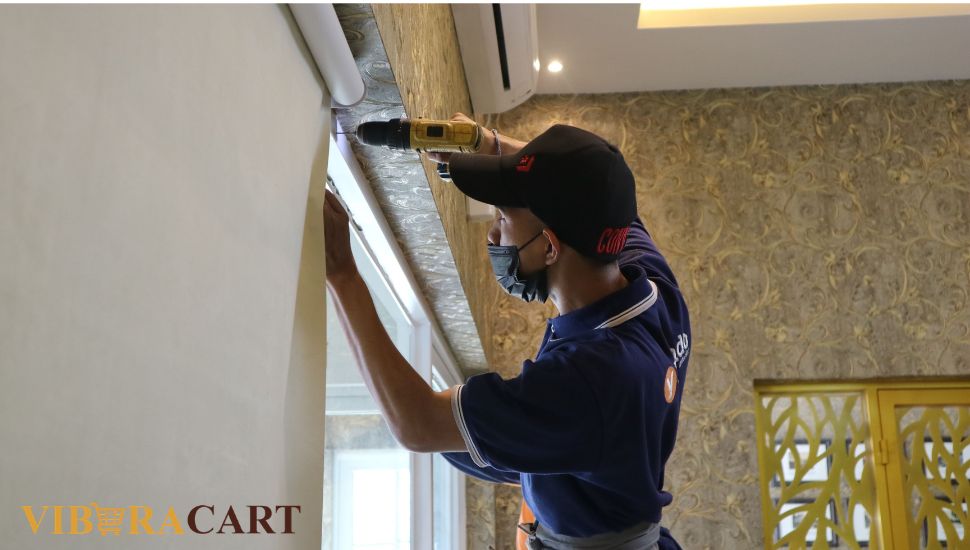
Build a Safer, Healthier, and More Valuable Home with Preventive Maintenance
Your home is more than just a place to live it’s one of your biggest financial investments and the foundation of your family’s comfort and security. Like any valuable asset, a home requires regular care to remain safe, efficient, and structurally sound. Unfortunately, many homeowners wait until something breaks before taking action, often leading to expensive repairs that could have been prevented.
Following a home maintenance checklist every family should follow helps identify small issues before they become major problems. Routine inspections and preventive maintenance improve energy efficiency, protect your property’s value, reduce unexpected repair costs, and extend the lifespan of essential systems such as your HVAC, plumbing, electrical system, roof, and water heater.
Today’s homeowners can also simplify maintenance with modern technologies like Artificial Intelligence (AI), the Internet of Things (IoT), Google Nest, Amazon Alexa, Apple HomeKit, and Samsung SmartThings, making home management more proactive and efficient than ever before.
Whether you’re a first-time homeowner or have owned your property for years, this comprehensive guide will help you create a practical maintenance routine that keeps your home in excellent condition throughout the year.

Why Home Maintenance Matters
Many costly home repairs begin as small, unnoticed problems. A clogged gutter, a dirty air filter, a slow plumbing leak, or minor cracks in the foundation may seem insignificant today, but they can quickly develop into major structural or mechanical issues if ignored.
Preventive maintenance offers several long-term benefits:
- Reduces expensive emergency repairs
- Improves home safety
- Increases property value
- Enhances energy efficiency
- Extends the life of appliances and home systems
- Improves indoor air quality
- Prevents water damage and mold growth
- Helps maintain home insurance compliance
Regular maintenance also contributes to better home inspections, making your property more attractive to potential buyers if you decide to sell in the future.
Benefits of Following a Home Maintenance Checklist
Creating a structured maintenance schedule provides peace of mind while helping families avoid unnecessary stress and financial surprises.
Save Money on Repairs
Replacing a worn HVAC filter or sealing small window gaps costs far less than repairing a damaged heating system or water-damaged walls.
Improve Energy Efficiency
Cleaning HVAC components, installing LED lighting, checking insulation, and maintaining Energy Star appliances reduce monthly utility bills while supporting sustainable living.
Protect Your Family
Regularly testing smoke detectors, carbon monoxide detectors, and inspecting your electrical system helps keep your family safe from potential hazards.
Preserve Property Value
Well-maintained homes retain higher market value, improve curb appeal, and require fewer major renovations over time.
Monthly Home Maintenance Checklist
Monthly maintenance tasks are simple but highly effective. Completing these routine inspections helps prevent larger issues from developing.
1. Inspect HVAC Air Filters
Your HVAC system works hard throughout the year. Dirty air filters reduce airflow, decrease efficiency, and increase energy consumption.
Monthly Tasks:
- Inspect HVAC filters
- Replace dirty filters
- Clean air vents
- Remove dust around vents
This simple task improves indoor air quality while reducing strain on your heating and cooling equipment.
2. Test Smoke and Carbon Monoxide Detectors
Safety should always be a priority.
Each month:
- Test every smoke detector
- Check carbon monoxide detectors
- Replace batteries if necessary
- Inspect emergency alarms
Reliable detectors provide early warnings that can save lives.
3. Check for Plumbing Leaks
Small leaks often go unnoticed until they cause serious damage.
Inspect:
- Kitchen faucets
- Bathroom sinks
- Toilets
- Shower fixtures
- Under-sink pipes
- Washing machine connections
Installing a Smart Leak Detector connected through Google Nest or Samsung SmartThings can provide instant alerts if water leaks are detected.
4. Inspect Electrical Components
Electrical problems should never be ignored.
Look for:
- Loose outlets
- Damaged cords
- Flickering lights
- Warm switches
- Frequently tripping circuit breakers
If you notice unusual electrical behavior, contact a licensed electrician rather than attempting complex repairs yourself.
5. Clean Kitchen Appliances
Kitchen appliances perform more efficiently when properly maintained.
Monthly tasks include:
- Clean refrigerator coils
- Inspect dishwasher filters
- Wipe microwave vents
- Clean oven interiors
- Empty range hood filters
Routine cleaning improves efficiency while extending appliance lifespan.
6. Examine Windows and Doors
Poorly sealed windows and doors waste energy.
Inspect for:
- Air drafts
- Damaged weatherstripping
- Broken locks
- Cracked seals
Replacing worn seals helps reduce heating and cooling costs while improving overall comfort.
7. Monitor Water Heater Performance
A healthy water heater provides reliable hot water while using less energy.
Monthly inspections should include:
- Checking for leaks
- Looking for rust
- Listening for unusual sounds
- Monitoring water temperature
Small issues identified early can prevent costly replacements.
8. Inspect Home Security Devices
Modern security systems offer more than protection they also improve peace of mind.
Check:
- Ring doorbell cameras
- Motion sensors
- Security cameras
- Smart locks
- Alarm systems
Regular testing ensures these systems operate correctly when needed.
9. Maintain Smart Home Devices
If your home includes smart technology, verify that connected devices remain updated.
Review:
- Amazon Alexa routines
- Apple HomeKit automations
- Google Nest settings
- Ecobee thermostat schedules
- TP-Link Kasa smart plugs
Software updates improve security, performance, and compatibility with the latest Matter and Wi-Fi standards.
10. Walk Around Your Property
A quick monthly exterior inspection helps identify visible problems before they worsen.
Look for:
- Loose roofing materials
- Clogged gutters
- Foundation cracks
- Standing water
- Damaged siding
- Tree branches touching the roof
Spending just a few minutes each month inspecting your property can prevent expensive repairs later.
Maintaining your home throughout the year is far easier than dealing with expensive emergency repairs. Every season presents unique challenges, from heavy spring rains and summer heat to falling leaves and freezing winter temperatures. A seasonal maintenance routine protects your investment, improves your home’s energy efficiency, and extends the lifespan of essential systems.
By combining preventive maintenance with modern Smart Home Automation, Artificial Intelligence (AI), and Internet of Things (IoT) devices, homeowners can detect issues earlier and reduce maintenance costs.
Spring Home Maintenance Checklist
Spring is the perfect season to inspect your home after months of cold weather. Snow, rain, and freezing temperatures can affect your roof, gutters, and exterior surfaces.
Inspect Your Roof
Winter storms may damage roofing materials without obvious signs.
Check for:
- Missing shingles
- Damaged flashing
- Roof leaks
- Loose vents
- Moss or algae growth
Early repairs help prevent costly water damage.
Clean Gutters and Downspouts
Blocked gutters prevent proper drainage and can lead to foundation problems.
Remove:
- Leaves
- Dirt
- Twigs
- Debris
Ensure water flows several feet away from your foundation.
Inspect Your Foundation
Walk around your property and look for:
- Cracks
- Uneven settling
- Water pooling
- Soil erosion
Small foundation issues are much easier and less expensive to repair than major structural damage.
Service Your HVAC System
Before summer arrives, schedule professional HVAC maintenance.
Tasks include:
- Cleaning coils
- Inspecting refrigerant levels
- Testing airflow
- Replacing air filters
- Checking thermostat calibration
A properly maintained system consumes less energy and lasts longer.
Summer Home Maintenance Checklist
Summer is ideal for exterior repairs and energy-saving improvements.
Inspect Windows and Doors
Heat enters through damaged seals.
Check:
- Weatherstripping
- Window caulking
- Door seals
- Screen damage
Proper sealing helps reduce cooling costs.
Maintain Landscaping
Trim trees and shrubs away from:
- Roofs
- Gutters
- Windows
- Power lines
Healthy landscaping improves curb appeal while reducing storm-related damage.
Inspect Outdoor Plumbing
Check:
- Garden hoses
- Outdoor faucets
- Irrigation systems
- Sprinklers
Installing a Smart Irrigation System helps conserve water while maintaining a healthy lawn.
Pressure Wash Exterior Surfaces
Clean:
- Driveways
- Decks
- Patios
- Siding
- Walkways
Removing dirt and mold improves your home’s appearance and prevents long-term surface damage.
Fall Home Maintenance Checklist
Fall is the season to prepare your home for colder temperatures.
Inspect the Heating System
Before winter begins:
- Test the furnace
- Replace filters
- Clean vents
- Inspect ductwork
A serviced heating system provides reliable comfort throughout winter.
Clean Chimneys
If your home has a fireplace:
- Remove soot buildup
- Inspect chimney liners
- Check dampers
- Schedule professional cleaning if necessary
This reduces fire hazards and improves efficiency.
Seal Air Leaks
Small gaps around windows and doors increase heating costs.
Seal:
- Window frames
- Door frames
- Utility openings
Better insulation improves indoor comfort while lowering energy bills.
Test Safety Equipment
Fall is an excellent reminder to inspect:
- Smoke Detectors
- Carbon Monoxide Detectors
- Fire Extinguisher
- Emergency lighting
Safety devices should always remain operational.
Winter Home Maintenance Checklist
Cold temperatures place additional stress on your home’s systems.
Protect Plumbing
Frozen pipes can burst unexpectedly.
Prevent freezing by:
- Insulating exposed pipes
- Keeping cabinets open near plumbing
- Allowing faucets to drip during severe freezes
A Smart Leak Detector can immediately notify homeowners of water leaks before significant damage occurs.
Check Attic Insulation
Proper Insulation keeps warm air inside while lowering heating expenses.
Inspect:
- Insulation thickness
- Moisture
- Air leaks
Improved insulation also prevents ice dams on roofs.
Monitor Your Water Heater
Cold weather increases hot water demand.
Inspect your Water Heater for:
- Rust
- Leaks
- Unusual sounds
- Temperature settings
Routine maintenance extends equipment life.
Remove Snow and Ice
If applicable:
- Clear walkways
- Remove roof snow accumulation
- Protect gutters from ice buildup
Preventing excessive snow loads reduces structural stress.
Essential Interior Home Maintenance
Keeping your home’s interior in excellent condition is just as important as maintaining the exterior. Routine indoor maintenance helps prevent costly repairs, improves energy efficiency, and creates a healthier living environment for your family.
Include these essential interior maintenance tasks in your regular home care routine:
- Inspect ceilings and walls for water stains or hidden leaks.
- Clean bathroom exhaust fans to improve ventilation and reduce moisture.
- Check under sinks for plumbing leaks or signs of mold.
- Test GFCI outlets to ensure electrical safety.
- Vacuum refrigerator condenser coils to improve energy efficiency.
- Clean dryer vents to reduce fire hazards and maintain performance.
- Inspect washing machine hoses for cracks, bulges, or leaks.
- Organize utility and storage areas for easier maintenance access.
- Dust and clean HVAC vents to improve indoor air quality.
- Monitor indoor humidity levels to help prevent mold and mildew growth.
Staying on top of these simple maintenance tasks can extend the lifespan of your appliances, reduce energy costs, and help you avoid unexpected home repairs.
Essential Exterior Home Maintenance
Your home’s exterior is constantly exposed to changing weather conditions, making regular inspections essential for protecting its structural integrity and curb appeal. Preventive maintenance also helps preserve your property’s long-term value.
Pay close attention to these key exterior components:
- Inspect the roof for damaged or missing shingles.
- Clean gutters and downspouts to ensure proper drainage.
- Examine siding for cracks, warping, or moisture damage.
- Check the foundation for visible cracks or settling.
- Inspect windows and doors for drafts and worn weather seals.
- Maintain decks and patios by checking for loose boards and structural damage.
- Repair fences to keep them secure and visually appealing.
- Test and lubricate the garage door for smooth operation.
- Inspect driveways and walkways for cracks or uneven surfaces.
- Trim nearby trees and shrubs to prevent damage to the roof and siding.
Consistent exterior maintenance improves your home’s safety, enhances curb appeal, prevents expensive structural issues, and protects your property’s overall value for years to come.
Smart Home Technology Makes Maintenance Easier
Modern technology has transformed home maintenance from reactive to proactive.
Devices such as Google Nest, Amazon Alexa, Apple HomeKit, Samsung SmartThings, and Ecobee allow homeowners to monitor important systems remotely.
Helpful smart devices include:
- Smart Thermostat
- Smart Leak Detector
- Smart Lighting
- Home Energy Monitor
- Motion Sensors
- Smart Security Cameras
- Ring Video Doorbell
These devices use Artificial Intelligence (AI) and the Internet of Things (IoT) to identify unusual activity, optimize energy usage, and notify homeowners before minor issues become major repairs.
Many smart home products also support Matter, Zigbee, and Wi-Fi, allowing seamless integration across multiple devices.
Common Home Maintenance Mistakes Every Family Should Avoid
Even diligent homeowners can overlook simple maintenance tasks that lead to expensive repairs. Avoid these common mistakes:
- Ignoring small roof leaks
- Forgetting to replace HVAC air filters
- Skipping annual Home Inspection
- Neglecting gutter cleaning
- Ignoring plumbing leaks
- Blocking ventilation around appliances
- Failing to test smoke and carbon monoxide detectors
- Delaying electrical repairs
- Overlooking foundation cracks
- Ignoring software updates for smart home devices
Consistent maintenance and early problem detection are the keys to protecting your home, improving energy efficiency, and avoiding unnecessary expenses.
Home Maintenance Budget Tips, AI-Powered Home Care & FAQs
A well-maintained home doesn’t require spending thousands of dollars every year. The key is to create a realistic maintenance budget, perform routine inspections, and use modern technology to identify problems before they become costly repairs. With a proactive approach, families can reduce unexpected expenses while preserving the comfort, safety, and long-term value of their property.
Create a Home Maintenance Budget
One of the biggest mistakes homeowners make is waiting until something breaks before setting aside money for repairs. A dedicated maintenance budget helps you stay prepared for both routine upkeep and unexpected issues.
Experts generally recommend setting aside 1% to 3% of your home’s value annually for maintenance and minor repairs. Older homes or properties in areas with extreme weather may require a slightly higher budget.
Your annual maintenance budget should cover:
- HVAC servicing
- Roof inspections
- Plumbing maintenance
- Electrical system checks
- Gutter cleaning
- Exterior painting
- Landscaping
- Appliance servicing
- Home safety equipment
- Emergency repairs
Planning ahead reduces financial stress and helps you avoid costly emergency service calls.
Use AI and Smart Technology for Predictive Home Maintenance
Modern homeowners are increasingly relying on Artificial Intelligence (AI) and Predictive Maintenance to simplify home care. Instead of discovering problems after damage occurs, AI-powered devices continuously monitor your home’s systems and alert you to potential issues before they become expensive repairs.
For example, a Google Nest Smart Thermostat can optimize heating and cooling schedules based on your daily routine, while Ecobee systems use occupancy sensors to improve energy efficiency. A Ring Video Doorbell enhances home security by providing real-time alerts, and a Smart Leak Detector connected through Samsung SmartThings can immediately notify you of water leaks before they cause serious damage.
These smart technologies rely on the Internet of Things (IoT), enabling devices to communicate with one another through Wi-Fi, Matter, or Zigbee standards. The result is a connected home that is more efficient, secure, and easier to manage.
Improve Energy Efficiency While Lowering Utility Bills
Energy-efficient maintenance not only benefits the environment but also helps reduce monthly household expenses. Simple upgrades and regular maintenance can significantly improve your home’s overall performance.
Consider these energy-saving practices:
- Replace traditional bulbs with Energy Star certified LED Lighting
- Install a Smart Thermostat to optimize heating and cooling
- Seal gaps around windows and doors
- Upgrade attic and wall Insulation
- Schedule annual HVAC maintenance
- Install Solar Panels if practical
- Monitor electricity usage with a Home Energy Monitor
- Repair plumbing leaks promptly to reduce water waste
These improvements lower utility bills while supporting a more sustainable lifestyle.
Build a Year-Round Home Maintenance Calendar
Consistency is the foundation of successful home maintenance. Rather than waiting for problems to appear, create a yearly schedule that outlines tasks for each season.
Every Month
- Inspect HVAC filters
- Test Smoke Detectors
- Test Carbon Monoxide Detectors
- Check plumbing for leaks
- Inspect the Water Heater
- Clean kitchen appliances
- Review smart home device notifications
Every Season
- Inspect the Roof
- Clean Gutters
- Examine the Foundation
- Service HVAC equipment
- Check Windows and Doors
- Maintain landscaping
- Inspect exterior drainage
Once Per Year
- Schedule a professional Home Inspection
- Flush the Water Heater
- Inspect the Electrical System
- Clean the Chimney
- Service major appliances
- Review Home Insurance coverage
- Check emergency preparedness supplies
Following a structured maintenance calendar helps prevent costly repairs while protecting your home’s long-term value.
Why Preventive Maintenance Increases Property Value
A well-maintained home is more attractive to buyers and often commands a higher selling price. Regular maintenance demonstrates that the property has been properly cared for and reduces concerns during a Building Inspection.
Preventive maintenance contributes to:
- Higher Property Value
- Better Curb Appeal
- Lower repair costs
- Improved energy efficiency
- Longer equipment lifespan
- Greater buyer confidence
- Enhanced family safety
Whether you plan to sell your home or stay for many years, investing in routine maintenance offers long-term financial benefits.
Final Thoughts
Your home is one of your most valuable investments, and protecting it begins with consistent care. By following a comprehensive Home Maintenance Checklist Every Family Should Follow, you can prevent expensive repairs, improve safety, reduce energy costs, and preserve your property’s value.
Combining traditional preventive maintenance with modern innovations such as Artificial Intelligence (AI), Internet of Things (IoT) devices, Google Nest, Amazon Alexa, Apple HomeKit, and Samsung SmartThings creates a smarter, more efficient home that requires less reactive maintenance.
Remember, successful homeownership isn’t about fixing problems after they happen it’s about preventing them before they occur. A proactive maintenance routine will save money, reduce stress, and provide your family with a safer, healthier, and more comfortable home for years to come.
Frequently Asked Questions (FAQs)
1. Why is a home maintenance checklist important ?
A home maintenance checklist helps homeowners stay organized, prevent costly repairs, improve safety, increase energy efficiency, and maintain the long-term value of their property.
2. How often should I inspect my home ?
Basic inspections should be performed monthly, while seasonal maintenance should be completed every spring, summer, fall, and winter. A professional home inspection is recommended at least once a year.
3. What home maintenance tasks should never be skipped ?
Essential tasks include servicing your HVAC system, cleaning gutters, checking the roof, inspecting plumbing, testing Smoke Detectors and Carbon Monoxide Detectors, replacing air filters, and inspecting the electrical system.
4. How can smart home technology simplify home maintenance ?
Smart devices such as Google Nest, Ecobee, Ring, and Samsung SmartThings use AI and IoT technology to monitor home systems, detect leaks, optimize energy usage, and provide real-time alerts for potential issues.
5. How much should homeowners budget for annual maintenance ?
A common guideline is to set aside 1% to 3% of your home’s value each year for routine maintenance, inspections, and minor repairs.