Best Aquarium Plants for a Healthy and Beautiful Fish Tank
A well-planted aquarium is much more than a decorative centerpiece. Live aquatic plants create a thriving underwater ecosystem that benefits both fish and aquarium owners. Whether you are setting up your very first freshwater aquarium or upgrading an existing aquascape, selecting the best aquarium plants for a healthy and beautiful fish tank is one of the smartest investments you can make.
Unlike artificial decorations, live plants naturally improve water quality, provide shelter for fish, reduce algae growth, and produce oxygen that supports aquatic life. They also transform an ordinary aquarium into a vibrant underwater landscape that closely resembles natural river and lake environments.
As aquascaping continues to gain popularity worldwide, hobbyists are choosing live aquarium plants to create healthier ecosystems while enhancing the beauty of their fish tanks.
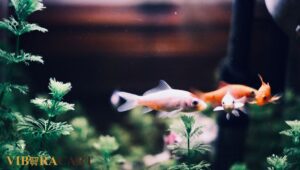
Why Live Aquarium Plants Matter
Healthy aquarium plants do far more than improve aesthetics.
They actively contribute to maintaining biological balance inside your aquarium.
Plants absorb excess nutrients, stabilize water chemistry, and create hiding places that reduce stress among tropical fish.
When combined with proper filtration and the Nitrogen Cycle, live plants help maintain excellent water conditions for species such as:
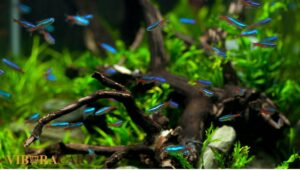
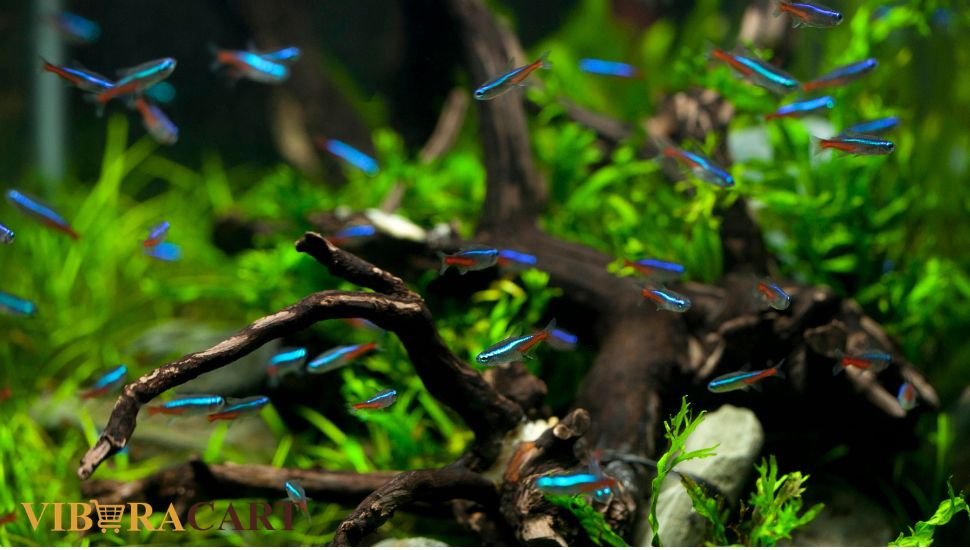
- Neon Tetras
- Guppies
- Betta Fish
- Angelfish
- Corydoras
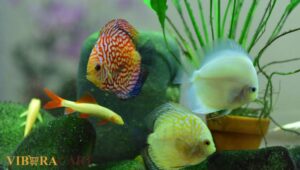
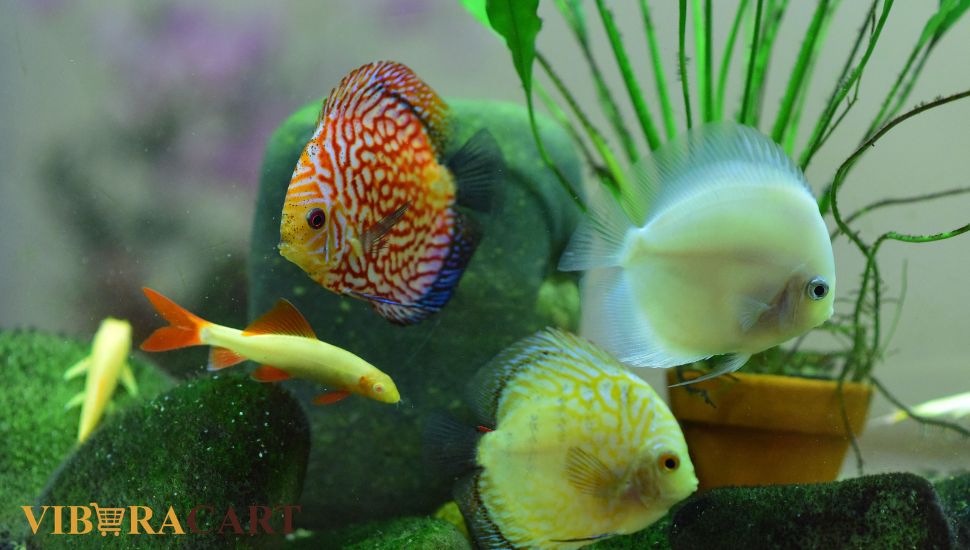
- Discus
- Shrimp
- Snails
For beginner aquarists, adding plants is one of the easiest ways to establish a naturally balanced freshwater aquarium.
Benefits of Live Aquarium Plants
Improve Water Quality
One of the biggest advantages of aquarium plants is their ability to naturally filter water.
Plants consume nitrates, phosphates, and other waste products that accumulate from fish food and organic debris.
This process helps reduce harmful compounds while supporting beneficial bacteria responsible for biological filtration.
Cleaner water means healthier fish.
Produce Oxygen Naturally
During photosynthesis, aquatic plants release oxygen into the water.
This improves dissolved oxygen levels, especially during daylight hours.
Healthy oxygen levels are essential for:
- Fish respiration
- Shrimp
- Snails
- Beneficial microorganisms
A well-planted aquarium often supports more stable aquatic conditions than tanks filled only with decorations.
Reduce Algae Growth
Algae thrive when excess nutrients remain unused.
Fast-growing plants compete with algae by consuming available nutrients.
Popular algae-fighting plants include:
- Hornwort
- Water Wisteria
- Duckweed
These plants naturally limit algae without relying heavily on chemical treatments.
Reduce Fish Stress
Fish instinctively seek shelter.
Plants provide:
- Hiding spaces
- Breeding areas
- Resting zones
- Protection for fry
Species like Betta Fish particularly enjoy resting among broad-leaf plants such as Anubias and Amazon Sword.
Lower stress often results in brighter coloration and healthier fish behavior.
Enhance Aquarium Beauty
Beautiful planted aquariums create living works of art.
Modern Aquascaping combines rocks, driftwood, aquatic plants, and lighting to design stunning underwater landscapes.
Many hobbyists now treat planted aquariums as decorative centerpieces for homes and offices.
Best Aquarium Plants for Beginners
If you’re new to planted aquariums, start with hardy species that require minimal maintenance.
1. Anubias
One of the easiest aquarium plants to maintain.
Benefits include:
- Slow growing
- Low-light tolerant
- No CO₂ required
- Excellent for driftwood
- Ideal for beginner tanks
Anubias thrives in almost every freshwater aquarium and works beautifully in low-maintenance setups.
2. Java Fern
Another beginner favorite.
Java Fern grows attached to rocks and driftwood instead of being buried in substrate.
Advantages include:
- Extremely hardy
- Low maintenance
- Low light requirements
- Suitable for community tanks
- Resistant to most fish species
It is one of the most recommended aquatic plants worldwide.
3. Amazon Sword
The Amazon Sword is famous for its large green leaves.
It serves as an excellent centerpiece in medium to large aquariums.
Benefits include:
- Fast growth
- Attractive appearance
- Excellent fish shelter
- Beginner friendly
With nutrient-rich substrate and products like Seachem Flourish, Amazon Sword can grow into a stunning focal point.
4. Java Moss
Java Moss remains one of the most versatile aquarium plants available.
It is ideal for:
- Shrimp tanks
- Breeding tanks
- Nano aquariums
- Aquascaping projects
Fish fry often hide inside its dense growth for protection.
5. Vallisneria
Known for its long ribbon-like leaves, Vallisneria creates a beautiful background in planted aquariums.
Its advantages include:
- Rapid growth
- Natural appearance
- Easy maintenance
- Excellent oxygen production
Many aquascapers use Vallisneria to create the appearance of underwater grasslands.
Choosing Aquarium Plants Based on Tank Zones
Professional aquascaping divides plants into three categories.
Foreground Plants
These remain short and cover the front area.
Examples include:
- Dwarf Hairgrass
- Monte Carlo
- Marimo Moss Ball
Midground Plants
Midground plants connect foreground and background.
Popular choices include:
- Anubias Nana
- Cryptocoryne
- Java Fern
Background Plants
Tall plants create depth and natural scenery.
Common background plants include:
- Amazon Sword
- Vallisneria
- Hornwort
- Water Wisteria
Layering these plants correctly produces a visually balanced freshwater aquarium.
Low-Light Aquarium Plants
Not every aquarium requires expensive lighting systems.
Many plants thrive under standard Aquarium LED Lighting, making them ideal for beginners.
Some of the best low-light choices include:
- Anubias
- Java Fern
- Java Moss
- Cryptocoryne
- Marimo Moss Ball
These plants require minimal care while still creating lush underwater landscapes.
Best Fast-Growing Aquarium Plants
Fast-growing aquarium plants are excellent for maintaining a healthy freshwater aquarium because they absorb excess nutrients quickly, helping reduce algae while improving water quality. They are especially beneficial for newly established tanks where the biological system is still developing.
Water Wisteria
Water Wisteria is one of the most popular choices among aquascaping enthusiasts. Its bright green foliage grows rapidly, making it ideal for controlling nitrate levels and creating a lush underwater environment. It adapts well to different lighting conditions and requires minimal maintenance.
Hornwort
Hornwort is a floating or rooted aquatic plant known for its exceptional growth rate. It naturally oxygenates the water, provides shelter for fish fry, and competes effectively with algae for nutrients. This hardy plant is an excellent choice for beginners and experienced aquarists alike.
Duckweed
Although small in size, Duckweed grows rapidly across the water surface. It helps reduce excess light penetration, limits algae growth, and absorbs nutrients efficiently. Regular maintenance is recommended to prevent it from covering the entire aquarium surface.
How to Choose the Right Aquarium Plants
Selecting the right aquarium plants depends on several important factors.
Aquarium Size
Larger aquariums can accommodate taller plants like Amazon Sword and Vallisneria, while nano tanks are better suited for compact species such as Anubias Nana, Java Moss, and Cryptocoryne.
Lighting Requirements
Lighting directly influences plant growth.
- Low-light tanks: Anubias, Java Fern, Java Moss, Cryptocoryne
- Medium-light tanks: Amazon Sword, Water Wisteria
- High-light tanks: Carpet plants like Monte Carlo and Dwarf Hairgrass
Using quality Aquarium LED Lighting promotes healthy growth and vibrant colors.
Fish Compatibility
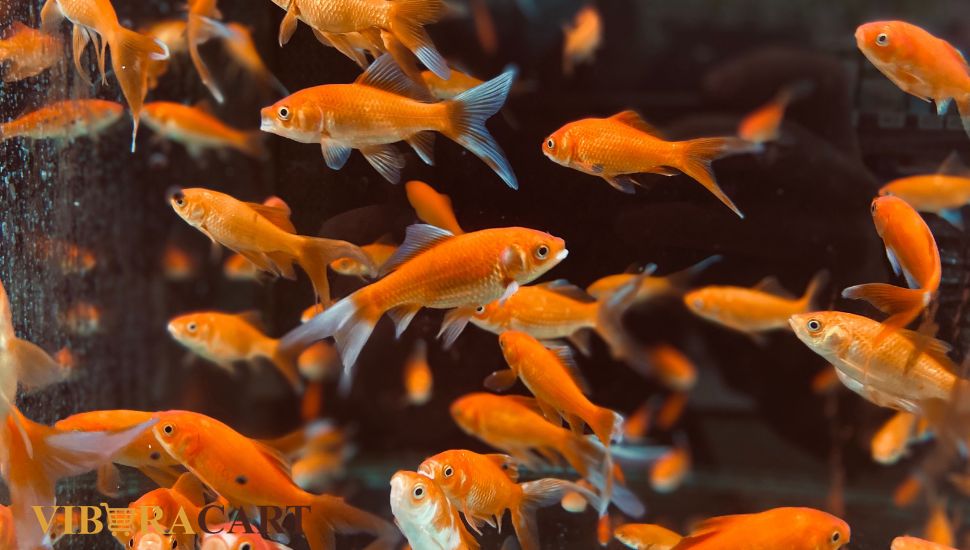
Some fish species may damage delicate plants. If you keep Goldfish or large Cichlids, choose hardy species that can withstand grazing. Community fish such as Neon Tetras, Guppies, Angelfish, and Corydoras thrive in planted aquariums with minimal plant damage.
CO₂ Injection vs. Low-Tech Planted Aquariums
Many beginners wonder whether they need a CO₂ Injection system.
The answer depends on the types of plants you intend to grow.
Low-Tech Aquarium
A low-tech aquarium requires:
- Standard LED lighting
- Nutrient-rich substrate
- Liquid fertilizer
- No additional CO₂
Plants such as Anubias, Java Fern, Java Moss, and Cryptocoryne flourish in these conditions.
High-Tech Aquarium
High-tech planted tanks feature:
- Pressurized CO₂ systems
- High-intensity lighting
- Premium fertilizers
- Advanced aquascaping designs
These setups support faster growth and more demanding plant species while producing stunning underwater landscapes.
Aquarium Plant Care Tips
Proper maintenance is essential for long-term success.
Use Nutrient-Rich Substrate
Healthy roots begin with quality substrate. Nutrient-rich substrates encourage stronger root systems and sustained plant growth.
Apply Quality Fertilizers
Products such as Seachem Flourish supply essential nutrients, while root tabs benefit heavy root feeders like Amazon Sword.
Maintain Consistent Lighting
Provide 6–8 hours of LED lighting daily. Excessive lighting can encourage algae growth, while insufficient lighting may slow plant development.
Perform Regular Water Changes
Replacing 20–30% of the aquarium water weekly removes excess nutrients and helps maintain stable water parameters.
Prune Regularly
Routine trimming promotes healthy growth, improves circulation, and keeps your aquascape looking neat and balanced.
Common Aquarium Plant Mistakes to Avoid
Many beginners encounter challenges due to avoidable mistakes.
- Choosing plants unsuitable for their lighting setup
- Overcrowding the aquarium with too many species
- Ignoring fertilizer requirements
- Keeping aquarium lights on for too long
- Neglecting routine maintenance
- Planting rhizome plants like Anubias and Java Fern directly into the substrate
- Adding fish before completing the Nitrogen Cycle
Avoiding these mistakes helps establish a healthier and more stable planted aquarium.
Expert Aquascaping Tips
Professional aquascaping combines creativity with biological balance.
Consider these best practices:
- Create depth using foreground, midground, and background plants.
- Incorporate natural hardscape materials such as driftwood and stones.
- Leave open swimming areas for fish.
- Combine plants with varying leaf shapes and textures for visual interest.
- Select species with similar care requirements to simplify maintenance.
A thoughtfully designed aquascape not only enhances aesthetics but also supports the well-being of aquatic life.
Why Live Aquarium Plants Are Worth the Investment
Live plants offer far more than visual appeal. They improve water quality, support beneficial bacteria, stabilize the aquarium ecosystem, and create a natural habitat where fish can thrive.
Trusted brands like Fluval, API Aquarium Products, Seachem, and Tropica Aquarium Plants provide reliable lighting, fertilizers, and aquatic plants that help hobbyists build successful planted aquariums.
Whether you’re a beginner or an experienced aquascaper, incorporating live plants into your freshwater aquarium is one of the most effective ways to promote a healthy and beautiful fish tank.
Conclusion
Choosing the best aquarium plants for a healthy and beautiful fish tank is about more than decoration—it’s about creating a balanced aquatic ecosystem. Live plants improve water quality, increase oxygen levels, reduce algae, and provide shelter that keeps fish healthy and stress-free.
From beginner-friendly options like Anubias, Java Fern, and Java Moss to faster-growing species such as Water Wisteria, Hornwort, and Vallisneria, there are plants suited to every aquarium style and experience level.
By combining proper lighting, quality fertilizers, regular maintenance, and thoughtful aquascaping, you can build a vibrant freshwater aquarium that remains beautiful and sustainable for years to come.
Frequently Asked Questions (FAQs)
1. What are the best aquarium plants for beginners ?
Anubias, Java Fern, Java Moss, Amazon Sword, and Cryptocoryne are among the easiest live aquarium plants for beginners.
2. Do aquarium plants improve water quality ?
Yes. Live plants absorb nitrates, release oxygen during photosynthesis, and support beneficial bacteria, helping maintain a healthier freshwater aquarium.
3. Do all aquarium plants require CO₂ injection ?
No. Many popular species, including Anubias, Java Fern, and Java Moss, grow successfully without additional CO₂.
4. How many hours of light do aquarium plants need ?
Most freshwater aquarium plants thrive with 6 to 8 hours of quality LED lighting each day.
5. Which plants help control algae ?
Fast-growing plants such as Hornwort, Water Wisteria, and Duckweed compete with algae for nutrients, reducing algae growth naturally.