Essential DIY Tools Every Homeowner Should Have for Easy Home Maintenance
Owning a home comes with both exciting opportunities and everyday responsibilities. From assembling furniture and hanging shelves to repairing leaky faucets and tightening loose cabinet handles, routine maintenance is part of protecting your investment. While many repairs require professional expertise, countless household tasks can be completed safely and efficiently with the right tools.
Building a well-equipped DIY toolkit isn’t just about convenience it’s about being prepared. The essential DIY tools every homeowner should have can help you tackle common repairs, save money on service calls, and gain confidence in maintaining your home.
Whether you’re a first-time homeowner or looking to upgrade your existing toolkit, investing in quality hand tools, power tools, and safety equipment ensures you’re ready for unexpected repairs and planned home improvement projects.
In this guide, we’ll explore the must-have DIY tools every homeowner should own, how they simplify everyday maintenance, and tips for choosing reliable equipment that lasts for years.
Why Every Homeowner Needs Basic DIY Tools
Every home experiences wear and tear over time. Loose hinges, squeaky doors, dripping faucets, damaged drywall, and loose furniture are common issues that don’t always require hiring a contractor.
Having a basic set of DIY tools allows homeowners to:
- Complete minor repairs quickly.
- Save money on maintenance costs.
- Improve home safety.
- Handle emergency repairs.
- Increase property value through regular upkeep.
- Build practical home improvement skills.
A carefully selected toolkit also reduces downtime when unexpected problems arise, giving you peace of mind and greater independence.
Benefits of Building a Home DIY Tool Kit
Investing in quality tools is a long-term investment in your home. Instead of purchasing tools only when problems occur, having a complete toolkit ensures you’re prepared whenever repairs are needed.
Some key benefits include:
Save Money
Many simple household repairs can be completed without hiring a professional, reducing ongoing maintenance expenses.
Improve Efficiency
With the proper tools readily available, routine repairs become faster and easier.
Enhance Home Safety
Loose railings, unstable furniture, or faulty fixtures can become safety hazards. Prompt repairs help maintain a safe living environment.
Increase Confidence
Learning basic DIY skills empowers homeowners to complete projects independently while developing valuable practical experience.
Protect Your Investment
Regular maintenance extends the lifespan of appliances, fixtures, and structural components, helping preserve your home’s value.
Essential Hand Tools Every Homeowner Should Own
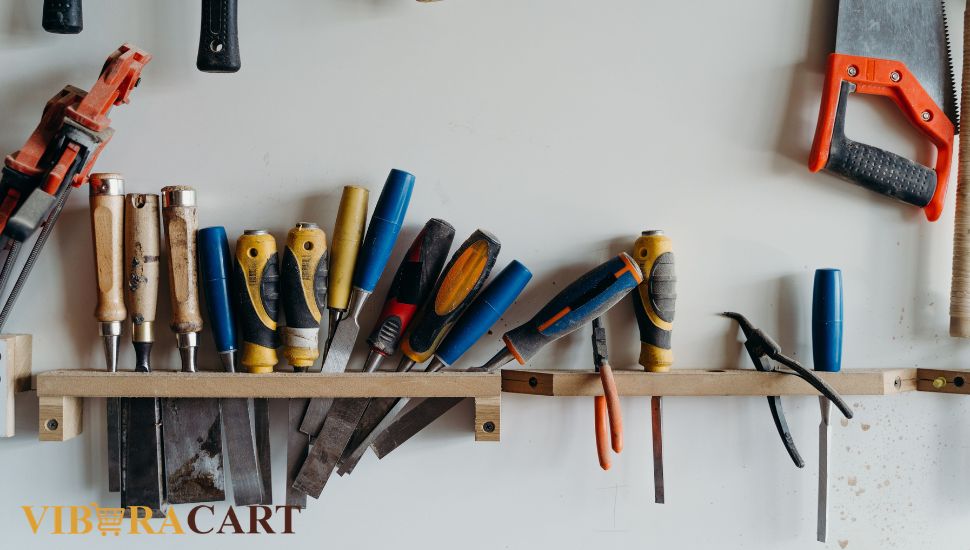
Every toolkit begins with reliable hand tools. These versatile tools are used for hundreds of common household repairs and maintenance tasks.
Claw Hammer
A claw hammer is one of the most versatile tools every homeowner should own. It allows you to:
- Drive nails into wood
- Remove nails
- Assemble furniture
- Hang artwork
- Complete basic carpentry projects
Choose a hammer with a comfortable, non-slip grip and balanced weight for better control.
Screwdriver Set
A reliable screwdriver set is one of the most essential tools every homeowner should own. Whether you’re assembling furniture, tightening loose hardware, or handling simple home repairs, the right screwdriver makes every task faster and easier.
A well-equipped set should include a variety of screwdriver types and sizes to handle different jobs around the house, from everyday maintenance to delicate electronic repairs.
Essential Features
- Phillips-head screwdrivers for common household screws
- Flathead screwdrivers for general repair tasks
- Precision screwdrivers for electronics and small devices
- Multiple handle sizes for improved comfort and control
- Magnetic tips to securely hold screws in hard-to-reach spaces
Investing in a quality screwdriver set ensures you’re always prepared for routine repairs and DIY projects with confidence.
Adjustable Wrench
An adjustable wrench is a versatile hand tool that belongs in every homeowner’s toolbox. Its adjustable jaw allows it to fit various bolt and nut sizes, making it ideal for plumbing work, appliance maintenance, and furniture assembly without requiring multiple wrenches.
This single tool can tackle a wide range of household projects while saving both time and storage space.
Common Uses
- Tighten or loosen bolts and nuts
- Install or repair faucets and plumbing fixtures
- Assemble furniture and household equipment
- Perform basic appliance maintenance
- Complete general home improvement tasks
An adjustable wrench offers flexibility, durability, and convenience, making it an indispensable tool for everyday repairs.
Pliers
Pliers are versatile tools designed to provide a strong grip, increased leverage, and precise control during a variety of repair and maintenance tasks. From electrical work to crafting and general household fixes, they make handling small or stubborn components much easier.
Keeping different types of pliers in your toolkit ensures you’re prepared for a wide range of DIY projects.
Recommended Types of Pliers
- Needle-nose pliers for reaching tight spaces and bending wire
- Slip-joint pliers for gripping objects of different sizes
- Locking pliers for securely holding materials in place
- Combination pliers for cutting, gripping, and twisting tasks
Whether you’re cutting wire, tightening hardware, bending metal, or securing small parts, a quality set of pliers provides the control and strength needed to complete repairs safely and efficiently.
Tape Measure
Accurate measurements are the foundation of every successful DIY project.
A quality tape measure helps with:
- Hanging shelves
- Measuring furniture
- Planning renovations
- Installing cabinets
- Cutting building materials
A 25-foot locking tape measure is suitable for most residential projects.
Utility Knife
A sharp utility knife is invaluable for cutting:
- Cardboard
- Drywall
- Carpet
- Plastic packaging
- Caulking
- Vinyl flooring
Choose a retractable model with replaceable blades for safety and convenience.
Allen Key (Hex Key) Set
Many modern furniture pieces, bicycles, appliances, and fixtures use hex bolts.
A complete Allen key set simplifies:
- Furniture assembly
- Equipment adjustments
- Appliance maintenance
- Home gym installation
Spirit Level
A spirit level ensures everything is perfectly straight during installation.
It’s commonly used for:
- Hanging picture frames
- Installing shelves
- Mounting televisions
- Cabinet installation
- Home decorating projects
For larger renovation projects, a laser level provides even greater accuracy.
Socket Wrench Set
A socket wrench set is ideal for working with nuts and bolts during automotive maintenance, appliance repairs, and household installations.
Having multiple socket sizes ensures compatibility with various fasteners throughout your home.
Safety Equipment You Should Never Skip
DIY projects should always begin with safety. Even simple repairs involve potential hazards such as dust, sharp tools, flying debris, or loud power equipment.
Essential safety gear includes:
- Safety glasses
- Work gloves
- Hearing protection
- Dust mask or respirator
- Knee pads
- Steel-toe work boots (for larger projects)
Using proper protective equipment reduces the risk of injuries while making DIY work more comfortable.
Measuring and Marking Tools
Precision plays a crucial role in successful home repairs.
In addition to a tape measure, homeowners should keep:
- Carpenter’s pencil
- Chalk line
- Combination square
- Speed square
- Stud finder
A stud finder is especially useful for safely mounting shelves, mirrors, televisions, and cabinets by locating wall studs behind drywall.
Essential Power Tools Every Homeowner Should Own
While hand tools are essential for everyday repairs, power tools make home improvement projects faster, more accurate, and less physically demanding. Investing in a few reliable power tools allows homeowners to tackle a wide range of DIY projects with confidence.
Cordless Drill & Driver
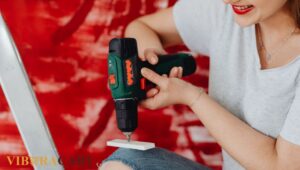
A cordless drill is arguably the most important power tool every homeowner should own. Whether you’re assembling furniture, installing shelves, mounting curtain rods, or drilling holes, a cordless drill offers unmatched versatility.
A quality drill can help you:
- Drill into wood, drywall, and metal
- Drive screws quickly and efficiently
- Assemble furniture
- Install cabinets and shelves
- Complete renovation projects
When purchasing a drill, look for features such as:
- Lithium-ion battery
- Variable speed settings
- Keyless chuck
- Brushless motor
- Ergonomic grip
A cordless drill is suitable for beginners and experienced DIY enthusiasts alike.
Impact Driver
An impact driver complements a cordless drill by providing additional torque for demanding tasks.
It is ideal for:
- Driving long screws
- Deck construction
- Fence installation
- Heavy-duty woodworking
- Structural framing
For homeowners who frequently complete renovation projects, an impact driver significantly reduces effort while improving precision.
Circular Saw
A circular saw enables homeowners to make clean, straight cuts through various materials.
Common applications include:
- Cutting plywood
- Trimming lumber
- Building shelves
- Outdoor decking projects
- Home remodeling
Modern cordless circular saws provide excellent portability while maintaining professional-level performance.
Jigsaw
Unlike circular saws, jigsaws are designed for curved and detailed cuts.
They’re perfect for:
- Decorative woodworking
- Cutting countertops
- Flooring installation
- DIY furniture projects
- Custom shelving
Its versatility makes it one of the most valuable additions to a homeowner’s workshop.
Oscillating Multi-Tool
One of the most versatile tools available today is the oscillating multi-tool.
It can perform multiple functions including:
- Sanding
- Cutting drywall
- Removing grout
- Trimming wood
- Scraping paint
- Cutting nails
- Removing caulk
Its compact design allows homeowners to work efficiently in tight spaces where larger tools cannot reach.
Essential Plumbing DIY Tools
Many minor plumbing repairs can be completed without calling a plumber.
A basic plumbing toolkit should include:
Pipe Wrench
Used for tightening and loosening threaded plumbing pipes.
Basin Wrench
Ideal for reaching difficult faucet nuts located beneath sinks.
Plunger
An essential emergency tool for clearing clogged sinks, toilets, and drains.
Plumber’s Tape (PTFE Tape)
Helps create leak-free threaded pipe connections.
Drain Snake
Useful for removing hair, grease, and debris from household drains.
Having these tools readily available allows homeowners to address common plumbing issues before they become costly repairs.
Essential Electrical DIY Tools
Electrical work should always be approached with caution. While major electrical projects should be handled by licensed electricians, homeowners can safely perform simple maintenance using appropriate tools.
Recommended tools include:
- Voltage Tester
- Wire Strippers
- Needle-Nose Pliers
- Electrical Tape
- Wire Cutters
- Insulated Screwdrivers
These tools are useful for replacing switches, installing light fixtures, and performing basic electrical troubleshooting.
Always switch off the circuit breaker before beginning any electrical repair.
Tool Storage and Organization Tips
A well-organized toolkit saves time, protects equipment, and extends tool life.
Consider these storage solutions:
Tool Box
Portable and ideal for everyday repairs.
Tool Chest
Provides multiple drawers for organizing larger tool collections.
Wall Pegboard
Keeps frequently used tools visible and easily accessible.
Storage Cabinets
Perfect for garages and dedicated workshops.
Small Parts Organizer
Useful for storing:
- Screws
- Nails
- Washers
- Anchors
- Bolts
- Drill Bits
Organizing tools by category makes every DIY project more efficient.
Cordless vs. Corded Power Tools
Choosing between cordless and corded tools depends on your specific needs.
Cordless Tools
Advantages:
- Greater portability
- No power cord restrictions
- Ideal for outdoor projects
- Easier storage
- Improved mobility
Best suited for:
- Everyday home repairs
- Furniture assembly
- Deck maintenance
- Garden projects
Corded Tools
Advantages:
- Continuous power
- Higher performance
- Better for heavy-duty work
- No battery charging
Best suited for:
- Large renovation projects
- Extended woodworking
- Construction work
- Workshop environments
For most homeowners, cordless tools provide the ideal balance between convenience and performance.
How to Choose High-Quality DIY Tools
Not all tools offer the same durability or performance. Investing in quality equipment reduces replacement costs and ensures safer operation.
When purchasing DIY tools, consider:
- Build quality
- Material durability
- Comfortable grip
- Warranty coverage
- Brand reputation
- Availability of replacement parts
- Battery compatibility (for cordless tools)
- Safety certifications
High-quality tools often last for decades when properly maintained.
Common DIY Mistakes Homeowners Should Avoid
Even experienced DIY enthusiasts can make mistakes that lead to costly repairs.
Avoid these common errors:
Using the Wrong Tool
Using improper tools can damage materials and increase injury risks.
Ignoring Safety Equipment
Always wear eye protection, gloves, and hearing protection when appropriate.
Skipping Measurements
Remember the old saying:
Measure twice, cut once.
Accurate measurements prevent wasted materials and poor workmanship.
Buying Cheap Tools
Low-quality tools wear out quickly and may compromise safety.
Poor Tool Maintenance
Dirty or rusted tools reduce efficiency and shorten their lifespan.
Routine cleaning and proper storage keep your equipment in excellent condition.
Tool Maintenance Tips
Proper maintenance ensures your DIY tools remain reliable for years.
Best practices include:
- Clean tools after every use.
- Keep cutting blades sharp.
- Lubricate moving parts regularly.
- Replace damaged handles immediately.
- Store tools in a dry environment.
- Protect power tools from moisture.
- Recharge batteries according to manufacturer guidelines.
- Inspect tools before every project.
A small amount of maintenance greatly extends the life of your investment.
Smart DIY Technology for Modern Homeowners
Technology is making home improvement easier than ever.
Modern DIY innovations include:
- Bluetooth-enabled laser measures
- Smart stud finders
- Digital levels
- Battery-powered outdoor equipment
- Laser distance meters
- Smart home maintenance apps
- Connected power tools with performance monitoring
These tools improve precision, reduce errors, and simplify complex projects for homeowners of all skill levels.
Seasonal Home Maintenance Checklist
Owning the right DIY tools is only part of responsible homeownership. Regular seasonal maintenance helps prevent expensive repairs, extends the lifespan of your home’s systems, and keeps your property in excellent condition throughout the year.
Spring
As the weather warms up, inspect your home for any damage caused by winter conditions.
Tasks include:
- Clean gutters and downspouts
- Check the roof for missing shingles
- Inspect exterior walls and siding
- Service your HVAC system
- Repair damaged fences
- Test outdoor faucets
- Pressure wash patios and driveways
- Trim trees and shrubs
Summer
Summer is the perfect season for outdoor improvement projects.
Recommended tasks:
- Paint exterior surfaces
- Inspect windows and doors
- Clean ceiling fans
- Check deck stability
- Maintain lawn equipment
- Seal cracks in walkways
- Organize the garage
- Inspect irrigation systems
Autumn
Preparing your home for colder weather helps reduce energy costs and prevents winter-related damage.
Maintenance includes:
- Clean chimneys
- Seal air leaks
- Inspect insulation
- Test smoke detectors
- Drain outdoor hoses
- Clean gutters again
- Service the heating system
- Store outdoor furniture
Winter
Cold weather requires homeowners to focus on safety and emergency preparedness.
Essential tasks:
- Check for frozen pipes
- Inspect weather stripping
- Test carbon monoxide detectors
- Keep snow removal tools ready
- Monitor roof ice buildup
- Seal drafts around windows
- Inspect attic ventilation
- Maintain emergency supplies
By following a seasonal maintenance routine, homeowners can identify small problems before they become costly repairs.
When Should You DIY vs. Hire a Professional ?
DIY projects can save time and money, but it’s equally important to recognize when professional expertise is required.
DIY-Friendly Projects
Homeowners can confidently handle tasks such as:
- Hanging shelves and artwork
- Painting interior walls
- Replacing cabinet hardware
- Assembling furniture
- Repairing drywall holes
- Installing curtain rods
- Replacing weather stripping
- Fixing loose door handles
- Minor plumbing repairs
- Basic garden maintenance
These projects typically require basic tools and minimal technical experience.
Projects Best Left to Professionals
Certain repairs involve greater risks and should be handled by licensed experts.
Examples include:
- Electrical panel upgrades
- Major plumbing installations
- Roof replacement
- Structural modifications
- Gas line repairs
- Foundation repairs
- HVAC installation
- Extensive remodeling
- Tree removal near power lines
- Asbestos or mold remediation
Knowing your limits helps protect your home, your budget, and your personal safety.
Conclusion
Every homeowner benefits from having a reliable collection of DIY tools. From tightening loose screws to completing home improvement projects, the right equipment makes everyday maintenance easier, safer, and more cost-effective.
Building a toolkit with essential hand tools, versatile power tools, measuring equipment, plumbing essentials, electrical tools, and personal protective gear prepares you for a wide range of household tasks. Choosing high-quality tools, organizing them properly, and performing regular maintenance ensures they remain dependable for years to come.
Whether you’re fixing a dripping faucet, mounting shelves, assembling furniture, or taking on weekend renovation projects, investing in the essential DIY tools every homeowner should have is an investment in your home’s long-term value and your confidence as a homeowner.
Start with the basics, expand your toolkit over time, and always prioritize safety. With the right tools and knowledge, you’ll be ready to handle many home maintenance challenges while saving money and protecting your investment.
Frequently Asked Questions (FAQs)
1. What are the essential DIY tools every homeowner should have ?
Every homeowner should own a claw hammer, screwdriver set, cordless drill, tape measure, adjustable wrench, pliers, utility knife, level, socket set, flashlight, ladder, and essential safety gear.
2. What is the most useful power tool for beginners ?
A cordless drill is the most versatile power tool for beginners because it can drill holes, drive screws, assemble furniture, and support a wide range of home improvement projects.
3. How much should I spend on a basic homeowner tool kit ?
A quality beginner toolkit typically costs between $150 and $400, depending on the number of tools and the brands you choose. Investing in durable tools often provides better long-term value.
4. Are cordless tools better than corded tools ?
Cordless tools are ideal for everyday home maintenance because they offer portability and convenience. Corded tools are better suited for extended, heavy-duty projects that require continuous power.
5. How should I maintain my DIY tools ?
Clean tools after each use, keep blades sharp, lubricate moving parts, store equipment in a dry location, and inspect tools regularly for wear or damage.
6. What safety equipment should homeowners use during DIY projects ?
Essential safety equipment includes safety glasses, work gloves, hearing protection, dust masks or respirators, knee pads, and appropriate footwear to reduce the risk of injuries.
7. How can I organize my DIY tools effectively ?
Use a toolbox, tool chest, pegboard, or storage cabinet. Organize tools by category and store screws, nails, drill bits, and other small items in labeled containers for quick access.
8. When should I hire a professional instead of doing it myself ?
Hire a licensed professional for projects involving electrical panels, gas lines, structural repairs, roofing, HVAC installation, foundation work, or any task that requires specialized expertise or permits.