Best Aquarium Setup Guide for Beginners in 2026
Setting up your first aquarium is an exciting step into the world of fishkeeping. A well-designed aquarium not only enhances the beauty of your home but also provides a safe and healthy environment for aquatic life. However, successful aquarium keeping starts long before adding your first fish. It begins with choosing the right equipment, understanding water quality, and creating a stable ecosystem that supports long-term fish health.
This Best Aquarium Setup Guide for Beginners in 2026 walks you through every stage of the process. Whether you plan to build a freshwater community tank or are exploring the hobby for the first time, you’ll learn practical, expert-backed steps to create a thriving aquarium. By following this guide, you can avoid common beginner mistakes, protect your investment, and enjoy a vibrant, low-maintenance fish tank for years to come.
Why Every Beginner Needs an Aquarium Setup Guide
Many new aquarium owners believe they only need a tank, water, and fish. In reality, a healthy aquarium is a carefully balanced ecosystem where water quality, filtration, temperature, and beneficial bacteria work together to support aquatic life.
A structured setup guide helps you:
- Create a stable aquatic environment.
- Prevent common fish diseases.
- Reduce stress for fish.
- Improve water quality from day one.
- Avoid costly beginner mistakes.
- Build confidence in maintaining your aquarium.
A proper setup also makes future maintenance easier and contributes to healthier fish, clearer water, and a more enjoyable aquarium experience.
How to Choose the Right Aquarium Size
Selecting the right aquarium size is one of the most important decisions you’ll make. While smaller tanks may seem easier to manage, they often experience faster fluctuations in water quality and temperature.
Recommended Tank Sizes
| Experience Level | Tank Size | Best For |
|---|---|---|
| Beginner | 20–30 Gallons | Small community tanks |
| Intermediate | 40–55 Gallons | Mixed freshwater species |
| Advanced | 75+ Gallons | Large aquascapes or marine setups |
Larger aquariums provide greater water stability, making them more forgiving for first-time fish keepers.
Freshwater vs. Saltwater Aquarium
Before purchasing equipment or fish, decide which type of aquarium best suits your experience and goals.
Freshwater Aquarium
Freshwater aquariums are recommended for beginners because they are easier to maintain and generally require less specialized equipment.
Advantages:
- Lower setup costs
- Easier water management
- Wide variety of peaceful fish
- Simpler maintenance routines
Saltwater Aquarium
Saltwater aquariums offer stunning marine life and colorful coral displays but demand more advanced knowledge and precise water chemistry.
Advantages:
- Vibrant marine fish
- Unique coral ecosystems
- Endless aquascaping possibilities
For most beginners, a freshwater aquarium is the ideal starting point due to its lower maintenance requirements and higher tolerance for minor mistakes.
Essential Aquarium Equipment Checklist
Choosing the right aquarium equipment is one of the most important steps in building a healthy and sustainable aquatic environment. Every piece of equipment contributes to water quality, fish health, and the overall stability of your aquarium.
Below is a complete checklist every beginner should follow.
1. Aquarium Tank
The aquarium itself is the foundation of your setup.
When selecting a tank, consider:
- Available space
- Fish species
- Future expansion
- Budget
- Maintenance requirements
A 20–30 gallon aquarium is ideal for beginners because larger water volumes remain more stable than smaller tanks.
2. Aquarium Stand
Never place your aquarium on ordinary furniture.
Choose a stand that:
- Supports the full weight of the aquarium
- Provides a level surface
- Resists moisture
- Offers storage space for equipment and supplies
A properly supported aquarium reduces the risk of cracks and uneven pressure.
3. Aquarium Filter
A filter is essential for maintaining crystal-clear water and supporting beneficial bacteria.
Common Filter Types
Hang-On-Back (HOB) Filter
Ideal for beginner freshwater aquariums.
Benefits:
- Easy installation
- Affordable
- Low maintenance
Canister Filter
Best for medium and large aquariums.
Benefits:
- Excellent filtration
- Quiet operation
- Suitable for planted aquariums
Sponge Filter
Perfect for:
- Betta fish
- Shrimp tanks
- Breeding tanks
Benefits:
- Gentle water flow
- Biological filtration
- Budget-friendly
4. Aquarium Heater
Most tropical fish require stable temperatures between 24°C and 27°C (75°F–80°F).
A quality heater:
- Prevents temperature fluctuations
- Reduces stress
- Supports healthy fish metabolism
Always pair your heater with an accurate aquarium thermometer.
5. LED Aquarium Lighting
Lighting is important for both aesthetics and plant growth.
Benefits include:
- Energy efficiency
- Long lifespan
- Better fish coloration
- Healthy plant growth
- Customizable brightness
LED lighting is recommended for almost every modern aquarium setup.
6. Aquarium Thermometer
Water temperature should be monitored daily.
Digital thermometers provide accurate readings and help prevent sudden temperature changes that may stress fish.
7. Water Conditioner
Tap water contains chlorine and chloramine, both of which are harmful to fish and beneficial bacteria.
Always treat new water with a trusted water conditioner before adding it to the aquarium.
8. Water Testing Kit
Water testing is one of the best preventive maintenance practices.
Regularly test:
- pH
- Ammonia
- Nitrite
- Nitrate
- GH (General Hardness)
- KH (Carbonate Hardness)
Monitoring these parameters helps maintain a healthy aquatic environment and allows you to identify problems before they affect your fish.
9. Air Pump
Although not every aquarium requires an air pump, it improves oxygen exchange and water circulation, especially in heavily stocked tanks.
It also powers decorative air stones and sponge filters.
10. Aquarium Maintenance Tools
Every beginner should keep these tools on hand:
- Gravel Vacuum
- Fish Net
- Algae Scraper
- Aquarium Sponge
- Bucket (used only for aquarium maintenance)
- Plant Trimming Scissors
- Water Change Hose
These tools simplify cleaning and routine maintenance while keeping your aquarium in excellent condition.
Choosing the Perfect Aquarium Location
The location of your aquarium has a significant impact on fish health and long-term maintenance.
Best Placement Tips
Choose an area that:
- Has a stable room temperature
- Is away from direct sunlight
- Is close to electrical outlets
- Provides easy access for cleaning
- Has a strong, level surface
Avoid placing the aquarium near:
- Windows
- Air conditioners
- Heating vents
- Frequently opened doors
- High-traffic areas
A stable environment helps maintain consistent water conditions and reduces stress on fish.
Selecting the Right Aquarium Substrate
The substrate forms the base of your aquarium and plays a key role in plant growth and biological filtration.
Gravel
Ideal for:
- Community aquariums
- Beginner setups
- Easy maintenance
Advantages
- Affordable
- Good water circulation
- Easy to clean
Aquarium Sand
Suitable for:
- Corydoras
- Loaches
- Bottom-dwelling fish
Advantages
- Natural appearance
- Soft surface
- Excellent for certain fish species
Nutrient-Rich Plant Soil
Best for planted aquariums.
Benefits include:
- Healthy root development
- Faster plant growth
- Long-term nutrient support
Always rinse substrate before adding it to your aquarium to remove dust and debris.
Aquascaping Designing a Beautiful Aquarium
Aquascaping is the art of arranging plants, rocks, driftwood, and decorations to create a natural underwater landscape.
A well-designed aquascape enhances both the appearance of the aquarium and the well-being of its inhabitants.
Popular Aquascaping Styles
Nature Aquarium
Features:
- Driftwood
- Live plants
- Natural stones
- Open swimming areas
Inspired by natural rivers and forests, this style creates a peaceful and balanced environment.
Iwagumi Style
Characteristics:
- Minimalist design
- Carefully arranged stones
- Carpet plants
- Open layout
This elegant style emphasizes simplicity and harmony.
Jungle Style
Features:
- Dense vegetation
- Tall aquatic plants
- Natural hiding places
- Rich biodiversity
Ideal for fish that prefer heavily planted environments.
Choosing Aquarium Decorations
Decorations should be both attractive and functional.
Popular choices include:
- Driftwood
- Lava Rock
- Dragon Stone
- Aquarium Caves
- Ceramic Decorations
- Coconut Shell Hides
Decorations provide shelter, reduce stress, and encourage natural fish behavior.
Avoid decorations with sharp edges or painted surfaces that may release harmful chemicals into the water.
Preparing Aquarium Water
Water preparation is one of the most critical steps before introducing fish.
Never fill an aquarium with untreated tap water.
Proper preparation includes:
- Adding a water conditioner
- Matching the correct temperature
- Testing pH and hardness
- Checking ammonia and chlorine levels
Allow the filter and heater to run continuously for several days before beginning the cycling process.
Understanding the Nitrogen Cycle
The nitrogen cycle is the biological process that keeps aquarium water safe.
Fish waste and uneaten food produce ammonia, which is highly toxic.
Beneficial bacteria convert:
Ammonia → Nitrite → Nitrate
This natural process helps maintain a balanced ecosystem.
A fully cycled aquarium protects fish from toxic water conditions and supports long-term health.
How to Cycle a New Aquarium
The safest method is fishless cycling.
Steps
- Fill the aquarium with conditioned water.
- Install and run the filter and heater.
- Add an ammonia source.
- Introduce beneficial bacteria.
- Test water regularly.
- Wait until ammonia and nitrite reach 0 ppm.
- Perform a partial water change before adding fish.
Cycling generally takes 3–6 weeks, but patience during this stage helps prevent future problems and ensures a stable environment for aquatic life.
Choosing Beginner-Friendly Aquarium Fish
Selecting the right fish is one of the most important decisions for a successful aquarium. Beginner-friendly fish are hardy, peaceful, and adaptable to a variety of water conditions, making them ideal for first-time aquarium owners.
Best Fish for Beginner Aquariums
1. Guppy
Guppies are colorful, active, and easy to care for. They thrive in community aquariums and adapt well to different water conditions.
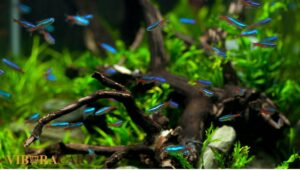
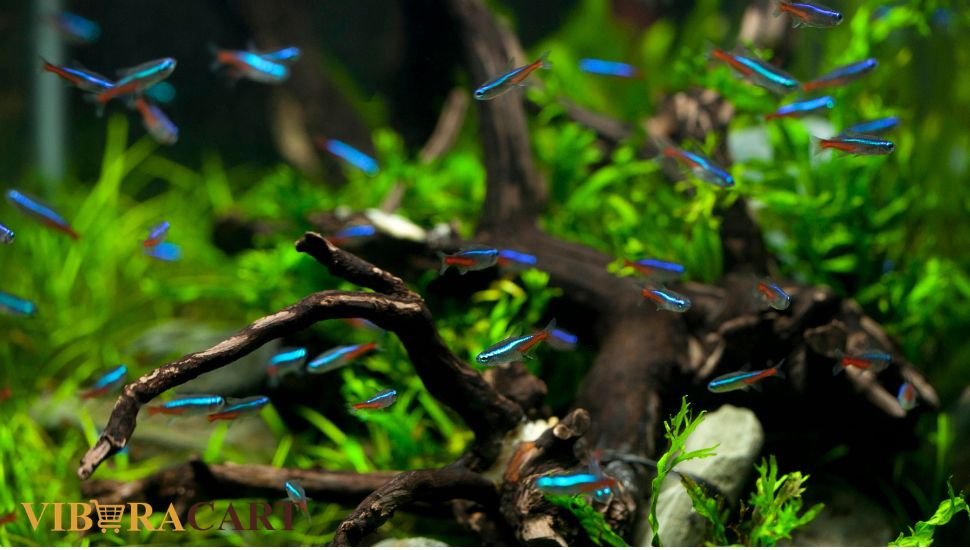
2. Neon Tetra
Known for their vibrant blue and red stripes, Neon Tetras are peaceful schooling fish that add movement and color to any freshwater aquarium.
3. Corydoras Catfish
These bottom-dwelling fish help keep the substrate clean by eating leftover food while remaining friendly with other species.
4. Zebra Danio
Zebra Danios are highly resilient, making them an excellent choice for beginners learning aquarium maintenance.
5. Platy
Platies are peaceful, easy to breed, and available in a variety of attractive colors.
6. Molly
Mollies are adaptable freshwater fish that coexist well with other peaceful community species.
7. Harlequin Rasbora
Harlequin Rasboras are active schooling fish that thrive in planted aquariums.
8. Betta Fish
Betta fish are famous for their vibrant colors and flowing fins. They are best kept alone or with carefully selected compatible tank mates.
How to Introduce Fish into a New Aquarium
Adding fish correctly minimizes stress and prevents sudden changes in water conditions.
Step 1: Float the Bag
Place the sealed fish bag in the aquarium for 15–20 minutes to equalize the temperature.
Step 2: Acclimate the Fish
Gradually add small amounts of aquarium water into the bag every 5–10 minutes for about 30 minutes.
Step 3: Release the Fish
Use a fish net to transfer the fish into the aquarium. Avoid pouring store water into the tank, as it may contain contaminants.
Step 4: Monitor Behavior
Observe your fish for the first few hours. Healthy fish should begin exploring their new environment and swim normally.
Common Aquarium Setup Mistakes to Avoid
Many beginners face preventable problems during the initial setup. Avoiding these mistakes helps establish a stable and healthy aquarium.
Adding Fish Too Early
Introducing fish before the nitrogen cycle is complete exposes them to harmful ammonia and nitrite levels.
Overstocking the Aquarium
Too many fish increase waste production, reduce oxygen levels, and overload the filtration system.
Overfeeding
Excess food decomposes in the water, leading to poor water quality and algae growth. Feed only what fish can consume within 2–3 minutes.
Skipping Water Testing
Regular testing helps detect issues before they affect fish health.
Using Untreated Tap Water
Always use a water conditioner to remove chlorine and chloramine before adding new water.
Ignoring Equipment Maintenance
Dirty filters, malfunctioning heaters, and poor lighting reduce aquarium performance and increase the risk of disease.
Choosing Incompatible Fish
Research fish compatibility before purchasing to prevent aggression and stress.
Weekly Aquarium Maintenance Checklist
A consistent maintenance routine keeps your aquarium healthy and attractive.
Daily Tasks
- Feed fish properly.
- Observe fish behavior.
- Check temperature.
- Inspect filter and heater.
Weekly Tasks
- Test water quality.
- Perform a 20–30% water change.
- Clean algae from the glass.
- Vacuum the substrate.
- Remove dead plant leaves.
Monthly Tasks
- Rinse filter media using aquarium water.
- Inspect pumps and airline tubing.
- Trim live plants.
- Check lighting performance.
- Clean decorations if needed.
Expert Aquarium Setup Tips
Experienced aquarists follow these best practices to maintain healthy aquariums.
- Choose a slightly larger aquarium for better water stability.
- Invest in high-quality filtration equipment.
- Quarantine new fish before introducing them to the main aquarium.
- Add fish gradually instead of all at once.
- Keep water parameters stable.
- Use live plants to improve water quality naturally.
- Avoid sudden temperature changes.
- Maintain a regular cleaning schedule.
- Keep a maintenance journal to track water tests and equipment servicing.
- Continue learning through trusted aquarium resources and communities.
Frequently Asked Questions (FAQs)
1. What is the best aquarium setup for beginners ?
A 20–30 gallon freshwater aquarium with a quality filter, heater, LED lighting, water conditioner, and hardy community fish is the best setup for beginners.
2. How long should I wait before adding fish to a new aquarium ?
Wait until the nitrogen cycle is complete, which typically takes 3–6 weeks. Test the water to ensure ammonia and nitrite levels are 0 ppm before introducing fish.
3. What equipment do I need to set up an aquarium ?
Essential equipment includes:
- Aquarium tank
- Filter
- Heater
- LED lighting
- Thermometer
- Water conditioner
- Water testing kit
- Gravel vacuum
- Fish net
- Suitable substrate
4. Which fish are easiest for beginners ?
Popular beginner-friendly species include:
- Guppies
- Neon Tetras
- Platies
- Mollies
- Corydoras Catfish
- Zebra Danios
- Harlequin Rasboras
- Betta Fish
5. How often should I change aquarium water ?
Perform a 20–30% water change every week to maintain water quality and remove excess waste while preserving beneficial bacteria.
Conclusion
Setting up your first aquarium is more than simply adding water and fish—it is about creating a balanced ecosystem where aquatic life can thrive. By selecting the right tank size, investing in quality equipment, understanding the nitrogen cycle, and choosing compatible fish species, you build a strong foundation for long-term success.
Regular maintenance, proper feeding, and consistent water testing are essential for keeping your aquarium healthy and visually appealing. Whether your goal is a peaceful freshwater community tank or a beautifully aquascaped display, following this Best Aquarium Setup Guide for Beginners in 2026 will help you avoid common mistakes and enjoy a rewarding fishkeeping experience.
For even more expert advice, continue exploring related topics such as Complete Aquarium Care Guide, Aquarium Maintenance, Best Aquarium Plants, and Fish Tank Decoration Ideas to expand your knowledge and create the perfect aquatic environment.