Introduction
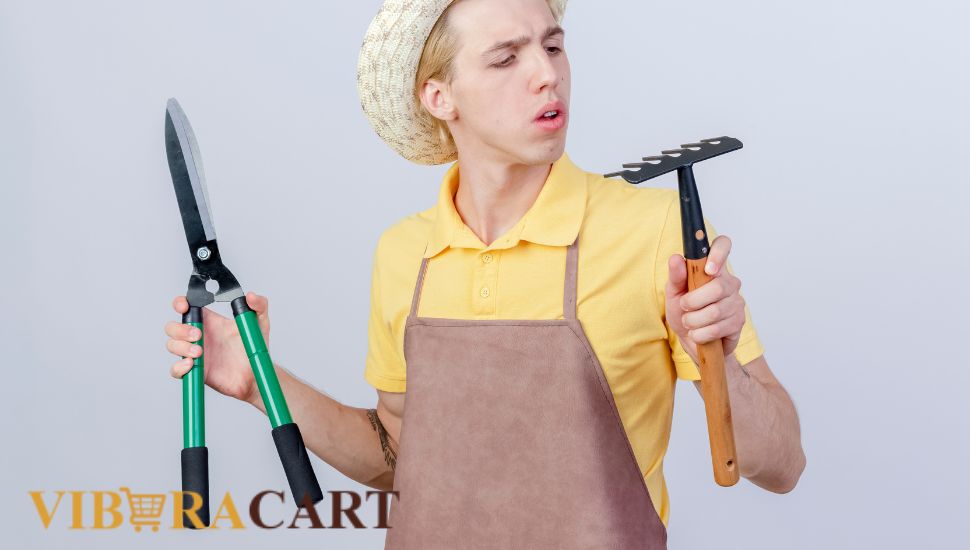
Gardening is both a passion and a skill but the tools you use can make or break your experience. One of the most common dilemmas gardeners face is choosing between lightweight vs heavy gardening tools.
Should you go for tools that are easy to handle, or invest in heavier, more durable equipment?
The truth is—there’s no one-size-fits-all answer.
This guide breaks down everything you need to know so you can make a smart, results-driven decision based on your gardening style, strength, and goals.
What Are Lightweight Gardening Tools ?
Lightweight gardening tools are designed for ease of use, portability, and comfort.
Examples:
- Plastic or aluminum trowels
- Compact pruners
- Lightweight hoes
- Small watering cans
Key Features:
- Easy to carry
- Reduced hand fatigue
- Ideal for beginners
- Perfect for small gardens
What Are Heavy Gardening Tools ?
Heavy gardening tools are built for power, durability, and demanding tasks.
Examples:
- Steel shovels
- Heavy-duty rakes
- Large spades
- Pickaxes
Key Features:
- Strong and durable
- Better for tough soil
- Suitable for large-scale gardening
- Long lifespan
Lightweight vs Heavy Gardening Tools: Key Differences
| Feature | Lightweight Tools | Heavy Tools |
|---|---|---|
| Ease of Use | Very easy | Requires strength |
| Durability | Moderate | High |
| Best For | Small tasks | Heavy-duty work |
| Fatigue Level | Low | Higher |
| Precision | High | Moderate |
Benefits of Lightweight Gardening Tools
1. Reduced Physical Strain
Lightweight tools are perfect if you want to garden longer without fatigue.
2. Better Control
They offer precision for delicate tasks like planting and pruning.
3. Beginner-Friendly
If you’re new to gardening, lightweight tools are easier to learn with.
4. Perfect for Urban Gardening
Balcony gardens and small spaces benefit the most.
Benefits of Heavy Gardening Tools
1. High Durability
Built with strong materials like steel, these tools last longer.
2. Better for Tough Jobs
Heavy tools can easily break hard soil and roots.
3. Efficiency in Large Gardens
They reduce time when working on bigger areas.
4. Professional-Level Performance
Ideal for serious gardeners and landscapers.
Limitations You Should Know
Lightweight Tools Cons:
- Less durable
- Not suitable for hard soil
- May break under pressure
Heavy Tools Cons:
- Can cause fatigue
- Harder to handle for beginners
- Not ideal for small or delicate tasks
Which One Should You Choose? (Expert Insight)
Choosing between lightweight and heavy gardening tools depends on:
Your Garden Size
- Small garden → Lightweight tools
- Large garden → Heavy tools
Your Physical Strength
- Less strength → Lightweight
- More strength → Heavy
Type of Work
- Planting & trimming → Lightweight
- Digging & clearing → Heavy
Best Strategy: Use a combination of both for maximum efficiency.
Smart Gardening Tip (E.E.A.T Based Insight)
Experienced gardeners often recommend a hybrid toolkit:
- Use lightweight tools for daily maintenance
- Switch to heavy tools for seasonal or intensive work
This approach improves productivity, comfort, and long-term results.
Content Gap You Can Target (SEO Advantage)
Most competitors miss these angles:
Comparison based on user strength & age
Tool recommendations by garden type (indoor/outdoor)
Ergonomics & injury prevention
Cost vs long-term value analysis
AI-based smart gardening tools integration
You can dominate SEO by covering these gaps.
How to Integrate AI in Gardening SEO Content
To stay ahead:
- Use AI tools to analyze user intent
- Add data-backed comparisons
- Optimize for voice search queries
- Include FAQ schema + featured snippets
Create visual + interactive content
Lightweight vs Heavy Gardening Tools Complete Comparison Guide
FAQs (SEO Optimized)
1. Are lightweight gardening tools better for beginners ?
Yes, they are easier to handle, require less strength, and reduce fatigue.
2. Do heavy gardening tools last longer ?
Generally, yes. They are made from durable materials like steel and designed for heavy use.
3. Can I use lightweight tools for all gardening tasks ?
Not really. They are best for light tasks but may struggle with hard soil or large projects.
4. Which tools are best for small gardens ?
Lightweight tools are ideal for small spaces and indoor gardening.
5. Is it worth buying both types of tools ?
Absolutely. A combination ensures efficiency, flexibility, and better results.
Conclusion
When it comes to lightweight vs heavy gardening tools, the best choice depends on your needs—not just the tool itself.
- Go lightweight for comfort and precision
- Go heavy for strength and durability
- Or combine both for the best results
Smart gardeners don’t choose one—they choose what works best for the job.
On the other hand, heavy gardening tools deliver power, durability, and performance. If you’re dealing with hard soil, large landscapes, or intensive gardening tasks, these tools can significantly reduce effort and improve efficiency over time. While they may require more strength, their long-term value and resilience often make them a worthwhile investment.