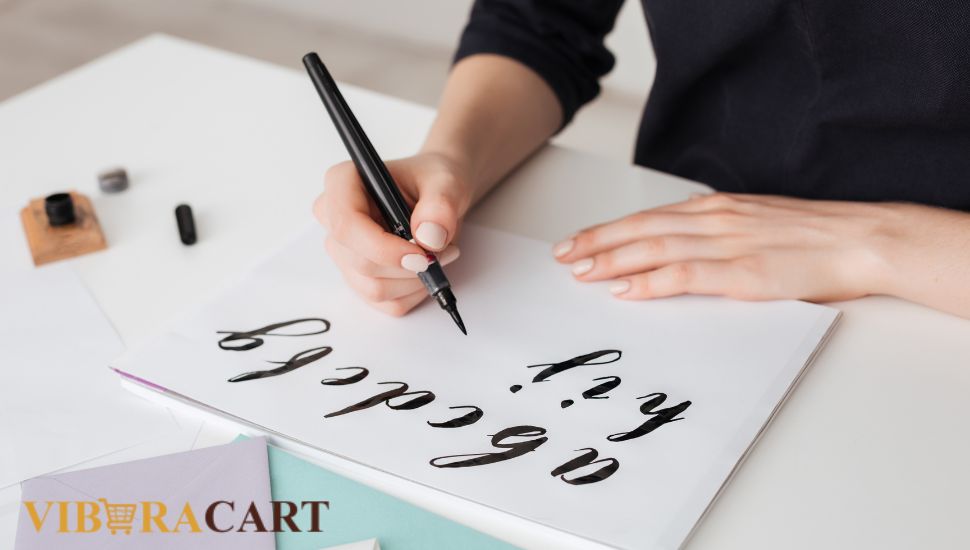
Introduction
Calligraphy has become one of the most popular creative hobbies for people looking to improve handwriting, explore artistic expression, and enjoy mindful activities at home. With the rise of online tutorials, personalized learning kits, and digital practice resources, beginners can now start learning calligraphy without attending physical classes.
Many people ask the same question:
The good news is that calligraphy is easier to begin than most people think. With the right tools, consistent practice, and a structured learning routine, anyone can develop beautiful lettering skills from the comfort of home.
This guide provides a complete beginner-friendly roadmap using semantic SEO structure, EEAT principles, and practical learning strategies.
What is Calligraphy ?
Calligraphy is the art of decorative handwriting created through controlled pen strokes and creative lettering techniques. Unlike normal writing, calligraphy focuses on style, balance, spacing, and artistic presentation.
There are different styles of calligraphy, including:
- Modern calligraphy
- Brush lettering
- Gothic calligraphy
- Traditional dip pen calligraphy
- Faux calligraphy
For beginners learning at home, modern brush calligraphy is usually the easiest starting point.
Starting calligraphy at home becomes much easier when beginners follow a step-by-step learning approach.
1. Choose Beginner-Friendly Calligraphy Tools
The first step is selecting the right tools.
A basic beginner calligraphy setup usually includes:
- Brush pens
- Smooth practice paper
- Pencil and ruler
- Practice worksheets
- Beginner guidebook
Many learners prefer using custom calligraphy kits for beginners because they provide everything in one package.
Brush pens are recommended because they are easier to control than traditional dip pens.
2. Learn Basic Calligraphy Strokes
Before writing letters, beginners should practice basic strokes.
These include:
- Upstrokes
- Downstrokes
- Curved strokes
- Entry and exit strokes
- Oval formations
Basic strokes build muscle memory and improve pen control.
One of the most common mistakes beginners make is skipping stroke practice and jumping directly into full words.
3. Understand Pen Pressure Control
Calligraphy depends heavily on pressure variation.
Thin Strokes
Created with light pressure.
Thick Strokes
Created with heavier pressure.
Learning pressure control is one of the most important skills in modern calligraphy.
Consistent practice helps create smooth and balanced lettering.
4. Practice the Alphabet Slowly
After mastering basic strokes, beginners should start practicing lowercase letters first.
Focus on:
- Consistent spacing
- Smooth curves
- Letter proportions
- Stroke direction
Practicing slowly improves accuracy and reduces frustration.
5. Follow a Daily Practice Routine
Consistency matters more than speed.
A simple daily routine may include:
| Practice Activity | Time |
|---|---|
| Basic strokes | 10 minutes |
| Alphabet practice | 15 minutes |
| Word formation | 10 minutes |
| Free creative practice | 5 minutes |
Practicing regularly builds confidence and improves writing flow.
Essential Calligraphy Supplies for Beginners
Brush Pens
Flexible tips help create thick and thin strokes.
Smooth Calligraphy Paper
Prevents ink bleeding and feathering.
Worksheets and Tracing Sheets
Guide beginners through structured learning.
Ink and Dip Pens
Useful for traditional calligraphy styles.
Beginner Calligraphy Kits
Provide organized tools and learning materials.
Benefits of Learning Calligraphy at Home
Stress Relief and Relaxation
Calligraphy encourages mindfulness and calm focus.
Improved Handwriting
Regular practice improves letter consistency and neatness.
Creative Self-Expression
Allows beginners to explore artistic styles.
Better Concentration
Focused writing strengthens attention and patience.
Affordable Learning Option
Home learning reduces the cost of professional classes.
Future Trends in Beginner Calligraphy Learning
The future of calligraphy learning includes:
- AI-powered handwriting feedback tools
- Interactive digital tracing apps
- Personalized online calligraphy classes
- Smart practice templates
- Creative wellness integration
These innovations are making home learning more accessible than ever.
Best Practice Techniques for Beginner Calligraphy Learners
Developing strong calligraphy skills requires more than just good tools. Beginners must also learn proper practice techniques to improve consistency, control, and lettering quality.
One of the most effective methods is repetitive stroke training. Professional calligraphers recommend practicing individual strokes daily before attempting decorative words or complex lettering designs.
Focus on Muscle Memory
Calligraphy depends heavily on hand movement control. Repeating the same strokes helps train muscle memory and improves writing smoothness over time.
Practice Large Before Small
Beginners should start with larger letters because they are easier to control. Once confidence improves, smaller detailed lettering becomes easier to manage.
Use Guideline Sheets
Guidelines help maintain:
- Proper letter spacing
- Consistent height
- Balanced alignment
- Uniform slant angles
These small details greatly improve overall lettering appearance.
Maintain Proper Posture
Comfortable sitting posture and relaxed hand positioning reduce strain during long practice sessions.
Track Progress Weekly
Saving practice sheets helps beginners measure improvement and stay motivated throughout the learning journey.
With consistent effort and patience, even simple daily exercises can create noticeable improvement in lettering quality.
How Social Media and Online Communities Help Beginners Learn Calligraphy
Modern beginners have access to a huge range of online resources that make learning calligraphy at home easier than ever before.
Social media platforms and creative communities provide inspiration, tutorials, and real-time feedback for learners worldwide.
Instagram and Pinterest Inspiration
Platforms like Pinterest and Instagram are filled with:
- Beginner lettering tutorials
- Practice sheet ideas
- Brush stroke demonstrations
- Modern calligraphy styles
These visual platforms help learners discover new techniques and creative trends.
YouTube Learning Tutorials
Free video tutorials allow beginners to:
- Watch pen movement closely
- Understand pressure control
- Follow real-time demonstrations
- Practice alongside instructors
Video-based learning is especially helpful for visual learners.
How Online Communities Help Beginner Calligraphers
Joining calligraphy communities allows beginners to:
- Share Progress: Post practice work and track improvement over time
- Receive Constructive Feedback: Get helpful suggestions from experienced artists
- Ask Questions Anytime: Solve doubts about tools, techniques, or styles
- Learn from Experts: Observe professional calligraphers and adopt better techniques
- Stay Motivated: Community support encourages consistency and creativity
AI and Digital Learning Tools
Modern technology now offers:
- AI handwriting feedback apps
- Digital tracing templates
- Interactive lettering practice tools
- Personalized learning recommendations
These innovations are transforming how beginners learn calligraphy at home and making creative education more accessible worldwide.FAQs
1. How do beginners start learning calligraphy at home ?
Beginners should start with brush pens, practice worksheets, and basic stroke exercises before moving to full lettering.
2. What supplies do I need for beginner calligraphy ?
You need brush pens, smooth paper, worksheets, rulers, and beginner practice guides.
3. Is calligraphy hard to learn ?
No, calligraphy becomes easier with regular practice and proper guidance.
4. How long does it take to learn calligraphy ?
Most beginners see noticeable improvement within a few weeks of daily practice.
5. Can I learn calligraphy without classes ?
Yes, many people successfully learn calligraphy at home using online tutorials and beginner kits.
Conclusion
The answer is simplWide Variety of Colors & Styles for Creative Calligraphye start with the right tools, practice basic strokes consistently, follow structured learning routines, and focus on gradual improvement.
Calligraphy is not about perfection it is about patience, creativity, and expression. With dedication and regular practice, beginners can develop beautiful lettering skills from the comfort of home.
Whether using a brush pen, worksheets, or a complete custom calligraphy kit, the journey begins one stroke at a time.