Intrduction
Gardening is a relaxing and rewarding activity, but for many people, especially seniors or those with joint pain, it can also become physically challenging. One of the most common problems gardeners face is hand fatigue and poor grip while using traditional watering cans or hoses.
This is where ergonomic watering tools for better grip & control make a huge difference. These tools are specially designed to reduce strain, improve comfort, and give users better control over water flow.
In this guide, we will explore how ergonomic watering tools work, why they matter, and how they can transform your gardening experience.
What Are Ergonomic Watering Tools ?
Ergonomic watering tools are specially designed gardening devices that reduce physical stress on the hands, wrists, and arms.
Unlike traditional watering cans, these tools feature:
- Soft-grip handles
- Lightweight materials
- Balanced weight distribution
- Adjustable water flow controls
- Anti-slip textures
The main goal is simple: make watering plants easier, safer, and more comfortable.
Why Grip & Control Matter in Gardening
When watering plants, poor grip or heavy tools can lead to:
- Hand cramps
- Wrist pain
- Shoulder fatigue
- Water spillage
- Uneven watering
Over time, these small issues can discourage people from gardening altogether.
Ergonomic tools solve this by improving precision and comfort at the same time.
Key Features of Ergonomic Watering Tools
1. Soft Non-Slip Handles
Most ergonomic tools use rubber or silicone grips that prevent slipping even when hands are wet.
2. Lightweight Design
Plastic composite or aluminum materials reduce overall weight, making tools easier to lift.
3. Adjustable Flow Control
Users can control water pressure, which helps protect delicate plants and reduce waste.
4. Balanced Structure
Even when filled with water, ergonomic cans distribute weight evenly to reduce wrist strain.
5. Extended Reach Nozzles
Perfect for hanging plants or hard-to-reach areas without bending too much.
Types of Ergonomic Watering Tools
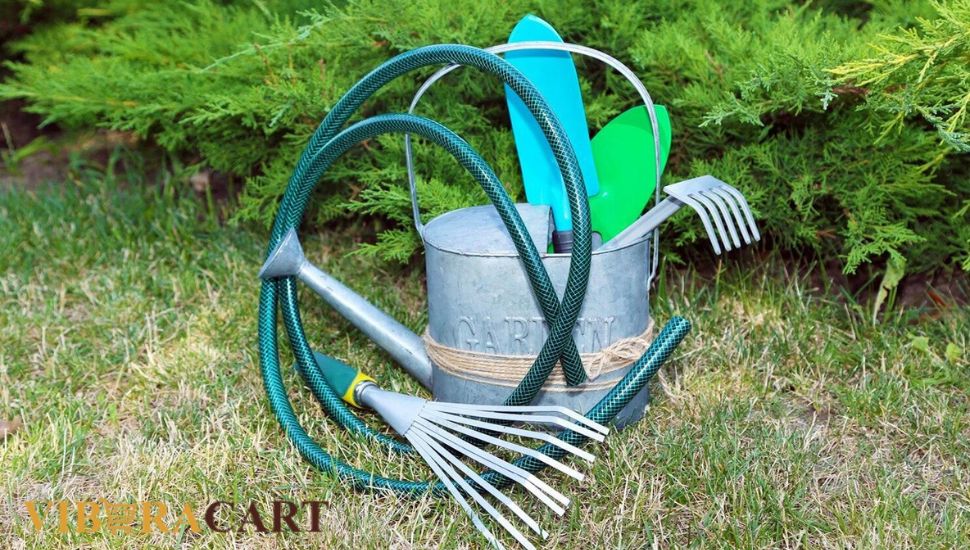
Ergonomic Watering Cans
Designed with curved handles and balanced weight to reduce hand stress.
Hose Nozzles with Grip Control
Allow users to adjust spray patterns (mist, jet, shower) with minimal effort.
Garden Sprayers
Ideal for indoor plants and delicate watering tasks.
Smart Irrigation Attachments
Modern systems that regulate water flow automatically for efficiency.
Who Should Use Ergonomic Watering Tools?
These tools are especially useful for:
- Senior gardeners
- People with arthritis or joint pain
- Professional landscapers
- Home gardeners with large gardens
- Beginners learning plant care
Even if you don’t have physical issues, ergonomic tools make gardening more efficient and enjoyable.
Material Science Behind Better Grip Tools
High-quality ergonomic watering tools use:
- Silicone grips → maximum comfort
- Thermoplastic rubber (TPR) → durability + anti-slip
- ABS plastic → lightweight strength
- Aluminum bodies → long-lasting structure
These materials are chosen to reduce strain while increasing durability.
Benefits of Ergonomic Watering Tools
Reduced Hand Fatigue
Less pressure on fingers and wrist joints.
Better Water Control
No overwatering or underwatering.
Increased Efficiency
Water plants faster with less effort.
Injury Prevention
Reduces risk of repetitive strain injuries.
Improved Gardening Experience
Makes gardening enjoyable rather than tiring.
Choosing the Right Ergonomic Watering Tool
When selecting the best tool, consider:
- Garden size
- Type of plants
- Grip comfort level
- Weight when full
- Spray adjustment options
For small indoor gardens, a sprayer is ideal. For outdoor gardens, a lightweight watering can or hose nozzle works best.
Maintenance Tips
To extend the life of your tools:
- Clean nozzles regularly to prevent blockage
- Avoid leaving water inside cans for long periods
- Store in shaded areas to prevent plastic damage
- Check rubber grips for wear and tear
Future of Gardening Tools
Modern gardening is shifting toward smart ergonomic design + automation. In the future, we will see:
- AI-based watering systems
- Pressure-sensitive nozzles
- Eco-water-saving technologies
- Fully adjustable smart hoses
This evolution will make gardening even more accessible.
FAQs
1. What makes watering tools ergonomic ?
Ergonomic watering tools are designed with soft grips, lightweight materials, and balanced structures to reduce strain on hands and wrists.
2. Are ergonomic watering cans worth it ?
Yes, they significantly reduce fatigue and improve watering accuracy, especially for regular gardeners or elderly users.
3. Can ergonomic tools help with arthritis ?
Yes, many tools are designed specifically to reduce pressure on joints and improve grip comfort.
4. What is the best material for watering tools ?
Silicone grips with ABS plastic or aluminum bodies are considered the best combination for comfort and durability.
5. Do ergonomic tools improve plant health ?
Yes, because they allow better control of water flow, preventing overwatering or underwatering.
Conclusion
Ergonomic watering tools for better grip & control are not just gardening accessories—they are essential comfort solutions for modern gardeners. Whether you are maintaining a small home garden or managing a larger landscape, the right ergonomic design can significantly reduce hand fatigue, wrist strain, and physical stress.
By choosing tools with soft non-slip grips, lightweight construction, and adjustable water flow, you improve not only your gardening efficiency but also the long-term health of your hands and joints. These tools make gardening more enjoyable, accessible, and sustainable for everyone especially seniors and individuals with arthritis or limited hand strength.
In a world where gardening is becoming both a lifestyle and a wellness activity, investing in ergonomic watering tools is a smart step toward comfort, precision, and healthier plant care.