Introduction
Gardening is one of the most rewarding outdoor activities, offering relaxation, exercise, and the satisfaction of nurturing healthy plants. However, repetitive watering tasks can sometimes lead to hand fatigue, wrist discomfort, and reduced control, especially during longer gardening sessions. This is where ergonomic watering tools for better grip and control make a significant difference.
Designed with user comfort in mind, ergonomic watering tools help gardeners work more efficiently while reducing physical strain. Whether you maintain a small backyard garden, a large landscape, or a collection of indoor plants, investing in the right watering equipment can improve both your gardening experience and plant health.
In today’s gardening market, ergonomic designs have become increasingly popular because they combine comfort, functionality, and durability. Let’s explore why these tools are becoming essential for modern gardeners.
What Are Ergonomic Watering Tools ?
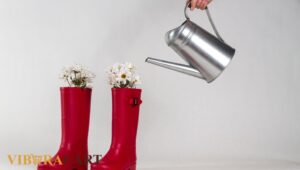
Ergonomic watering tools are specially designed gardening accessories created to minimize stress on the hands, wrists, arms, and shoulders. Unlike traditional watering equipment, these tools focus on natural hand positioning, enhanced grip, and easier operation.
The term “ergonomic” refers to designing products that work with the human body rather than against it. In gardening, this means creating watering tools that reduce effort while maximizing control and efficiency.
Common ergonomic watering tools include:
- Watering cans with balanced handles
- Adjustable hose nozzles
- Watering wands
- Garden sprayers
- Trigger-free watering systems
- Drip irrigation accessories
These tools help gardeners maintain comfort while performing daily watering tasks.
Why Ergonomics Matters in Gardening
Many gardeners underestimate the physical demands of routine watering. Repeated squeezing, lifting, carrying, and gripping can place strain on muscles and joints over time.
For individuals with arthritis, reduced hand strength, or mobility concerns, traditional watering equipment can become difficult to use.
Ergonomic gardening tools address these challenges by:
- Reducing pressure on joints
- Improving hand positioning
- Minimizing repetitive stress
- Enhancing overall comfort
- Increasing watering accuracy
By reducing physical strain, gardeners can enjoy their hobby for longer periods without discomfort.
Benefits of Ergonomic Watering Tools
Better Grip and Handling
One of the biggest advantages of ergonomic watering tools is improved grip. Many designs feature soft, non-slip materials that remain comfortable even when wet.
A secure grip helps prevent accidental drops and allows for greater confidence during watering tasks.
Reduced Hand and Wrist Strain
Traditional watering nozzles often require constant trigger pressure. Over time, this repetitive motion can cause discomfort and fatigue.
Ergonomic alternatives distribute pressure more evenly and often include trigger-free mechanisms, reducing stress on the hands and wrists.
Improved Watering Precision
Plants require different watering techniques depending on their species and growth stage.
Ergonomic watering tools provide better control over water flow, helping gardeners target specific areas while avoiding overwatering or waste.
Increased Gardening Comfort
Comfort plays a major role in maintaining a consistent gardening routine. When tools are easier to use, gardening becomes more enjoyable and less physically demanding.
Essential Features to Look For
Not all watering tools offer the same ergonomic benefits. When selecting equipment, consider the following features.
Non-Slip Handles
Textured grips help maintain control in wet conditions and reduce the amount of force required to hold the tool securely.
Lightweight Construction
Heavy watering equipment can increase fatigue during prolonged use.
Materials such as aluminum, reinforced plastic, and lightweight composites offer durability without unnecessary weight.
Adjustable Spray Patterns
Different plants require different watering methods.
Look for tools that provide multiple spray settings such as:
- Mist
- Shower
- Jet
- Flat spray
- Cone spray
This flexibility improves watering precision and plant care.
Trigger-Free Operation
Many modern hose nozzles feature thumb controls or continuous-flow settings that eliminate the need for constant squeezing.
These designs are especially beneficial for individuals with arthritis or hand pain.
Types of Ergonomic Watering Tools
Ergonomic Watering Wands
Watering wands allow gardeners to reach hanging baskets, raised beds, and hard-to-access plants without excessive stretching or bending.
Their extended reach helps maintain proper posture while watering.
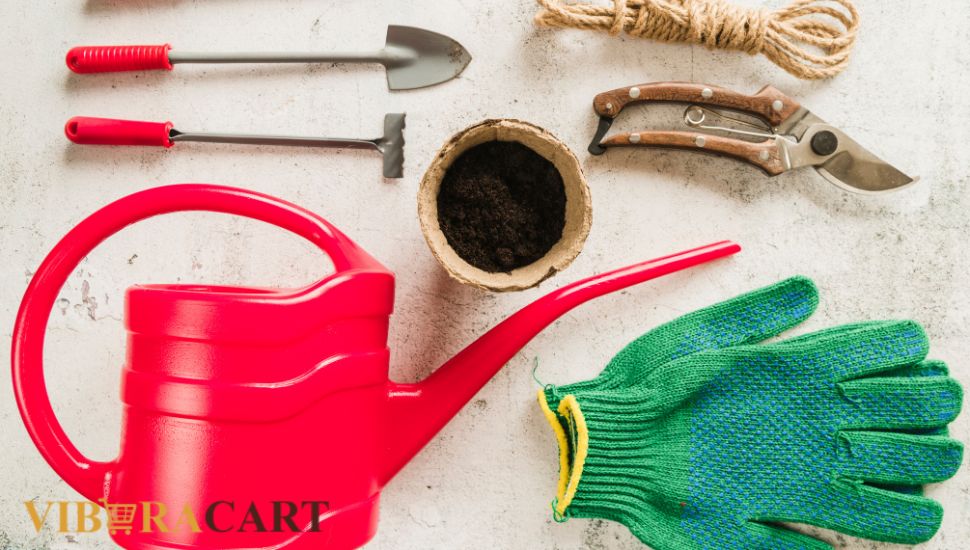
Easy-Grip Watering Cans
Modern ergonomic watering cans feature balanced weight distribution and comfortable handles that reduce wrist strain.
These designs make carrying and pouring water significantly easier.
Ergonomic Hose Nozzles
Hose nozzles are among the most frequently used watering tools.
Advanced ergonomic models provide:
- Comfortable grips
- Adjustable spray settings
- Thumb-control water flow
- Lightweight construction
These features enhance both comfort and efficiency.
Garden Sprayers
Handheld sprayers are useful for fertilizers, pesticides, and plant treatments.
Ergonomic versions include easy-pump systems and comfortable handles that minimize repetitive motion.
Drip Irrigation Accessories
Drip irrigation systems automate watering and reduce manual labor.
Combining ergonomic tools with automated irrigation creates a highly efficient watering solution.
How Ergonomic Design Improves Gardening Efficiency
Less Fatigue
Reducing strain allows gardeners to work longer without discomfort.
This increased endurance can be particularly valuable during busy planting seasons.
Better Control
Improved grip and balance help gardeners direct water exactly where it is needed.
Precise watering promotes healthier root systems and reduces water waste.
Greater Productivity
Comfortable tools make gardening tasks faster and more enjoyable.
Gardeners spend less time managing discomfort and more time caring for plants.
Choosing the Right Ergonomic Watering Tool
The ideal watering tool depends on several factors.
Garden Size
Small gardens may only require an ergonomic watering can.
Larger landscapes often benefit from watering wands and hose nozzles.
Plant Requirements
Delicate flowers, vegetables, shrubs, and container plants all have unique watering needs.
Choose equipment that offers adjustable flow settings.
Physical Comfort Needs
Individuals with arthritis or reduced grip strength should prioritize:
- Lightweight designs
- Trigger-free controls
- Soft-grip handles
- Extended-reach tools
These features provide maximum comfort during use.
Future Trends in Ergonomic Gardening Equipment
The gardening industry continues to innovate.
Emerging trends include:
Smart Watering Systems
Technology-driven watering solutions can automatically adjust water delivery based on weather conditions and soil moisture levels.
Sustainable Materials
Manufacturers are increasingly using recycled plastics and eco-friendly materials to produce gardening tools.
Advanced Grip Technology
New handle designs focus on pressure distribution and enhanced comfort for prolonged use.
These innovations are expected to make gardening even more accessible and enjoyable.
Why Professional Gardeners Prefer Ergonomic Tools
Professional landscapers and gardeners often spend several hours each day watering plants.
Many choose ergonomic equipment because it:
- Reduces physical stress
- Improves efficiency
- Supports long-term joint health
- Enhances watering precision
- Increases productivity
The same advantages benefit home gardeners who want a more comfortable experience.
Conclusion
Ergonomic watering tools for better grip and control are transforming the way people care for their gardens. By reducing strain, improving handling, and enhancing watering precision, these tools help gardeners maintain healthy plants while protecting their hands, wrists, and joints.
Whether you are a beginner gardener, a senior plant enthusiast, or a professional landscaper, investing in ergonomic watering equipment can significantly improve your gardening experience. With innovative designs, lightweight materials, and advanced comfort features, these tools offer a smarter and more enjoyable way to keep plants thriving.
As gardening technology continues to evolve, ergonomic watering solutions will remain an essential part of creating productive, sustainable, and comfortable outdoor spaces.
Frequently Asked Questions
What are ergonomic watering tools ?
Ergonomic watering tools are gardening accessories designed to reduce strain on the hands, wrists, and arms while improving watering control and comfort.
Are ergonomic watering tools good for arthritis sufferers ?
Yes. Many ergonomic tools feature lightweight designs, soft grips, and trigger-free controls that are easier on sensitive joints.
What is the best ergonomic watering tool for beginners ?
An easy-grip watering can or ergonomic hose nozzle is often the best starting point for most gardeners.
How do ergonomic hose nozzles improve control ?
They provide comfortable grips, adjustable spray patterns, and easier flow control, allowing for more accurate watering.
Can ergonomic watering tools reduce fatigue ?
Yes. Their user-friendly design minimizes repetitive strain and helps gardeners work longer with less discomfort.
Are ergonomic watering tools worth the investment ?
Absolutely. They improve comfort, efficiency, watering accuracy, and overall gardening enjoyment while helping reduce physical stress.