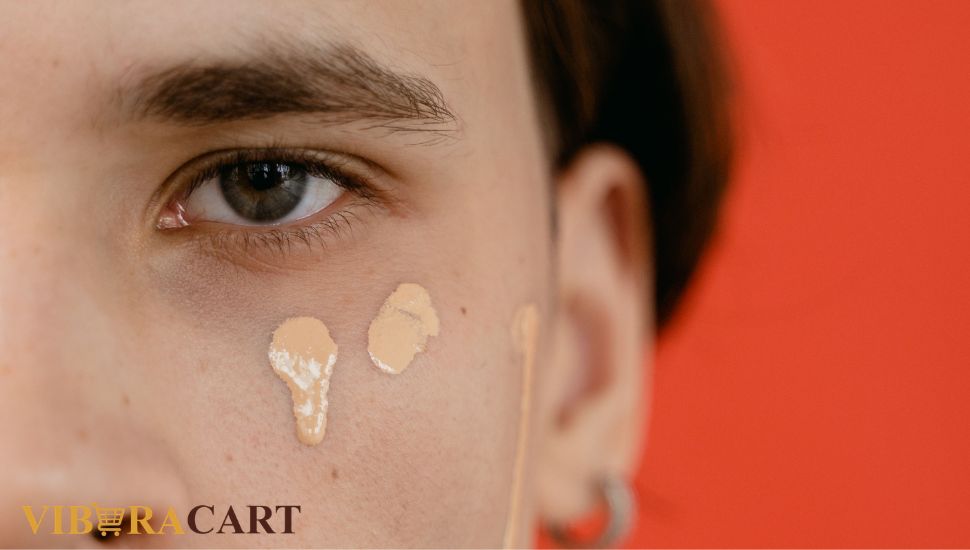
Best Foundation for Different Skin Types
Foundation is the base of every beautiful makeup look, but finding the right one can feel overwhelming with so many formulas, finishes, and brands available. The truth is that the best foundation for different skin types depends on your skin’s unique needs rather than the latest beauty trend.
Whether you have oily skin, dry skin, combination skin, sensitive skin, mature skin, or acne-prone skin, choosing the right foundation can improve both your makeup’s appearance and your skin’s comfort. A well-matched foundation creates an even complexion, enhances your natural beauty, and lasts longer throughout the day.
Modern foundation formulas now include skincare ingredients such as Hyaluronic Acid, Niacinamide, Ceramides, Vitamin E, and Glycerin, offering hydration, oil control, and skin-friendly benefits while providing beautiful coverage. Leading beauty brands like Fenty Beauty, NARS Cosmetics, Maybelline New York, Estée Lauder, MAC Cosmetics, L’Oréal Paris, and Charlotte Tilbury have developed foundations tailored to different skin concerns, making it easier than ever to find your ideal match.
In this comprehensive guide, we’ll help you understand different foundation formulas, discover which options work best for each skin type, and learn professional makeup tips for achieving a flawless, long-lasting finish.

Understanding Your Skin Type Before Choosing Foundation
Before purchasing any foundation, it’s important to identify your skin type. Your skin’s oil production, hydration level, and sensitivity determine how foundation performs throughout the day.
Oily Skin
Oily skin produces excess sebum, leading to shine, enlarged pores, and makeup that may fade or separate after a few hours. Individuals with oily skin often benefit from lightweight, oil-free foundations that control excess shine without feeling heavy.
Dry Skin
Dry skin typically feels tight and may have flaky patches. Foundations with hydrating ingredients help create a smoother, healthier-looking complexion while preventing makeup from settling into dry areas.
Combination Skin
Combination skin has both oily and dry areas, usually with an oily T-zone and normal or dry cheeks. A balanced foundation with a natural or satin finish is often the most versatile choice.
Sensitive Skin
Sensitive skin is more prone to redness, irritation, or allergic reactions. Gentle, fragrance-free foundations with soothing ingredients are ideal for maintaining comfort throughout the day.
Mature Skin
As skin matures, it naturally loses moisture and elasticity. Lightweight, radiant foundations can help minimize the appearance of fine lines while adding a youthful glow.
Acne-Prone Skin
Acne-prone skin requires non-comedogenic foundations that provide coverage without clogging pores or contributing to future breakouts.
Why Your Skin Type Matters When Selecting Foundation
Many people focus only on finding the right shade, but selecting the correct formula is equally important. The wrong foundation can emphasize texture, increase oiliness, or make the skin appear dull and uneven.
For example, a matte foundation may keep oily skin shine-free for hours, but the same formula could make dry skin appear flaky. Conversely, a rich, dewy foundation designed for dry skin may slide off oily skin within a few hours.
Understanding your skin type helps you choose a foundation that works with your skin rather than against it.
Benefits include:
Longer-lasting makeup wear
Improved comfort throughout the day
Better oil control or hydration
Smoother makeup application
More natural-looking coverage
Reduced need for frequent touch-ups
Choosing the right foundation also supports healthier-looking skin because modern formulas often combine cosmetic coverage with skincare benefits.
Foundation Formulas Explained
Different foundation formulas are designed to meet different beauty goals. Knowing how each type performs makes it easier to choose the best option.
Liquid Foundation
Liquid foundation remains the most popular choice because it suits nearly every skin type. Available in matte, satin, radiant, and natural finishes, liquid formulas offer flexible coverage and blend easily with brushes or beauty sponges.
Best for:
Normal Skin
Combination Skin
Dry Skin
Mature Skin
Powder Foundation
Powder foundation provides lightweight coverage while helping absorb excess oil. It offers a matte finish and is ideal for quick touch-ups throughout the day.
Best for:
Oily Skin
Combination Skin
Cream Foundation
Cream foundations deliver richer coverage and excellent hydration, making them suitable for dry or mature skin that needs additional moisture.
Best for:
Dry Skin
Mature Skin
Stick Foundation
Stick foundations are convenient for travel and provide buildable coverage. They work well for targeted application and quick touch-ups.
Best for:
Normal Skin
Combination Skin
Serum Foundation
Serum foundations combine lightweight pigmentation with skincare ingredients like Hyaluronic Acid, Niacinamide, and Vitamin E. These formulas create a natural finish while supporting skin hydration and improving texture over time.
Best for:
Dry Skin
Mature Skin
Sensitive Skin
Best Foundation for Oily Skin
Finding the best foundation for oily skin means choosing a formula that controls excess shine without making the skin feel heavy. Look for oil-free, non-comedogenic, and long-wear matte foundations that help minimize the appearance of pores and maintain a fresh complexion throughout the day.
Ingredients such as Niacinamide can help regulate oil production, while lightweight formulas prevent clogged pores. Pair your foundation with a mattifying primer and a light dusting of setting powder to improve wear time and reduce midday shine.
Ideal Features:
Matte finish
Oil-free formula
Long-lasting wear
Lightweight texture
Buildable coverage
Sweat- and humidity-resistant
Recommended Product Types:
Liquid matte foundation
Powder foundation
Soft-matte foundation
Best Foundation for Dry Skin
Dry skin often struggles with tightness, flaky patches, and makeup that settles into fine lines. The best foundation for dry skin should provide hydration while creating a smooth, radiant complexion. Modern hydrating foundations enriched with skincare ingredients help nourish the skin while delivering buildable coverage.
Look for formulas containing Hyaluronic Acid, Glycerin, Ceramides, Vitamin E, and Squalane. These ingredients help lock in moisture and keep your makeup looking fresh throughout the day.
Best Features
- Hydrating formula
- Dewy or radiant finish
- Lightweight liquid texture
- Medium to full coverage
- Skin-loving ingredients
- Long-lasting hydration
Professional Tip
Always apply a rich moisturizer and hydrating primer before foundation. Use a damp Beauty Blender instead of a dense makeup brush to achieve a seamless, natural finish without emphasizing dry patches.
Best Foundation for Combination Skin
Combination skin can be challenging because it has both oily and dry areas. The ideal foundation balances oil control in the T-zone while maintaining hydration on the cheeks and around the mouth.
A satin or natural-finish liquid foundation usually performs best because it provides flexibility across different areas of the face.
Look for
- Satin finish
- Buildable coverage
- Lightweight texture
- Oil-balancing ingredients
- Long-lasting wear
Application Tips
Apply a mattifying primer only on the T-zone while using a hydrating primer on dry areas. Blend foundation evenly using a damp sponge to create a natural-looking complexion.
Best Foundation for Sensitive Skin
Sensitive skin requires extra care because harsh ingredients may trigger redness, irritation, or allergic reactions. Dermatologist-tested foundations with gentle formulas help maintain healthy skin while providing beautiful coverage.
Look for products labeled:
- Fragrance-Free
- Hypoallergenic
- Non-Comedogenic
- Dermatologist Tested
Ingredients such as Aloe Vera, Chamomile, Ceramides, and Niacinamide can soothe the skin while strengthening the skin barrier.
Best Foundation Types
- Mineral Foundation
- Lightweight Liquid Foundation
- Serum Foundation
Avoid foundations containing excessive alcohol, synthetic fragrances, or irritating preservatives if your skin reacts easily.
Best Foundation for Mature Skin
As skin ages, it naturally loses elasticity, collagen, and moisture. Heavy matte foundations may settle into wrinkles and fine lines, making the skin appear older.
Instead, choose lightweight hydrating formulas that provide a radiant finish without looking cakey.
Recommended Features
- Radiant finish
- Hydrating formula
- Medium coverage
- Anti-aging ingredients
- Lightweight texture
Ingredients like Peptides, Hyaluronic Acid, Vitamin E, and Collagen-supporting complexes help create a youthful appearance while improving comfort throughout the day.
Professional makeup artists often recommend applying foundation in thin layers instead of one heavy application to maintain a fresh, natural look.
Best Foundation for Acne-Prone Skin
Acne-prone skin needs coverage without clogging pores. A non-comedogenic, oil-free foundation helps conceal blemishes while minimizing the risk of future breakouts.
Look for
- Oil-Free
- Non-Comedogenic
- Fragrance-Free
- Lightweight Formula
- Buildable Coverage
Ingredients like Salicylic Acid, Niacinamide, and Zinc may help improve the appearance of acne-prone skin while reducing excess oil.
Always remove makeup completely before sleeping to maintain healthy skin.
How to Choose the Right Foundation Shade
Choosing the correct shade is just as important as selecting the right formula. A perfectly matched foundation blends seamlessly into your skin, creating a natural finish.
Identify Your Undertone
Warm Undertones
Golden, peach, or yellow tones.
Cool Undertones
Pink, red, or blue tones.
Neutral Undertones
A balanced mix of warm and cool tones.
Test Before Buying
Always test foundation on your jawline rather than your hand. View the color in natural daylight for the most accurate match.
Understanding Foundation Finishes
Different finishes create different makeup looks.
| Finish | Best For | Look |
|---|---|---|
| Matte | Oily Skin | Shine-Free |
| Dewy | Dry Skin | Radiant Glow |
| Satin | Combination Skin | Balanced Finish |
| Natural | Normal Skin | Skin-Like Appearance |
| Radiant | Mature Skin | Healthy Glow |
Selecting the appropriate finish enhances your skin type rather than fighting against it.
Essential Makeup Products That Work with Foundation
A flawless makeup base depends on more than foundation alone.
Primer
Creates a smooth canvas and improves makeup longevity.
Concealer
Brightens under the eyes and hides imperfections.
Setting Powder
Controls shine and locks foundation into place.
Setting Spray
Extends makeup wear while maintaining a natural finish.
Beauty Blender
Provides an airbrushed finish with minimal product buildup.
Foundation Brush
Offers fuller coverage and precise application.
Using these products together helps achieve a professional-quality makeup look.
Common Foundation Mistakes to Avoid
Even premium foundations may not perform well if applied incorrectly.
Avoid these common mistakes:
- Choosing the wrong shade.
- Ignoring your skin type.
- Applying foundation on dry, unprepared skin.
- Using too much product.
- Forgetting sunscreen beneath foundation.
- Skipping primer.
- Neglecting to blend into the neck.
- Using dirty brushes or sponges.
- Over-powdering dry skin.
- Sleeping with makeup on.
Correct application techniques help your foundation last longer and look more natural.
Expert Tips for Long-Lasting Foundation
Professional makeup artists recommend these practices:
- Cleanse your skin before makeup.
- Moisturize according to your skin type.
- Use a primer designed for your specific skin concerns.
- Apply thin, buildable layers.
- Blend with a damp sponge.
- Set oily areas lightly with translucent powder.
- Finish with a setting spray.
- Carry blotting papers instead of applying excessive powder during the day.
These techniques improve longevity while maintaining a fresh, natural complexion.
Why Choosing the Right Foundation Matters
The right foundation does more than improve your appearance it enhances confidence and complements your skincare routine. By selecting a formula tailored to your skin type, you can minimize common makeup concerns such as oxidation, patchiness, excess shine, or dryness.
Whether you prefer a lightweight everyday look or full-glam coverage, understanding your skin’s needs helps you achieve consistent, beautiful results.
Conclusion
Finding the best foundation for different skin types starts with understanding your skin’s unique characteristics and choosing a formula designed to support them. From oily, dry, combination, sensitive, mature, and acne-prone skin, each skin type benefits from specific ingredients, finishes, and application techniques.
Today’s foundations combine makeup and skincare with beneficial ingredients such as Hyaluronic Acid, Niacinamide, Ceramides, and Vitamin E, helping you achieve a flawless complexion while supporting healthy skin. Trusted beauty brands like Maybelline New York, L’Oréal Paris, Estée Lauder, MAC Cosmetics, Fenty Beauty, NARS Cosmetics, Charlotte Tilbury, Clinique, Lancôme, Rare Beauty, and Huda Beauty offer options for virtually every skin concern.
Investing time in selecting the right foundation, preparing your skin properly, and using professional application techniques will help you enjoy makeup that looks natural, feels comfortable, and lasts throughout the day.
Frequently Asked Questions
1. What is the best foundation for oily skin ?
A matte, oil-free, non-comedogenic foundation is ideal for oily skin because it controls shine and provides long-lasting wear.
2. Which foundation works best for dry skin ?
Hydrating liquid or cream foundations containing Hyaluronic Acid, Glycerin, and Ceramides provide moisture and a radiant finish.
3. Is liquid foundation better than powder foundation ?
Liquid foundation suits most skin types and offers versatile coverage, while powder foundation is generally better for oily skin and touch-ups.
4. How do I know my foundation undertone ?
Check the veins on your wrist, observe how your skin reacts to gold and silver jewelry, and test shades on your jawline in natural daylight.
5. Can sensitive skin wear foundation every day ?
Yes. Choose fragrance-free, hypoallergenic, dermatologist-tested, and non-comedogenic formulas to minimize irritation.
6. What is a non-comedogenic foundation ?
A non-comedogenic foundation is formulated to avoid clogging pores, making it a suitable choice for acne-prone and oily skin.
7. How can I make my foundation last all day ?
Prepare your skin with moisturizer and primer, apply thin layers of foundation, set with translucent powder where needed, and finish with a setting spray.
8. Should mature skin use matte foundation ?
Most mature skin types benefit from hydrating, satin, or radiant foundations because they are less likely to settle into fine lines than heavy matte formulas.
9. What foundation finish is best for combination skin ?
A satin or natural finish foundation helps balance oily and dry areas while creating an even complexion.
10. How often should I replace my liquid foundation ?
Most liquid foundations should be replaced every 6 to 12 months after opening to maintain product quality and reduce the risk of bacterial contamination.