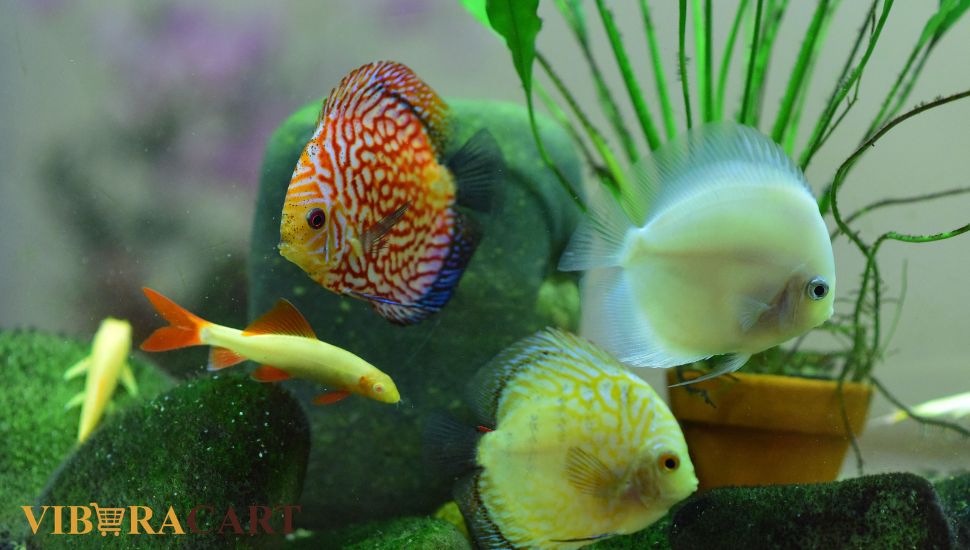
Build a Beautiful, Healthy, and Natural Aquarium Environment
Creating a stunning aquarium is about much more than adding colorful ornaments. A thoughtfully decorated fish tank recreates a natural habitat where fish can thrive while becoming an eye-catching centerpiece in your home or office. Whether you’re setting up your first aquarium or upgrading an existing one, the right combination of décor, plants, rocks, and lighting can completely transform the appearance of your tank.
Today’s aquarium enthusiasts are embracing aquascaping, a design approach that blends creativity with aquatic science. Instead of filling a tank with random decorations, aquascaping focuses on creating balanced underwater landscapes that support fish health and enhance visual appeal.
In this comprehensive guide, you’ll discover the top fish tank decoration ideas to transform your aquarium, learn how to choose fish-safe decorations, and explore expert decorating techniques suitable for beginners and experienced hobbyists alike.
Why Fish Tank Decorations Matter
Aquarium decorations do far more than make your tank look attractive. Every decorative element contributes to the health, comfort, and behavior of your aquatic life.
A well-designed aquarium provides hiding places, natural territories, resting areas, and visual stimulation that closely resemble the fish’s natural habitat.
Proper decoration also creates a balanced ecosystem where aquatic plants, beneficial bacteria, and fish coexist harmoniously.
1. Reduces Fish Stress
Fish naturally seek shelter when they feel threatened. Decorations such as caves, driftwood, dense plants, and rock formations provide secure hiding spots that help reduce stress.
Less stress means healthier fish, stronger immune systems, brighter colors, and more natural behavior.
2. Creates a Natural Habitat
Every fish species evolved in unique underwater environments.
For example:
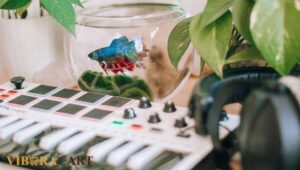
- Betta Fish prefer densely planted environments with floating vegetation.
- Cichlids enjoy rocky caves and hardscape formations.
- Angelfish thrive among tall aquatic plants.
- Goldfish require open swimming areas with smooth decorations.
Recreating these habitats allows fish to behave naturally while reducing aggression.
3. Improves Aquarium Appearance
A beautifully decorated aquarium becomes a living work of art.
Combining natural elements like Driftwood, Seiryu Stone, Dragon Stone, lush aquatic plants, and soft LED lighting creates depth, perspective, and visual harmony.
Instead of appearing cluttered, your aquarium becomes an underwater landscape.
4. Encourages Healthy Fish Behavior
Decorations encourage fish to:
- Explore
- Breed
- Hide
- Rest
- Establish territories
- Search for food naturally
Fish living in enriched environments are generally healthier and more active than those kept in bare tanks.
How to Choose the Right Fish Tank Decorations
Choosing aquarium décor involves more than selecting attractive ornaments. Every decoration should be safe, durable, easy to maintain, and suitable for your fish species.
Here are the most important factors to consider.
Consider Your Aquarium Size
Tank size determines how many decorative elements you can safely include.
A small nano aquarium can quickly become overcrowded, while larger aquariums allow more elaborate aquascaping.
General guideline:
| Tank Size | Decoration Style |
|---|---|
| 5–10 Gallons | Minimal décor |
| 20–40 Gallons | Balanced hardscape |
| 55–75 Gallons | Layered aquascape |
| 100+ Gallons | Nature-inspired landscape |
Avoid overcrowding, as fish need plenty of open swimming space.
Match Decorations to Your Fish Species
Different fish have different habitat requirements.
Betta Fish
- Floating plants
- Soft leaves
- Driftwood
- Small caves
Goldfish
- Smooth rocks
- Open spaces
- Rounded decorations
Cichlids
- Rock caves
- Large stones
- Territorial hiding places
Shrimp
- Java Moss
- Moss walls
- Driftwood
- Fine-leaf plants
Choosing decorations based on species promotes healthier behavior and reduces stress.
Freshwater vs. Saltwater Aquariums
Decoration requirements vary depending on your aquarium type.
Freshwater Aquariums
Common décor includes:
- Driftwood
- Lava Rock
- Java Fern
- Amazon Sword
- Aquarium Gravel
- Natural Sand
Saltwater Aquariums
Popular decorations include:
- Live Rock
- Artificial Coral
- Reef Structures
- Marine Sand
- Coral Decorations
Using decorations designed for your aquarium type helps maintain stable water chemistry.
Choose Fish-Safe Materials
Never place random household items inside an aquarium.
Safe materials include:
- Natural driftwood
- Aquarium-safe resin
- Ceramic caves
- Natural rocks
- Aquarium gravel
- Aquarium sand
Avoid:
- Painted ornaments
- Metal decorations
- Sharp plastics
- Untreated wood
- Limestone (unless appropriate for your setup)
Unsafe materials can release harmful substances or alter water chemistry.
Top Fish Tank Decoration Ideas
Let’s explore some of the best aquarium decoration ideas that combine beauty with functionality.
1. Natural Driftwood
Driftwood remains one of the most popular aquarium decorations among aquascaping enthusiasts.
It introduces natural texture while creating hiding spaces for fish and shrimp.
Popular varieties include:
- Malaysian Driftwood
- Spider Wood
- Mopani Wood
- Manzanita Wood
Benefits
- Creates a realistic underwater forest
- Supports beneficial bacteria
- Provides shelter
- Complements aquatic plants
- Adds depth to aquascapes
Driftwood pairs beautifully with Java Fern, Anubias, and Java Moss, which can be attached directly to its surface for a lush, natural appearance.
2. Live Aquarium Plants
Nothing transforms an aquarium like healthy, vibrant aquatic plants.
Live plants improve water quality while creating a more realistic environment.
Some beginner-friendly plants include:
- Java Fern
- Anubias
- Amazon Sword
- Vallisneria
- Cryptocoryne
- Marimo Moss Ball
Benefits of Live Plants
Produce oxygen
Absorb excess nutrients
Reduce algae growth
Improve water quality
Create natural hiding places
Support biological filtration
A planted aquarium offers both aesthetic beauty and environmental benefits, making it a favorite among experienced aquarists.
3. Aquarium Rocks
Rocks provide structure, texture, and stability within an aquarium.
Popular aquascaping stones include:
- Seiryu Stone
- Dragon Stone
- Lava Rock
- River Rock
Each type creates a unique visual effect while offering shelter for fish.
Aquascaping Tip
Arrange rocks in groups of varying sizes rather than placing them symmetrically. This creates a more natural and visually appealing underwater landscape.
For freshwater aquariums, always verify that rocks are aquarium-safe and won’t significantly alter water parameters.
4. Decorative Aquarium Caves
Fish naturally seek sheltered areas where they can rest and feel secure.
Ceramic caves, resin tunnels, and stacked rock formations provide excellent hiding spaces for territorial or shy species.
These decorations are especially beneficial for:
- Betta Fish
- Plecos
- Corydoras
- Cichlids
- Loaches
- Shrimp
Well-placed caves reduce stress, encourage breeding behavior, and help fish establish territories without excessive aggression.
5. Natural Aquarium Sand and Decorative Gravel
The substrate forms the foundation of every aquarium design.
Choosing the right substrate enhances both appearance and functionality.
Aquarium Sand
Ideal for:
- Corydoras
- Loaches
- Shrimp
- Natural aquascapes
Decorative Gravel
Available in various colors and sizes, decorative gravel is suitable for community aquariums and beginner setups.
For planted aquariums, nutrient-rich substrates combined with fine gravel can support healthy root development and long-term plant growth.
A well-chosen substrate ties together every decorative element, creating a cohesive and natural-looking underwater environment.
Creative Aquascaping Ideas, Fish-Specific Decorations & Common Mistakes to Avoid
we explored the importance of fish tank decorations, how to choose safe aquarium décor, and the essential hardscape elements like driftwood, live plants, aquarium rocks, caves, and substrates. Now it’s time to elevate your aquarium with advanced decoration ideas inspired by professional aquascaping.
Whether you’re designing a peaceful freshwater aquarium, a vibrant tropical fish tank, or a modern aquascape, the right decorative elements can transform your aquarium into a breathtaking underwater world while promoting healthier fish behavior.
6. Floating Aquarium Plants
Floating plants add a natural, calming appearance while offering practical benefits for your aquarium ecosystem.
Popular floating plants include:
- Amazon Frogbit
- Red Root Floater
- Water Lettuce
- Duckweed
- Salvinia
- Hornwort
These plants create shaded areas that mimic natural river habitats and make fish feel more secure.
Benefits of Floating Plants
Reduce stress in shy fish
Control excess light
Help reduce algae growth
Improve water quality
Absorb excess nutrients
Provide shelter for fry and shrimp
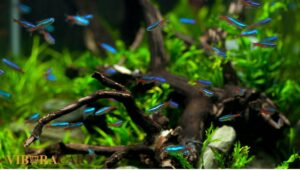
Floating plants are particularly beneficial for Betta Fish, Guppies, Neon Tetras, and other freshwater community species.
7. Moss Walls and Moss Carpets
Moss is one of the most versatile decorative elements in aquascaping.
Popular aquarium mosses include:
- Java Moss
- Christmas Moss
- Flame Moss
- Weeping Moss
These can be attached to rocks, driftwood, or mesh panels to create lush green walls or carpets.
Why Aquarists Love Moss
- Natural appearance
- Easy maintenance
- Safe for shrimp
- Excellent breeding surfaces
- Improves biological filtration
A moss-covered driftwood centerpiece instantly creates the look of a mature underwater forest.
8. Aquarium Backgrounds
Many hobbyists focus only on decorations inside the tank, but the background is equally important.
A quality aquarium background adds depth, hides equipment, and enhances the overall aesthetic.
Popular styles include:
- Black Background
- Frosted Background
- Rock Wall Design
- River Landscape
- Dense Forest Theme
- Underwater Reef Scene
Dark backgrounds often make fish colors appear brighter while creating a professional aquascaping effect.
9. LED Aquarium Lighting
Lighting dramatically influences how your aquarium looks.
Modern LED Aquarium Lights offer adjustable brightness, energy efficiency, and color customization.
Benefits include:
- Enhances fish coloration
- Supports plant growth
- Creates natural day-night cycles
- Highlights aquascaping details
- Improves aquarium visibility
For planted aquariums, choose full-spectrum LED lighting to encourage healthy plant growth without promoting excessive algae.
10. Artificial Coral and Decorative Ornaments
Although natural aquascaping is increasingly popular, artificial decorations still have their place—especially in themed aquariums.
Examples include:
- Artificial Coral
- Ceramic Temples
- Pirate Ships
- Bridges
- Tree Trunks
- Aquarium Statues
- Decorative Ruins
When selecting ornaments:
Ensure they are aquarium-safe.
Avoid sharp edges.
Choose non-toxic, fade-resistant materials.
Leave sufficient swimming space for fish.
A balanced mix of natural hardscape and tasteful ornaments creates an attractive aquarium without overwhelming it.
Top Aquascaping Styles to Transform Your Aquarium
Aquascaping is the art of arranging aquatic plants, rocks, driftwood, and substrates to create visually stunning underwater landscapes.
Here are five of the most popular styles.
Nature Aquarium Style
Inspired by rivers, forests, and mountain landscapes, the Nature Aquarium style uses:
- Driftwood
- Live plants
- Natural stones
- Open swimming areas
This style emphasizes harmony and closely mimics natural freshwater habitats.
Iwagumi Style
Originating in Japan, the Iwagumi style is known for its minimalist elegance.
Key characteristics include:
- Seiryu Stone
- Limited plant species
- Open space
- Clean layout
- Balanced rock placement
It is ideal for aquarists who appreciate simplicity and precision.
Dutch Aquarium Style
The Dutch style focuses on lush aquatic plant arrangements.
Features include:
- Colorful aquatic plants
- Layered planting
- Dense vegetation
- Minimal hardscape
- Strong depth perception
This approach resembles an underwater botanical garden and requires regular maintenance.
Jungle Aquarium Style
The Jungle style embraces a wild, overgrown look with abundant vegetation.
Typical elements include:
- Tall Vallisneria
- Amazon Sword
- Driftwood
- Floating plants
- Dense moss
This style creates excellent shelter for shy fish while offering a natural aesthetic.
Minimalist Aquascape
Minimalist aquascaping emphasizes clean lines and uncluttered layouts.
Core features:
- Few decorations
- Neutral substrate
- Strategic rock placement
- Limited plant species
- Open swimming space
This style works especially well in modern homes and offices.
Best Decorations for Different Fish Species
Different fish thrive in different environments. Decorating with their natural behaviors in mind promotes healthier, less stressed aquatic life.
Betta Fish
Recommended decorations:
- Floating plants
- Java Fern
- Driftwood
- Smooth caves
- Indian Almond Leaves
Avoid sharp plastic plants that can damage their delicate fins.
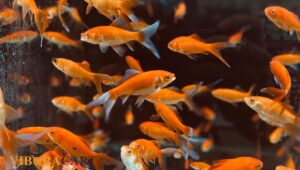
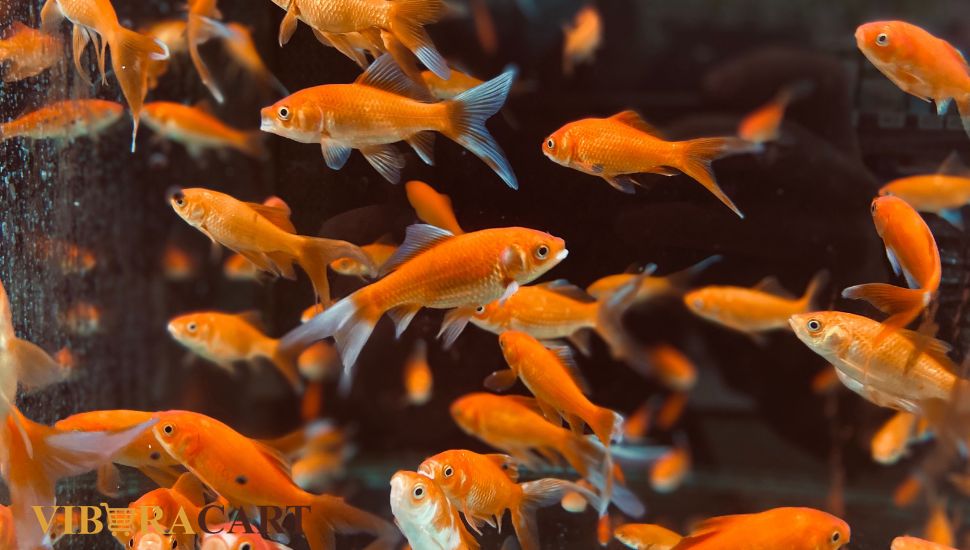
Goldfish
Goldfish require:
- Open swimming space
- Rounded rocks
- Smooth gravel
- Durable live plants like Anubias
Avoid small decorations they could accidentally swallow.
Cichlids
Cichlids are territorial and benefit from:
- Rock caves
- Lava Rock
- Ceramic shelters
- Stacked stone formations
These structures reduce aggression by creating defined territories.
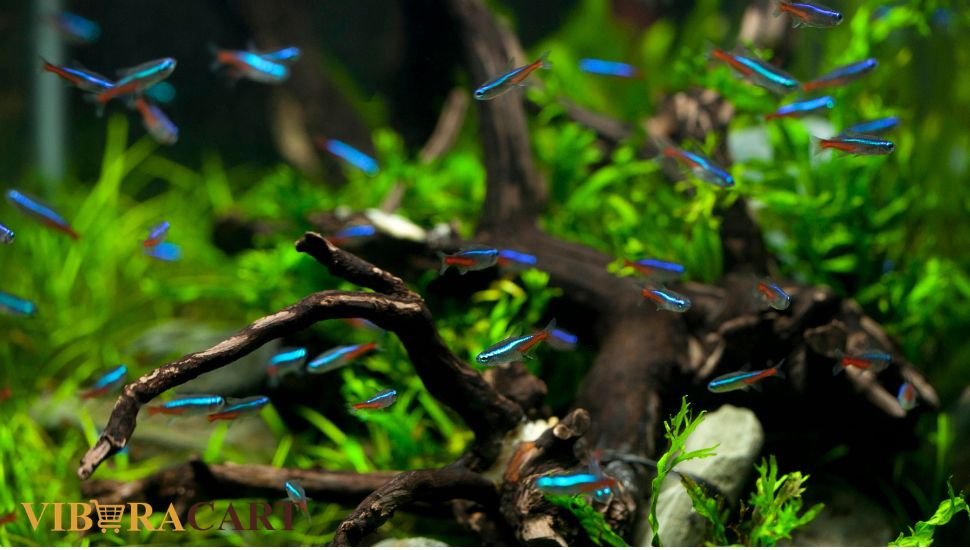
Neon Tetras and Guppies
Community fish enjoy:
- Dense aquatic plants
- Driftwood
- Floating vegetation
- Fine gravel
- Soft lighting
These decorations provide shelter while encouraging schooling behavior.
Shrimp Aquariums
Shrimp tanks benefit from:
- Java Moss
- Moss Balls
- Cholla Wood
- Fine substrate
- Small caves
These elements provide feeding surfaces and safe hiding places during molting.
Fish Tank Decoration Mistakes to Avoid
Even beautiful decorations can become problematic if they’re not chosen or arranged carefully.
Overcrowding the Aquarium
Too many ornaments reduce swimming space and make maintenance difficult.
Always leave enough open areas for fish to swim naturally.
Using Sharp Decorations
Sharp rocks or plastic ornaments may injure delicate fish such as:
- Bettas
- Angelfish
- Fancy Goldfish
Always inspect decorations before placing them in your aquarium.
Choosing Unsafe Materials
Never use decorations made from:
- Painted ceramics
- Untreated wood
- Rusted metal
- Household plastics
- Unknown rocks
Only purchase products labeled as aquarium-safe.
Ignoring Fish Behavior
A decoration that suits one species may stress another.
For example:
- Large open tanks can make Bettas feel exposed.
- Dense plants may restrict active swimmers like Goldfish.
- Cichlids require territorial structures, while Tetras prefer open schooling areas.
Research your fish species before decorating.
Blocking Water Flow and Filtration
Poor decoration placement can obstruct:
- Sponge Filters
- Canister Filter outlets
- Water circulation
- Oxygen exchange
Proper water movement helps maintain stable water quality and prevents debris buildup.
Aquarium Maintenance, Expert Tips, FAQs & Conclusion
A beautifully decorated aquarium isn’t just about choosing attractive ornaments it’s about creating a balanced aquatic ecosystem that remains healthy for years. Even the most stunning aquascape requires regular care to preserve water quality, support fish health, and maintain the beauty of your underwater landscape.
In this final section, you’ll learn how to maintain your aquarium decorations, prevent common problems, choose high-quality décor, and discover expert tips that will help your aquarium continue to thrive.
How to Maintain Fish Tank Decorations
Decorations naturally collect algae, organic waste, and biofilm over time. Regular maintenance keeps your aquarium looking pristine while protecting your fish from harmful water conditions.
Clean Decorations Regularly
Aquarium decorations should be inspected during routine water changes.
Depending on your tank conditions, clean decorations every 4–8 weeks.
Safe cleaning methods include:
- Rinse decorations with aquarium water removed during a water change.
- Use a soft brush to remove algae and debris.
- Clean glass with an aquarium-safe algae scraper.
- Remove accumulated waste beneath rocks and driftwood using a gravel vacuum.
Avoid using soap, detergent, bleach, or household cleaners, as even tiny residues can be harmful to fish and beneficial bacteria.
Prevent Algae Growth Naturally
Some algae are normal in a healthy aquarium, but excessive algae can cover plants, rocks, and decorations.
Tips to Control Algae
Limit aquarium lighting to 6–8 hours per day
Avoid overfeeding fish
Perform weekly water changes
Add live aquatic plants to absorb excess nutrients
Maintain proper filtration
Test water parameters regularly
Fish species such as Otocinclus, Bristlenose Plecos, and Amano Shrimp can also help manage algae naturally.
Maintain Healthy Water Quality
Even the most beautiful aquascape cannot compensate for poor water quality.
Regular testing helps maintain a stable environment.
Important water parameters include:
- pH
- Ammonia
- Nitrite
- Nitrate
- Temperature
- General Hardness (GH)
- Carbonate Hardness (KH)
Healthy water supports vibrant plants, beneficial bacteria, and active fish.
Rearrange Decorations Carefully
Occasionally changing your aquarium layout can provide enrichment for your fish and refresh the appearance of your tank.
However, avoid rearranging decorations too frequently.
Frequent changes can:
- Stress territorial fish
- Disturb beneficial bacteria
- Disrupt established habitats
- Increase aggression
Only redesign your aquascape when necessary or during major maintenance.
Why Quality Aquarium Decorations Matter
Not all aquarium decorations are created equal.
High-quality products are designed to be safe for aquatic life while lasting for years without affecting water chemistry.
Fish Safety
Premium decorations are made from non-toxic, aquarium-safe materials.
Look for products specifically designed for aquariums.
Avoid decorative items with:
- Sharp edges
- Loose paint
- Unknown coatings
- Metal components
- Unsafe plastics
Fish safety should always be your first priority.
Long-Term Durability
Quality decorations resist fading, cracking, and deterioration.
Natural hardscape materials such as Driftwood, Seiryu Stone, Dragon Stone, and Lava Rock often remain beautiful for many years with proper care.
Investing in durable décor reduces replacement costs and helps maintain a consistent aquascape.
Better Fish Behavior
Fish naturally behave differently in well-designed environments.
A thoughtfully decorated aquarium encourages:
- Natural exploration
- Breeding behavior
- Schooling
- Resting
- Territorial balance
- Reduced aggression
Healthy habitats lead to healthier fish.
Expert Tips for Creating a Stunning Aquarium
Professional aquascapers focus on balance rather than filling every empty space.
Here are a few proven design principles:
Create Depth
Place larger rocks and driftwood toward the back of the aquarium, with smaller plants and decorations toward the front to create a sense of perspective.
Use the Rule of Thirds
Instead of centering your main decoration, position your focal point about one-third from either side of the tank. This creates a more natural and visually appealing composition.
Mix Heights and Textures
Combine tall background plants, medium-height hardscape, and low-growing foreground plants to add dimension and interest.
Leave Open Swimming Areas
Fish need space to swim comfortably. Resist the urge to overcrowd the tank with ornaments.
Choose a Consistent Theme
A cohesive design feels more professional than mixing unrelated decorations.
Popular themes include:
- Nature Aquarium
- Jungle Aquascape
- Rocky River
- Minimalist Aquascape
- Tropical Community Tank
- Asian-Inspired Iwagumi
- Blackwater Biotope
Frequently Asked Questions
1. What are the best decorations for a fish tank ?
The best fish tank decorations include driftwood, live aquarium plants, Seiryu Stone, Dragon Stone, aquarium caves, natural sand, aquarium gravel, and LED lighting. These elements create a visually appealing aquarium while supporting fish health.
2. Are live plants better than artificial plants ?
Yes. Live plants help improve water quality by absorbing excess nutrients, producing oxygen, reducing algae growth, and providing natural shelter for fish. They also contribute to a more balanced and realistic aquatic ecosystem.
3. What decorations are safe for aquarium fish ?
Choose decorations specifically labeled as aquarium-safe, such as natural driftwood, ceramic caves, inert rocks, and non-toxic resin ornaments. Avoid painted items, metal objects, and decorations with sharp edges.
4. How often should aquarium decorations be cleaned ?
Most decorations should be cleaned every 4–8 weeks, depending on algae growth and waste buildup. Always rinse them with aquarium water rather than tap water to help preserve beneficial bacteria.
5. Can decorations affect water quality ?
Yes. Certain rocks, untreated wood, or low-quality ornaments can alter water chemistry or release harmful substances. Always use decorations that are suitable for your aquarium type and fish species.
Final Thoughts
Choosing the right decorations can completely transform your aquarium into a vibrant underwater landscape that is both beautiful and functional. From Driftwood, Java Fern, and Anubias to Dragon Stone, LED Aquarium Lights, and carefully selected substrates, every element plays a role in creating a balanced aquatic environment.
A successful aquarium combines creativity with responsible fishkeeping. By selecting fish-safe materials, following proven aquascaping principles, and maintaining excellent water quality, you’ll create a habitat where fish can thrive and your aquarium can become a captivating centerpiece.