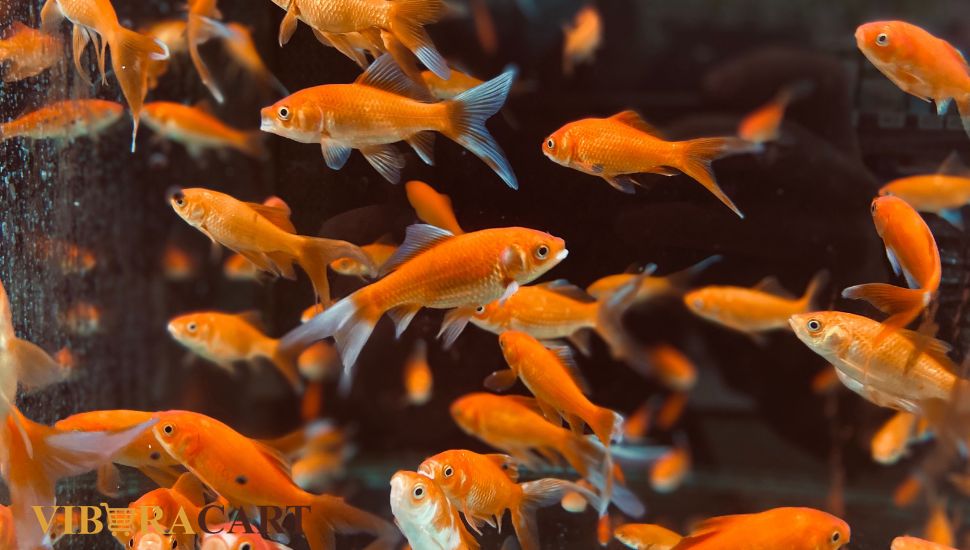
Complete Aquarium Care Guide: Everything You Need to Build and Maintain a Healthy Fish Tank
Creating a beautiful aquarium is one of the most rewarding hobbies for pet lovers. A well-maintained aquarium transforms any space into a peaceful environment while providing a healthy habitat for fish and aquatic plants. However, maintaining an aquarium involves much more than simply adding water and fish. Successful fish keeping requires careful planning, the right equipment, proper water management, and regular maintenance.
Whether you’re setting up your very first aquarium or looking to improve your existing fish tank, this complete aquarium care guide covers everything you need to know. From selecting the right aquarium to understanding water quality and maintaining healthy fish, you’ll learn practical strategies to build an aquarium that thrives for years.
What Is an Aquarium ?
An aquarium is a specially designed tank that recreates a natural aquatic environment for fish, plants, and other aquatic life. Modern aquariums use filtration systems, lighting, heating equipment, and water treatment solutions to maintain stable living conditions.
Aquariums come in various sizes, styles, and ecosystems, allowing hobbyists to create environments that closely resemble rivers, lakes, or oceans.
A healthy aquarium consists of several essential components:
- Clean and stable water
- Efficient filtration system
- Appropriate lighting
- Healthy aquatic plants
- Compatible fish species
- Balanced biological ecosystem
When these components work together, fish experience less stress and enjoy longer, healthier lives.
Why Proper Aquarium Care Matters
Proper aquarium care directly affects the health of your fish and the overall appearance of your tank. Poor water quality, inadequate filtration, and inconsistent maintenance can lead to algae growth, disease outbreaks, and fish loss.
A well-maintained aquarium offers several benefits:
Healthier Fish
Maintaining stable water conditions helps fish remain active, colorful, and resistant to disease. Healthy water parameters reduce stress and support natural behaviors.
Cleaner Water
Regular maintenance keeps the water crystal clear by removing excess waste, leftover food, and harmful toxins.
Longer Equipment Life
Routine cleaning of filters, heaters, and pumps improves their efficiency and extends their lifespan.
Better Plant Growth
Healthy aquatic plants absorb excess nutrients, improve oxygen levels, and create a more natural habitat for fish.
Enhanced Visual Appeal
A clean aquarium with vibrant fish and lush greenery becomes a stunning centerpiece for homes, offices, or commercial spaces.
Different Types of Aquariums
Choosing the right aquarium depends on your experience, budget, and the type of fish you want to keep.
Freshwater Aquarium
Freshwater aquariums are ideal for beginners because they are easier to maintain and generally require less equipment.
Popular freshwater fish include:
- Guppies
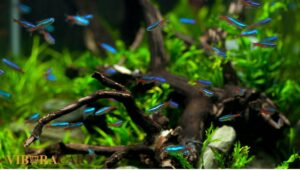
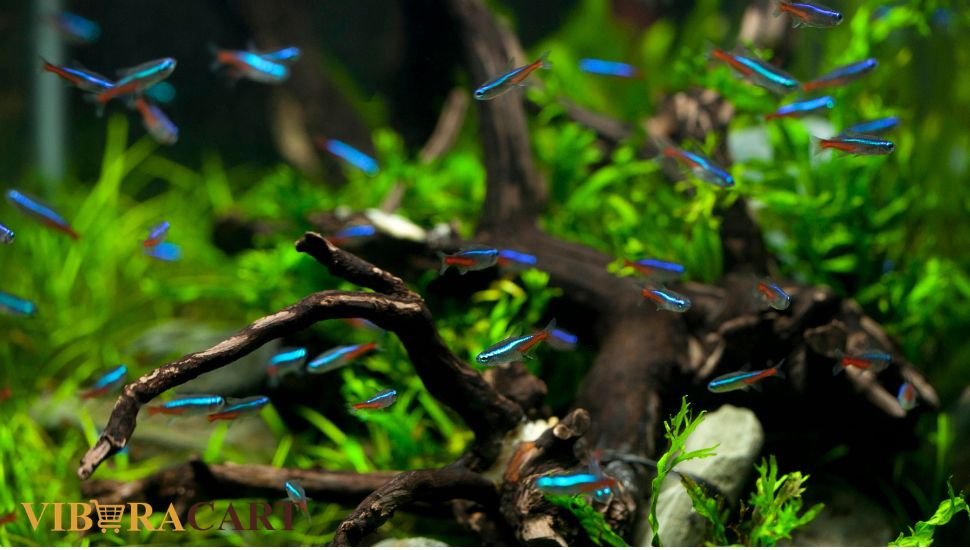
- Neon Tetras
- Mollies
- Platies
- Corydoras
- Angelfish
- Betta Fish
Freshwater aquariums are cost-effective and provide endless opportunities for beautiful aquascaping.
Saltwater Aquarium
Saltwater aquariums recreate marine environments and are home to colorful fish, coral reefs, and invertebrates.
Popular marine species include:
- Clownfish
- Blue Tang
- Gobies
- Wrasses
- Marine Shrimp
While visually stunning, saltwater aquariums require more advanced knowledge, precise water chemistry, and specialized equipment.
Planted Aquarium
A planted aquarium focuses on aquatic plants alongside compatible fish species.
Benefits include:
- Improved water quality
- Natural filtration
- Increased oxygen production
- Reduced algae growth
- Beautiful natural landscapes
Popular plants include:
- Java Fern
- Anubias
- Amazon Sword
- Vallisneria
- Java Moss
Community Aquarium
Community aquariums contain multiple peaceful fish species living together.
Choosing compatible fish helps reduce aggression while creating a colorful and active display.
How to Choose the Right Aquarium
Selecting the correct aquarium is one of the most important decisions for long-term success.
Aquarium Size
Larger aquariums are often easier to maintain because water parameters remain more stable.
Recommended sizes:
- 10–20 Gallons: Beginner tanks
- 20–40 Gallons: Community aquariums
- 50+ Gallons: Advanced setups
Glass vs Acrylic Aquariums
Glass Aquariums
- Scratch resistant
- Excellent clarity
- Durable
- Affordable
Acrylic Aquariums
- Lightweight
- Stronger than glass
- Better insulation
- Easier to customize
Choose the material that best fits your budget, location, and maintenance preferences.
Shape and Design
Modern aquariums are available in several styles:
- Rectangular Tanks
- Rimless Aquariums
- Bow Front Aquariums
- Cube Aquariums
- Corner Aquariums
Rectangular aquariums are generally recommended because they provide better swimming space and more efficient filtration.
Essential Aquarium Equipment
Every healthy aquarium relies on quality equipment to maintain stable water conditions.
Essential equipment includes:
- Aquarium Filter
- Aquarium Heater
- LED Lighting System
- Air Pump
- Water Conditioner
- Gravel Vacuum
- Aquarium Thermometer
- Fish Net
- Water Testing Kit
- Aquarium Stand
Investing in reliable equipment minimizes maintenance issues while creating a healthier environment for aquatic life.
Choosing the Best Location for Your Aquarium
Where you place your aquarium significantly affects water stability and fish health.
Choose a location that:
- Avoids direct sunlight
- Has easy access to electrical outlets
- Sits on a sturdy, level surface
- Maintains a stable room temperature
- Allows easy maintenance access
Avoid placing your aquarium near windows, heating vents, or frequently opened doors, as rapid temperature changes can stress fish.
Step-by-Step Aquarium Setup Guide Build a Healthy and Thriving Fish Tank
Setting up an aquarium correctly is the foundation of long-term success. Rushing the process often leads to poor water quality, stressed fish, algae outbreaks, and disease. By following a structured setup process, you can create a stable ecosystem where fish and aquatic plants thrive.
Step 1: Choose the Right Aquarium Size
Many beginners assume that smaller aquariums are easier to maintain, but the opposite is often true. Larger tanks provide greater water stability and are more forgiving of minor mistakes.
Recommended Aquarium Sizes
| Experience Level | Recommended Size |
|---|---|
| Beginner | 20–30 Gallons |
| Intermediate | 40–75 Gallons |
| Advanced | 75+ Gallons |
Larger aquariums allow beneficial bacteria to establish more effectively and reduce sudden fluctuations in water parameters.
Step 2: Install Essential Aquarium Equipment
A healthy aquarium depends on high-quality equipment working together to maintain a balanced aquatic environment.
Aquarium Filter
The filtration system is considered the heart of every aquarium because it removes debris, supports beneficial bacteria, and keeps water clean.
Popular filter types include:
- Hang-on-Back (HOB) Filters
- Canister Filters
- Internal Filters
- Sponge Filters
Benefits
- Removes waste
- Supports biological filtration
- Improves water clarity
- Increases oxygen circulation
Aquarium Heater
Most tropical fish require a stable water temperature between 24°C and 27°C (75°F–80°F).
A reliable heater prevents sudden temperature fluctuations that may stress aquatic life.
LED Aquarium Lighting
Lighting supports both fish health and aquatic plant growth.
Benefits include:
- Better plant photosynthesis
- Enhanced fish coloration
- Lower energy consumption
- Longer lifespan
Modern LED systems also allow programmable daylight and nighttime cycles.
Air Pump
An air pump increases oxygen levels by improving water circulation.
Although not required for every aquarium, it is highly beneficial for tanks with high fish populations.
Water Conditioner
Tap water often contains chlorine and chloramine, which are harmful to fish.
Always treat new water with a high-quality water conditioner before adding it to your aquarium.
Step 3: Add Aquarium Substrate
The substrate forms the foundation of your aquarium ecosystem.
Common substrate options include:
Gravel
- Easy to clean
- Beginner-friendly
- Excellent for freshwater community tanks
Aquarium Sand
- Ideal for bottom-dwelling fish
- Creates a natural appearance
- Suitable for planted aquariums
Nutrient-Rich Plant Soil
- Supports rooted aquatic plants
- Encourages healthy root development
- Improves long-term plant growth
Rinse the substrate thoroughly before placing it inside the tank to remove dust and debris.
Step 4: Install Decorations and Hardscape
Aquarium decorations are more than visual enhancements—they provide shelter, reduce fish stress, and create natural territories.
Popular hardscape materials include:
- Natural Driftwood
- Dragon Stone
- Lava Rock
- River Stones
- Aquarium Caves
Avoid decorations with sharp edges that could injure fish.
Best Aquarium Plants for Beginners
Live plants improve water quality while creating a more natural ecosystem.
Recommended beginner plants include:
- Java Fern
- Anubias Nana
- Amazon Sword
- Java Moss
- Vallisneria
- Water Wisteria
- Hornwort
- Cryptocoryne
Benefits of Live Plants
- Absorb excess nutrients
- Produce oxygen
- Reduce algae growth
- Create hiding places
- Improve water quality naturally
Understanding the Nitrogen Cycle
One of the most important concepts in aquarium care is the Nitrogen Cycle.
Fish produce waste that releases ammonia, a toxic substance.
Beneficial bacteria naturally convert:
Ammonia → Nitrite → Nitrate
This biological filtration process keeps fish safe by removing harmful toxins.
Cycling an aquarium before adding fish allows these bacteria to establish and creates a stable aquatic environment.
How to Cycle Your Aquarium
Fishless Cycling
This is the safest and most recommended method.
Steps include:
- Fill the aquarium with conditioned water.
- Start the filter and heater.
- Add a source of ammonia.
- Introduce beneficial bacteria.
- Test water parameters regularly.
- Wait until ammonia and nitrite levels reach zero before adding fish.
Cycling usually takes 3–6 weeks, depending on water conditions and bacterial growth.
Aquarium Water Quality
Maintaining stable water chemistry is essential for fish health.
Important parameters include:
Temperature
Maintain a consistent range suitable for your fish species.
pH Level
Most freshwater community fish thrive between 6.8 and 7.8.
Ammonia
Safe Level:
0 ppm
Even small amounts can be toxic.
Nitrite
Safe Level:
0 ppm
Nitrite reduces oxygen transport in fish and should always remain at zero.
Nitrate
Recommended:
Less than 20 ppm
Regular water changes help control nitrate levels.
How to Test Aquarium Water
Use a reliable aquarium test kit to monitor:
- pH
- Ammonia
- Nitrite
- Nitrate
- General Hardness (GH)
- Carbonate Hardness (KH)
Testing water weekly allows you to detect issues before they affect your fish.
Choosing the Right Fish
Selecting compatible fish species prevents stress and aggression.
Beginner-Friendly Fish
- Neon Tetra
- Guppy
- Molly
- Platy
- Corydoras Catfish
- Zebra Danio
- Cherry Barb
- Harlequin Rasbora
These species are hardy, peaceful, and adapt well to community aquariums.
Fish Tank Decoration Ideas
Decorating your aquarium enhances both aesthetics and fish well-being.
Popular decoration themes include:
Nature-Inspired Aquascape
- Driftwood
- Moss
- River Stones
- Live Plants
Minimalist Aquarium
- White Sand
- Smooth Rocks
- Sparse Greenery
- Open Swimming Space
Tropical Aquascape
- Dense Plants
- Natural Roots
- Colorful Community Fish
Modern Aquascape
- Clean Layout
- Black Background
- LED Lighting
- Carefully Positioned Hardscape
Thoughtful decoration creates hiding spots, reduces stress, and encourages natural fish behavior.
Common Beginner Aquarium Mistakes
Avoid these common mistakes to ensure a healthy and thriving aquarium:
- Adding too many fish at once
- Skipping the nitrogen cycling process
- Overfeeding fish
- Ignoring water quality testing
- Cleaning the filter too aggressively
- Using untreated tap water
- Mixing incompatible fish species
- Placing the aquarium in direct sunlight
- Performing irregular water changes
- Buying fish without researching their care requirements
By avoiding these mistakes, you can maintain a stable ecosystem and significantly improve the health and lifespan of your aquatic life.
Complete Aquarium Maintenance Checklist
Consistent maintenance is the key to a healthy aquarium. Instead of waiting until problems appear, establish a routine that keeps your fish, plants, and equipment in excellent condition.
Daily Aquarium Maintenance
- Feed fish the correct amount of food.
- Observe fish behavior for signs of illness.
- Check water temperature.
- Ensure the filter and heater are functioning properly.
- Remove uneaten food within a few minutes.
Weekly Aquarium Maintenance
- Test water parameters (pH, ammonia, nitrite, nitrate).
- Clean algae from the aquarium glass.
- Perform a 20–30% water change.
- Vacuum the substrate to remove waste.
- Inspect plants and remove dead leaves.
Monthly Aquarium Maintenance
- Rinse filter media using aquarium water.
- Inspect airline tubing and pumps.
- Check aquarium lighting performance.
- Trim live plants as needed.
- Examine decorations for algae buildup.
- Verify all equipment is operating efficiently.
Following this maintenance schedule helps create a balanced ecosystem while minimizing stress for aquatic life.
How to Feed Aquarium Fish Properly
Proper nutrition is essential for maintaining healthy, active, and colorful fish.
Best Feeding Practices
- Feed fish once or twice daily.
- Offer only the amount they can consume within 2–3 minutes.
- Rotate different food types for balanced nutrition.
- Remove excess food to prevent water contamination.
Common Fish Foods
- Flakes
- Pellets
- Freeze-Dried Foods
- Frozen Foods
- Live Foods
- Algae Wafers
- Vegetable-Based Foods
Providing a varied diet strengthens the immune system and supports natural growth.
Common Aquarium Diseases and Prevention
Even a well-maintained aquarium may occasionally experience health issues. Early detection and proper care are essential.
Ich (White Spot Disease)
Symptoms
- Small white spots on the body and fins
- Rubbing against decorations
- Rapid breathing
Prevention
- Quarantine new fish
- Maintain stable water quality
- Avoid sudden temperature changes
Fin Rot
Symptoms
- Frayed fins
- Red or inflamed edges
- Reduced activity
Prevention
- Perform regular water changes
- Maintain excellent water quality
- Avoid overcrowding
Swim Bladder Disorder
Symptoms
- Difficulty swimming
- Floating sideways
- Loss of balance
Prevention
- Avoid overfeeding
- Feed high-quality foods
- Maintain stable water conditions
Fungal Infections
Symptoms
- White cotton-like patches
- Loss of appetite
- Slow movement
Prevention
- Keep water clean
- Remove injured fish if necessary
- Avoid stress caused by poor water quality
Expert Aquarium Care Tips
Experienced aquarists follow proven practices that help maintain a thriving aquarium.
Allow the Aquarium to Mature
Avoid rushing the setup process. Let beneficial bacteria establish naturally before introducing fish.
Stock Fish Gradually
Introduce only a few fish at a time to avoid overwhelming the biological filtration system.
Maintain Stable Water Parameters
Fish adapt better to consistent water conditions than to frequent fluctuations.
Avoid Overstocking
Overcrowding increases waste production, stresses fish, and reduces oxygen levels.
Quarantine New Fish
Keep newly purchased fish in a separate quarantine tank for 2–4 weeks before introducing them to your main aquarium.
Use High-Quality Equipment
Reliable filters, heaters, lighting systems, and water testing kits reduce maintenance issues and improve long-term aquarium health.
Smart Aquarium Technology
Modern aquarium technology makes fish keeping easier than ever.
Popular smart aquarium devices include:
- Wi-Fi Aquarium Thermometers
- Smart LED Lighting Systems
- Automatic Fish Feeders
- Smart Water Monitors
- Digital pH Testers
- Bluetooth Aquarium Controllers
- Automatic Water Top-Off Systems
These technologies help automate routine tasks while maintaining stable environmental conditions.
Benefits of Following a Complete Aquarium Care Guide
Investing time in proper aquarium care offers long-term advantages.
Healthy Fish
Stable water conditions reduce disease and promote natural behavior.
Cleaner Water
Routine maintenance keeps the aquarium crystal clear.
Beautiful Aquascapes
Healthy plants and well-maintained decorations create visually stunning displays.
Reduced Maintenance Costs
Preventive care minimizes expensive equipment replacements and fish losses.
Greater Enjoyment
A thriving aquarium provides a relaxing and rewarding experience for hobbyists of all skill levels.
Frequently Asked Questions (FAQs)
1. What is the best aquarium size for beginners ?
A 20 to 30-gallon freshwater aquarium is ideal for beginners because it provides stable water conditions while offering enough space for a small community of fish.
2. How often should I clean my aquarium ?
Perform a 20–30% water change every week, clean algae from the glass, vacuum the substrate, and inspect equipment regularly. Avoid replacing all the water at once, as this can disrupt the aquarium’s biological balance.
3. How long should I cycle an aquarium before adding fish ?
Most aquariums require 3 to 6 weeks to complete the nitrogen cycle. Always test for 0 ppm ammonia and 0 ppm nitrite before introducing fish.
4. Which aquarium plants are best for beginners ?
Easy-to-grow aquatic plants include:
- Java Fern
- Anubias
- Amazon Sword
- Java Moss
- Vallisneria
- Hornwort
These plants require minimal care while improving water quality.
5. What is the biggest mistake beginner aquarium owners make ?
The most common mistake is adding fish before the aquarium has fully cycled. This exposes fish to toxic ammonia and nitrite levels, increasing stress and the risk of disease.
Conclusion
Building and maintaining a healthy aquarium is a rewarding journey that combines knowledge, patience, and consistency. By choosing the right aquarium, using quality equipment, cycling the tank properly, monitoring water quality, and following a regular maintenance routine, you can create a thriving aquatic ecosystem that supports healthy fish and vibrant plants.
Whether you’re setting up your first freshwater aquarium or enhancing an existing fish tank, following this Complete Aquarium Care Guide will help you avoid common mistakes, improve water quality, and enjoy a beautiful, low-stress aquarium for years to come. With proper care and attention, your aquarium can become a stunning centerpiece that brings life, relaxation, and natural beauty into your home or office.