Introduction
Creating your first aquarium is an exciting experience that combines creativity, responsibility, and a love for aquatic life. Whether you want a peaceful freshwater aquarium in your living room or a vibrant aquascape filled with colorful fish and live plants, proper planning is the key to long-term success.
This Aquarium Setup Guide is designed to help beginners understand every essential step of building and maintaining a healthy aquarium. From selecting the right tank size and filtration system to choosing compatible fish, live plants, and decorative elements, you’ll learn how to create an environment where aquatic life can thrive.
A well-maintained aquarium is much more than a decorative feature. It becomes a balanced ecosystem where fish, beneficial bacteria, aquatic plants, and water chemistry work together to support healthy aquatic life. Understanding this balance helps prevent common problems such as cloudy water, algae growth, stressed fish, and poor water quality.
Many first-time aquarium owners make the mistake of purchasing fish before their aquarium is fully prepared. Without proper filtration, water conditioning, and biological cycling, fish are exposed to harmful toxins that can lead to illness or even death. Taking the time to set up your aquarium correctly ensures a healthier environment and reduces maintenance in the future.
Throughout this guide, you’ll discover expert tips on selecting the best aquarium equipment, maintaining stable water conditions, decorating your tank naturally, and caring for your fish with confidence. Whether you’re interested in freshwater tropical fish or creating a lush planted aquarium, this comprehensive guide will help you start your aquarium journey the right way.
What Is an Aquarium Setup ?
An aquarium setup is the complete process of designing, assembling, and preparing an aquatic habitat that supports healthy fish, plants, and beneficial microorganisms. It involves much more than simply filling a glass tank with water. Every component from filtration and lighting to substrate and water chemistry plays an important role in maintaining a stable ecosystem.
A successful aquarium setup includes:
- Choosing the right aquarium size
- Installing a reliable filtration system
- Maintaining proper water temperature
- Adding suitable substrate
- Decorating with rocks, driftwood, and aquatic plants
- Cycling the aquarium before adding fish
- Monitoring water quality regularly
When these elements work together, they create a balanced environment that supports healthy fish growth, vibrant plants, and cleaner water.
Why Proper Aquarium Setup Matters
A properly planned aquarium provides numerous benefits for both fish and aquarium owners. It reduces maintenance, improves water quality, and creates a visually appealing display that can be enjoyed for years.
Healthier Fish
Fish thrive in stable environments with clean water, adequate oxygen, and consistent temperatures. Proper filtration and biological cycling help reduce stress and lower the risk of disease.
Better Water Quality
A high-quality filtration system removes waste, supports beneficial bacteria, and keeps ammonia and nitrite levels under control, ensuring a safe habitat for aquatic life.
Easier Maintenance
An organized aquarium with the right equipment requires less frequent cleaning and is easier to manage over time.
Beautiful Aquascape
Combining live plants, natural rocks, driftwood, and carefully selected decorations creates an attractive underwater landscape that enhances the beauty of your home or office.
Long-Term Cost Savings
Investing in quality equipment during the initial setup reduces the need for frequent replacements and helps prevent expensive problems caused by poor water conditions.
Essential Equipment for a Successful Aquarium Setup
Before adding fish, gather the necessary equipment to create a stable and healthy environment.
1. Aquarium Tank
The aquarium itself is the foundation of your setup. Beginners are generally encouraged to choose a larger tank because it provides more stable water conditions and is easier to maintain than very small aquariums.
Popular sizes include:
- 20-Gallon Aquarium
- 29-Gallon Aquarium
- 40-Gallon Breeder Tank
- 55-Gallon Aquarium
Larger tanks dilute waste more effectively, making it easier to maintain healthy water parameters.
2. Aquarium Filter
A quality filter is one of the most important pieces of equipment in any aquarium.
Its primary functions include:
- Removing debris
- Supporting beneficial bacteria
- Improving water circulation
- Maintaining oxygen levels
- Breaking down harmful toxins
Common filter types include:
- Hang-on-Back (HOB) Filters
- Canister Filters
- Sponge Filters
- Internal Filters
Choose a filter rated for a tank slightly larger than your aquarium to ensure efficient filtration.
3. Aquarium Heater
Most tropical freshwater fish require a stable water temperature between 24°C and 27°C (75°F–80°F).
An adjustable heater helps maintain consistent temperatures and prevents sudden fluctuations that can stress fish.
4. LED Aquarium Lighting
Lighting is essential for both aesthetics and plant growth.
Benefits include:
- Supports photosynthesis
- Enhances fish colors
- Creates natural day-night cycles
- Improves aquarium appearance
For planted tanks, full-spectrum LED lights are highly recommended.
5. Aquarium Substrate
The substrate forms the base of your aquarium and supports plant roots while contributing to the overall design.
Popular choices include:
- Aquarium Gravel
- Natural Sand
- Nutrient-Rich Plant Soil
- Decorative Pebbles
Select a substrate based on the needs of your fish and whether you plan to keep live plants.
6. Water Conditioner
Tap water often contains chlorine and chloramine, which can be harmful to fish.
A water conditioner neutralizes these chemicals, making the water safe for aquatic life before it enters the aquarium.
7. Aquarium Thermometer
A thermometer allows you to monitor water temperature accurately, ensuring a stable environment for your fish.
Digital thermometers provide precise readings and are easy to use.
Choosing the Right Location for Your Aquarium
The placement of your aquarium plays a significant role in its long-term success.
Choose a location that:
- Is level and sturdy
- Can support the tank’s full weight
- Is away from direct sunlight
- Has easy access to electrical outlets
- Is free from excessive vibrations
- Maintains a stable room temperature
Avoid placing the aquarium near windows or heating vents, as fluctuating temperatures and excess sunlight can encourage algae growth and stress aquatic life.
Part 2: Step-by-Step Aquarium Setup Guide
Setting up an aquarium correctly is one of the most important steps toward keeping healthy fish and maintaining crystal-clear water. Following the proper sequence helps establish a balanced ecosystem, reduces maintenance, and prevents common beginner mistakes.
Step 1: Clean the Aquarium
Before adding any equipment or decorations, rinse the aquarium thoroughly using clean water.
Important: Never use soap, detergent, or chemical cleaners, as even small residues can be harmful to fish.
Also rinse:
- Gravel or sand
- Rocks
- Driftwood
- Decorations
- Artificial plants
Cleaning everything before installation helps remove dust and debris.
Step 2: Add the Substrate
The substrate forms the foundation of your aquarium and supports beneficial bacteria, plant roots, and decorations.
Popular substrate options include:
Aquarium Gravel
Best for:
- Community tanks
- Goldfish
- Beginner aquariums
Benefits:
- Easy to clean
- Good water circulation
- Affordable
Aquarium Sand
Ideal for:
- Corydoras Catfish
- Loaches
- Shrimp Tanks
Benefits:
- Natural appearance
- Gentle on bottom-dwelling fish
Nutrient-Rich Plant Soil
Perfect for planted aquariums.
Benefits:
- Supports root growth
- Provides nutrients
- Encourages healthy aquatic plants
A substrate depth of 2–3 inches is suitable for most freshwater aquariums.
Step 3: Install Aquarium Equipment
Before adding water, install all essential equipment.
Install the Filter
The filter keeps water clean by removing waste and supporting beneficial bacteria.
Position the filter according to the manufacturer’s instructions to ensure proper water circulation.
Install the Heater
Place the heater near the filter outlet where water movement distributes heat evenly.
Wait at least 20–30 minutes after placing the heater in water before turning it on to prevent damage.
Install the Thermometer
Position the thermometer on the opposite side of the heater to monitor the overall water temperature accurately.
Install LED Lighting
Secure the aquarium light above the tank.
If you’re planning a planted aquarium, use a full-spectrum LED light and provide 6–8 hours of lighting daily to support healthy plant growth while minimizing algae.
Step 4: Add Decorations
Decorations create hiding places, reduce fish stress, and enhance the beauty of your aquarium.
Popular decoration ideas include:
- Natural driftwood
- Lava rocks
- River stones
- Aquarium caves
- Ceramic ornaments
- Live plants
- Artificial plants
Arrange decorations with open swimming areas while providing plenty of shelter for fish.
Avoid overcrowding the aquarium with ornaments.
Step 5 Fill the Aquarium with Water
Slowly add conditioned water into the aquarium.
Place a small plate or plastic bag on the substrate while pouring water to prevent disturbing the gravel or sand.
Always treat tap water with a high-quality water conditioner before adding it to the aquarium.
Step 6: Start the Equipment
Once the tank is filled:
- Turn on the filter
- Switch on the heater
- Check the thermometer
- Turn on the lighting
Allow all equipment to run continuously.
Monitor:
- Water circulation
- Heater performance
- Filter operation
- Water clarity
Everything should operate smoothly before adding fish.
Understanding Aquarium Cycling
One of the biggest mistakes beginners make is adding fish immediately after setting up the aquarium.
A new aquarium must first complete the Nitrogen Cycle, which establishes beneficial bacteria capable of breaking down toxic waste.
Without cycling, dangerous chemicals accumulate and can seriously harm or kill fish.
What Is the Nitrogen Cycle ?
Fish produce waste that releases ammonia, a highly toxic compound.
Beneficial bacteria naturally convert:
Ammonia → Nitrite → Nitrate
Finally, nitrates are removed through:
- Water changes
- Live aquatic plants
- Healthy biological filtration
This natural biological process creates a safe and stable environment for aquatic life.
Fishless Cycling
The safest method is Fishless Cycling.
Benefits include:
- No stress on fish
- Strong bacterial colonies
- Better water stability
- Lower risk of fish loss
Fishless cycling typically takes 3–6 weeks, depending on temperature, filter media, and bacterial growth.
Important Water Parameters
Maintaining proper water chemistry is essential for healthy fish.
Temperature
Most tropical freshwater fish thrive between:
24°C–27°C (75°F–80°F)
Cold-water species such as goldfish require lower temperatures.
pH Level
Freshwater community aquariums generally perform well within:
6.5–7.5
Research the preferred pH range for each fish species before stocking your aquarium.
Ammonia
Safe level:
0 ppm
Any detectable ammonia is harmful to fish.
Nitrite
Safe level:
0 ppm
Nitrite interferes with oxygen transport in fish and should always remain at zero.
Nitrate
Recommended level:
Below 20–40 ppm
Regular water changes help control nitrate buildup.
Best Aquarium Plants for Beginners
Live plants improve water quality, provide oxygen, absorb excess nutrients, and create natural hiding places.
Excellent beginner-friendly choices include:
Java Fern
Benefits:
- Easy to maintain
- Low-light tolerant
- Slow-growing
- Beginner-friendly
Anubias
Benefits:
- Hardy
- Beautiful broad leaves
- Low maintenance
- Doesn’t require nutrient-rich substrate
Amazon Sword
Benefits:
- Excellent background plant
- Fast growth
- Improves water quality
Java Moss
Benefits:
- Ideal for shrimp tanks
- Easy propagation
- Natural appearance
Vallisneria
Benefits:
- Creates a lush underwater forest
- Beginner-friendly
- Rapid growth
Choosing Beginner-Friendly Fish
Not every fish species is suitable for new aquarium owners.
Some of the easiest freshwater fish include:
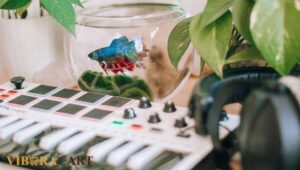
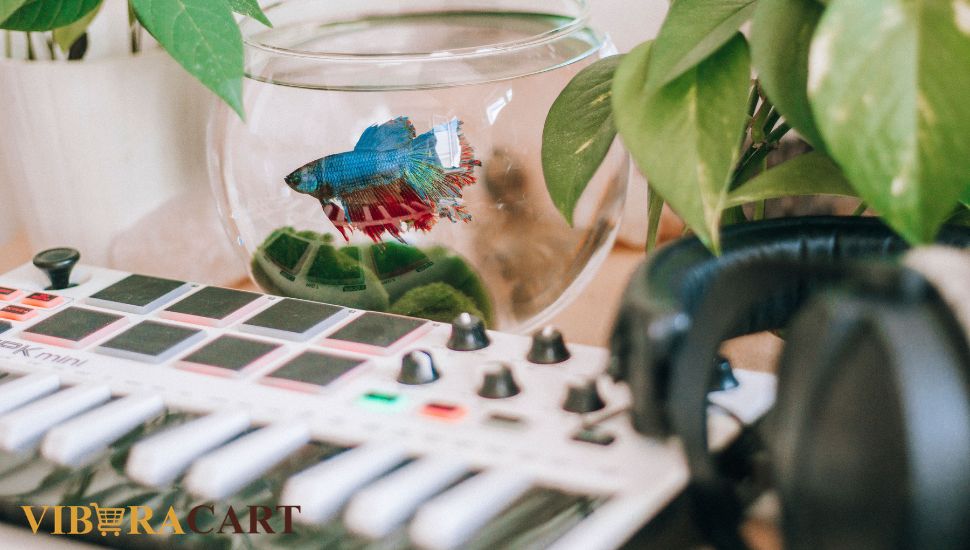
Betta Fish
Known for vibrant colors and unique personalities.
Best kept alone or with carefully selected tank mates.
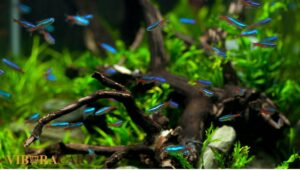
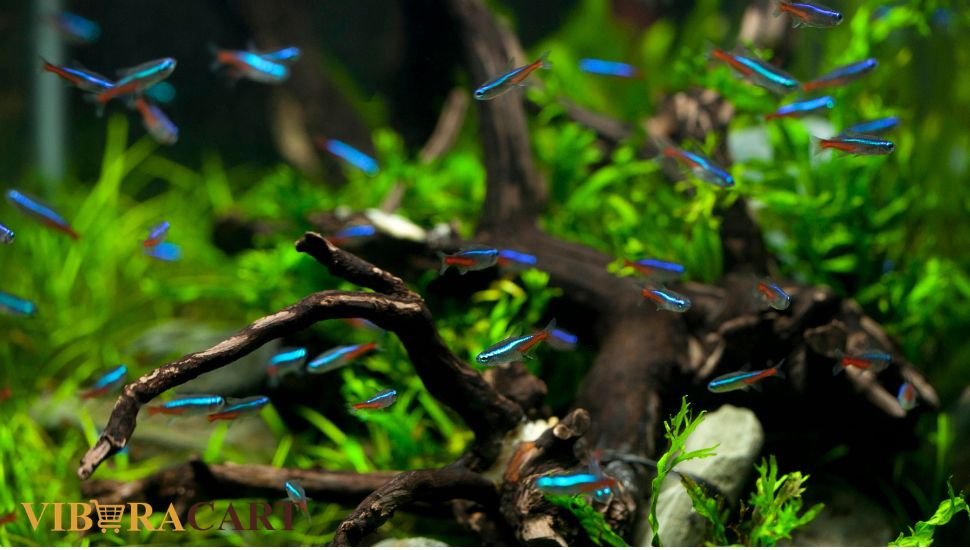
Neon Tetras
Peaceful schooling fish that thrive in groups of six or more.
Perfect for community aquariums.
Guppies
Colorful, active, and easy to care for.
Excellent for beginners.
Corydoras Catfish
Peaceful bottom dwellers that help consume leftover food.
Prefer groups of at least five.
Zebra Danios
Hardy fish that adapt well to new aquariums.
Ideal for beginner hobbyists.
Platies
Friendly community fish available in many attractive colors.
Easy to breed and maintain.
Fish Tank Decoration Ideas
A beautifully designed aquarium mimics nature while providing comfort for its inhabitants.
Popular decoration styles include:
Nature Aquascape
- Driftwood
- Live plants
- River stones
- Moss
Rocky Landscape
- Slate rocks
- Lava rocks
- Sand substrate
Excellent for African Cichlids.
Jungle Aquarium
Dense vegetation with Amazon Swords, Java Fern, and Vallisneria creates a lush tropical environment.
Minimalist Aquascape
Simple layouts with open swimming space, carefully positioned stones, and a few plants provide a modern appearance.
Common Aquarium Setup Mistakes to Avoid
Many beginners experience avoidable issues due to common setup errors.
Avoid these mistakes:
- Adding fish before cycling the aquarium
- Overstocking the tank
- Overfeeding fish
- Skipping water testing
- Choosing incompatible fish species
- Ignoring water changes
- Cleaning the filter with untreated tap water
- Leaving aquarium lights on too long
- Buying fish without researching their care requirements
By avoiding these mistakes, you’ll create a healthier, more stable aquarium that is easier to maintain over time.
Aquarium Maintenance Schedule
A healthy aquarium requires consistent maintenance to keep fish, plants, and beneficial bacteria thriving. Following a routine helps maintain excellent water quality and prevents common issues like algae growth, cloudy water, and fish diseases.
Daily Maintenance
Spend just 5–10 minutes each day to:
- Feed fish the correct amount
- Observe fish behavior
- Check water temperature
- Ensure the filter and heater are working properly
- Remove uneaten food
- Inspect aquarium lighting
Daily observation helps identify potential problems before they become serious.
Weekly Maintenance
Perform these tasks every week:
- Test water parameters
- Change 20–30% of the aquarium water
- Clean the aquarium glass
- Trim dead plant leaves
- Vacuum the substrate
- Remove algae buildup
- Check decorations for debris
Regular water changes remove excess nitrates and replenish essential minerals.
Monthly Maintenance
Once a month, perform deeper maintenance:
- Clean filter media using old aquarium water
- Inspect the heater and thermometer
- Check lighting performance
- Prune live plants
- Reposition decorations if needed
- Inspect air pumps and tubing
- Replace activated carbon (if applicable)
Avoid replacing all filter media at once, as this can remove beneficial bacteria essential for biological filtration.
Expert Fish Care Tips
Healthy fish depend on more than clean water. Proper nutrition, stress reduction, and regular observation all contribute to their well-being.
Feed the Right Amount
Overfeeding is one of the leading causes of poor water quality.
Feed only what your fish can consume within 2–3 minutes, once or twice daily.
Avoid Overstocking
Adding too many fish increases waste production and reduces water quality.
Always research the adult size and compatibility of each species before purchasing.
Quarantine New Fish
Before introducing new fish into your aquarium, quarantine them for 2–4 weeks in a separate tank.
This helps prevent diseases and parasites from spreading to your established aquarium.
Monitor Fish Behavior
Healthy fish are active, alert, and display vibrant colors.
Watch for signs such as:
- Loss of appetite
- Rapid breathing
- Clamped fins
- White spots
- Erratic swimming
- Hiding constantly
Early detection allows for faster treatment and better recovery.
Benefits of Live Aquarium Plants
Live aquatic plants are more than decorative additions—they improve the overall health and stability of your aquarium.
Improve Water Quality
Plants naturally absorb nitrates and other nutrients that could otherwise encourage algae growth.
Increase Oxygen Levels
During photosynthesis, aquatic plants release oxygen, creating a healthier environment for fish.
Reduce Fish Stress
Dense vegetation provides natural hiding places, making fish feel more secure and reducing aggressive behavior.
Support Beneficial Bacteria
Plant roots and leaves provide additional surfaces where beneficial bacteria can grow, strengthening biological filtration.
Create Natural Beauty
Live plants enhance the appearance of any aquarium, transforming it into a vibrant underwater landscape.
Essential Aquarium Accessories
The right accessories improve aquarium management and simplify maintenance.
Recommended accessories include:
- Water Test Kit
- Gravel Vacuum
- Fish Net
- Aquarium Timer
- Algae Scraper
- Magnetic Glass Cleaner
- Automatic Fish Feeder
- Air Pump
- Air Stones
- CO₂ System (for planted tanks)
- Water Conditioner
- Aquarium Thermometer
- Plant Fertilizer
- Aquarium Background
- Maintenance Bucket
Investing in quality accessories makes routine care easier and contributes to a healthier aquarium.
Frequently Asked Questions (FAQs)
1. What is the best aquarium size for beginners ?
A 20 to 30-gallon aquarium is ideal because it offers more stable water conditions and is easier to maintain than smaller tanks.
2. How long should I cycle my aquarium ?
A fishless cycle typically takes 3–6 weeks, depending on water temperature, beneficial bacteria growth, and filtration.
3. What fish are best for beginners ?
Popular beginner-friendly fish include:
- Guppies
- Neon Tetras
- Zebra Danios
- Corydoras Catfish
- Platies
- Betta Fish
4. How often should I change aquarium water ?
Replace 20–30% of the water every week to maintain excellent water quality.
5. Are live plants better than artificial plants ?
Yes. Live plants improve water quality, increase oxygen, absorb nitrates, and create a more natural habitat for fish.
Conclusion
Building a thriving aquarium begins with careful planning, quality equipment, and a commitment to regular maintenance. By following this Aquarium Setup Guide, you’ll create a balanced ecosystem where fish, aquatic plants, and beneficial bacteria work together to maintain clean, healthy water.
From selecting the right tank and filtration system to cycling your aquarium, choosing compatible fish, and maintaining stable water conditions, every step contributes to long-term success. Consistent care not only keeps your aquarium looking beautiful but also promotes the health and well-being of its inhabitants.