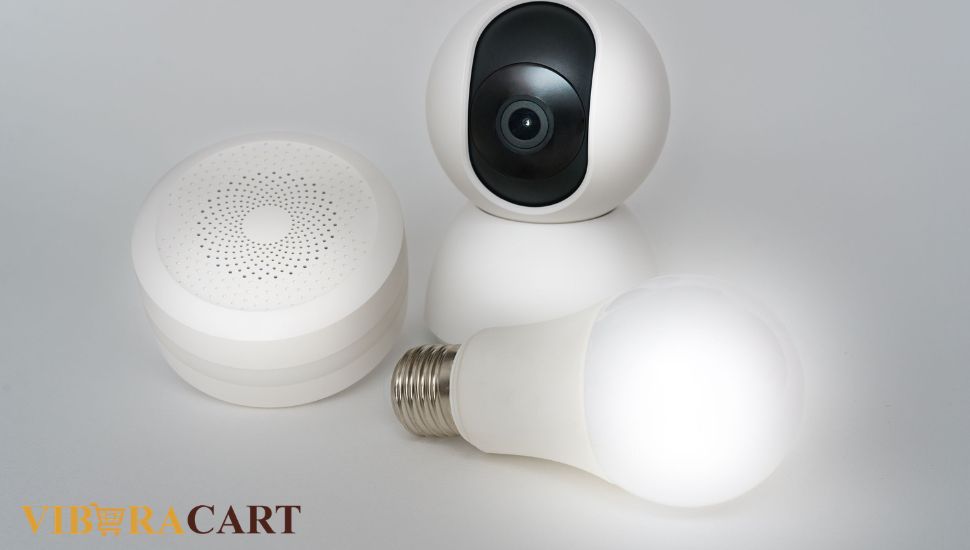
Smart Home Upgrades That Save Money A Complete Guide to Lower Utility Bills and Boost Home Efficiency
Smart technology is no longer a luxury reserved for high-end homes. Today, affordable smart home upgrades that save money are helping homeowners reduce utility bills, improve energy efficiency, and create a more convenient living environment. With advancements in the Internet of Things (IoT), Artificial Intelligence (AI), and home automation, even small upgrades can lead to significant long-term savings.
Whether you’re looking to lower electricity consumption, conserve water, enhance home security, or automate everyday tasks, investing in the right smart devices can deliver measurable financial benefits while increasing your property’s value.
In this guide, you’ll discover the most effective smart home upgrades, how they reduce household expenses, and how to choose the right solutions for your home and budget.

Why Smart Home Upgrades Are Worth the Investment
Modern homeowners are increasingly focused on reducing monthly expenses without sacrificing comfort. Smart home technology makes this possible by optimizing energy usage, automating routine tasks, and providing real-time insights into household consumption.
Unlike traditional home improvements, smart devices continuously monitor your home’s performance, allowing you to make informed decisions that improve efficiency and reduce waste.
Key benefits include:
- Lower electricity bills
- Reduced water consumption
- Enhanced home security
- Greater convenience through automation
- Improved energy efficiency
- Increased property value
- Better control through mobile applications
- Reduced environmental impact
Most importantly, many smart home devices continue generating savings year after year, making them an excellent long-term investment.
How Smart Home Technology Helps Reduce Household Expenses
One of the biggest advantages of home automation is its ability to eliminate unnecessary energy consumption.
For example:
- Smart thermostats automatically adjust temperatures when no one is home.
- Smart lighting turns lights off in empty rooms.
- Smart plugs eliminate standby power usage.
- Smart irrigation systems prevent water waste.
- Energy monitoring devices identify appliances consuming excessive electricity.
Instead of relying on manual adjustments, homeowners can automate these processes using AI-powered systems that learn daily routines and optimize energy usage accordingly.
Essential Smart Home Upgrades That Save Money
1. Smart Thermostats
A smart thermostat is one of the most effective upgrades for reducing heating and cooling expenses.
Unlike traditional thermostats, smart models learn your schedule and automatically adjust indoor temperatures based on occupancy, weather conditions, and personal preferences.
Popular options include:
- Google Nest Learning Thermostat
- Ecobee Smart Thermostat
- Honeywell Home Smart Thermostat
Benefits include:
- Reduced HVAC energy usage
- Automated temperature scheduling
- Remote smartphone control
- Energy consumption reports
- Improved indoor comfort
Heating and cooling often account for the largest portion of household energy costs, making a smart thermostat one of the highest ROI smart home investments.
2. Smart LED Lighting Systems
Lighting technology has evolved significantly over the past decade.
Modern smart LED lighting allows homeowners to:
- Schedule lighting
- Control lights remotely
- Create automation routines
- Dim brightness automatically
- Use motion sensors
- Reduce unnecessary electricity usage
Popular smart lighting systems include:
- Philips Hue
- Lutron Caséta
- TP-Link Kasa Smart Lighting
LED bulbs already consume significantly less electricity than traditional incandescent bulbs. Adding smart automation increases savings even further.
3. Smart Plugs
Many household electronics continue consuming electricity even when turned off.
This “phantom power” increases monthly utility bills without homeowners realizing it.
Smart plugs solve this problem by allowing devices to shut down automatically when not in use.
Popular smart plug brands include:
- TP-Link Kasa
- Eve Energy
- Amazon Smart Plug
These affordable devices are perfect for:
- Coffee makers
- Televisions
- Gaming consoles
- Space heaters
- Fans
- Small kitchen appliances
With smartphone scheduling and automation, smart plugs help eliminate unnecessary energy consumption throughout the day.
4. Smart Power Strips
Unlike traditional power strips, smart power strips detect inactive devices and automatically disconnect power.
They’re ideal for:
- Home offices
- Entertainment centers
- Gaming setups
- Computer workstations
Over time, these small savings add up while protecting connected electronics.
Smart Water-Saving Devices
Water conservation is becoming increasingly important, both environmentally and financially.
Smart water management systems help homeowners detect leaks, monitor usage, and reduce unnecessary water waste.
Install Smart Leak Detection Systems
Hidden water leaks can lead to costly repairs, higher utility bills, and serious structural damage if left unnoticed. Installing a smart leak detection system allows homeowners to monitor their plumbing in real time and receive instant alerts whenever unusual water activity is detected.
These intelligent devices continuously monitor key areas of your home and notify you through a mobile app before a minor leak becomes a major problem. Some advanced systems can even shut off the water supply automatically to minimize damage.
Benefits of Smart Leak Detectors
- Detect plumbing leaks before they become expensive repairs
- Receive real-time alerts on your smartphone
- Monitor water heaters, appliances, and pipes 24/7
- Reduce unnecessary water waste and lower utility costs
- Help prevent mold growth and structural damage
- Provide greater peace of mind while you’re away from home
Investing in a smart leak detection system is a proactive way to protect your property while saving money on future maintenance and water bills.
Upgrade to a Smart Irrigation System
Maintaining a healthy lawn doesn’t have to mean wasting water. A smart irrigation system automatically adjusts watering schedules using real-time environmental data, ensuring your landscape receives the right amount of water at the right time.
Unlike traditional sprinkler timers, smart irrigation controllers respond to changing weather conditions, soil moisture levels, and seasonal requirements. This intelligent approach helps conserve water, supports healthier plants, and reduces monthly utility expenses.
Key Benefits of Smart Irrigation
- Automatically adjusts watering based on local weather conditions
- Prevents overwatering and unnecessary water consumption
- Monitors soil moisture for healthier lawns and gardens
- Adapts irrigation schedules throughout the seasons
- Reduces outdoor water bills and improves efficiency
- Supports environmentally friendly and sustainable landscaping
Installing a smart irrigation system is a practical home upgrade that combines convenience, water conservation, and long-term cost savings, making it an excellent investment for modern homeowners.
Smart Home Security Systems That Protect Your Investment
Home security upgrades don’t just improve safety they can also reduce insurance costs and prevent expensive property damage.
Popular smart security devices include:
- Ring Video Doorbell
- Arlo Security Cameras
- Blink Cameras
- SimpliSafe Security Systems
- Yale Smart Locks
- August Smart Lock
These systems offer:
- Real-time monitoring
- Motion detection
- Mobile alerts
- Remote access
- Cloud video storage
- Smart lock automation
Some insurance providers may also offer discounts for professionally monitored or qualifying smart security systems.
Smart Appliances That Improve Energy Efficiency
Today’s smart appliances are designed to consume less electricity while providing greater convenience.
Examples include:
- Smart refrigerators
- Smart washing machines
- Smart dishwashers
- Smart ovens
- Smart water heaters
Many ENERGY STAR® certified appliances monitor energy consumption and automatically optimize operating cycles to minimize waste.
Smart Home Hubs The Brain of Your Connected Home
As you add more smart devices, managing them individually can become challenging. A smart home hub acts as the central control system, allowing multiple devices to work together seamlessly through a single platform.
Popular smart home ecosystems include:
- Google Home
- Amazon Alexa
- Apple HomeKit
- Samsung SmartThings
These platforms connect smart lighting, thermostats, security systems, cameras, smart plugs, locks, sensors, and appliances into one unified ecosystem.
Benefits of a Smart Home Hub
- Centralized device management
- Voice-controlled automation
- Customized routines
- Remote monitoring
- Improved compatibility between devices
- Enhanced energy management
- Simplified home automation
A connected smart home ecosystem improves efficiency while reducing unnecessary energy consumption.
AI-Powered Home Automation
Artificial Intelligence (AI) is transforming how homeowners interact with their homes. Instead of manually controlling devices, AI analyzes your habits and automatically optimizes daily operations.
Examples include:
- Learning your preferred room temperature
- Automatically adjusting lighting
- Detecting unusual energy usage
- Optimizing HVAC schedules
- Sending maintenance reminders
- Predicting appliance failures
Modern AI-powered automation not only improves convenience but also helps reduce monthly operating costs.
Voice Assistants Make Home Management Easier
Voice assistants have become an essential part of today’s smart homes.
Popular options include:
- Amazon Alexa
- Google Assistant
- Apple Siri
Simple voice commands allow homeowners to:
- Turn lights on or off
- Lock doors
- Control thermostats
- Play music
- View security cameras
- Create shopping lists
- Set reminders
- Schedule routines
Voice automation saves time while improving accessibility for every member of the household.
Smart Energy Monitoring Systems
One of the biggest challenges homeowners face is identifying where electricity is being wasted.
Smart energy monitoring systems provide detailed insights into your home’s energy usage.
They can monitor:
- HVAC systems
- Refrigerators
- Washing machines
- Water heaters
- Lighting
- Kitchen appliances
- Entertainment systems
Benefits include:
- Real-time electricity tracking
- Appliance-level monitoring
- Monthly usage reports
- Energy-saving recommendations
- Cost forecasting
- Utility bill analysis
Understanding your home’s energy consumption helps you make smarter financial decisions.
Smart Windows and Automated Blinds
Heating and cooling losses often occur through windows.
Smart blinds and automated window coverings help regulate indoor temperatures by opening and closing based on:
- Sunlight
- Outdoor temperature
- Time of day
- Occupancy
Benefits include:
- Lower cooling costs
- Reduced heating expenses
- Improved comfort
- UV protection for furniture
- Increased energy efficiency
When combined with smart thermostats, automated blinds can significantly reduce HVAC workloads.
Smart Water Management Systems
Water conservation technology continues to evolve.
Modern smart water systems include:
- Smart irrigation controllers
- Leak detection sensors
- Water flow monitors
- Automatic shutoff valves
These devices continuously monitor water usage and notify homeowners immediately if unusual consumption is detected.
Preventing even a single plumbing leak can save hundreds or even thousands—of dollars in repair costs.
Smart Home Security That Saves Money
While smart security systems primarily protect your property, they can also provide financial benefits.
Features include:
- Motion detection
- Remote access
- Smart locks
- Video doorbells
- Window sensors
- Glass-break detection
- Cloud recording
- Mobile notifications
Benefits include:
- Reduced theft risk
- Lower insurance premiums (where applicable)
- Early intrusion detection
- Improved peace of mind
- Remote property monitoring
Investing in smart security protects both your home and your long-term finances.
Choosing the Right Smart Home Ecosystem
Before purchasing devices, choose an ecosystem that supports your current and future needs.
Google Home
Ideal for:
- Android users
- Google Workspace integration
- AI-powered automation
- Google Assistant voice control
Amazon Alexa
Best for:
- Extensive device compatibility
- Affordable smart home products
- Voice shopping
- Flexible automation routines
Apple HomeKit
Perfect for:
- Apple device users
- Enhanced privacy
- Secure home automation
- Seamless iPhone integration
Samsung SmartThings
Excellent for:
- Multi-brand compatibility
- Advanced automation
- Large smart home installations
- IoT device management
Choosing a single ecosystem ensures better compatibility and simplifies future upgrades.
Common Mistakes Homeowners Should Avoid
Many homeowners invest in smart technology without proper planning.
Avoid these common mistakes:
Buying Devices Without Compatibility
Not every smart device works with every platform. Always verify compatibility before purchasing.
Ignoring Wi-Fi Coverage
A reliable Wi-Fi network is essential for consistent smart home performance. Weak signals can cause delays, connectivity issues, and device failures.
Overlooking Cybersecurity
Connected devices should always be protected by:
- Strong passwords
- Multi-factor authentication (MFA)
- Regular firmware updates
- Secure home networks
- Encrypted cloud services
Cybersecurity is a crucial part of maintaining a safe and reliable smart home.
Focusing Only on Price
Low-cost devices may lack long-term reliability, software support, or advanced features. Prioritize quality, compatibility, and ongoing updates when selecting smart home products.
Return on Investment (ROI) of Smart Home Upgrades
Many homeowners wonder if smart home technology is worth the initial investment.
High-ROI upgrades include:
- Smart thermostats
- LED smart lighting
- Smart plugs
- Smart irrigation systems
- Leak detection sensors
- ENERGY STAR® appliances
- Smart security systems
Although installation costs vary, these upgrades can contribute to lower utility bills, reduced maintenance expenses, and increased property appeal over time.
Future Trends in Smart Home Technology
The future of home automation is being shaped by AI, machine learning, and improved device interoperability.
Emerging trends include:
- AI-powered predictive maintenance
- Matter-enabled smart home devices
- Edge computing for faster automation
- Advanced energy optimization
- Smart EV charging systems
- Solar energy integration
- AI-based home security
- Automated energy balancing
- Voice recognition personalization
- Predictive appliance diagnostics
As technology continues to evolve, homeowners will gain even greater control over energy usage, security, and everyday convenience.