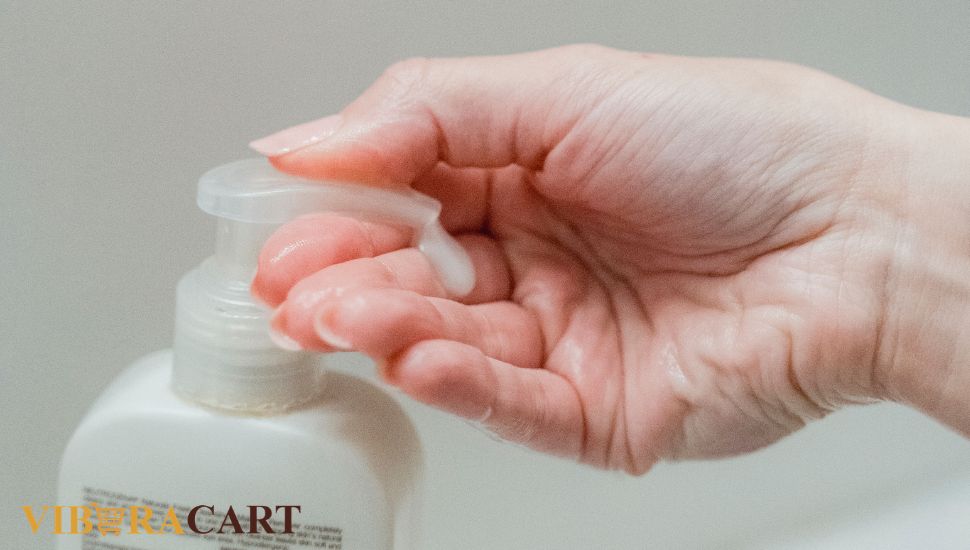
Introduction
Sensitive skin requires more than just regular cleansing it needs protection, hydration, and gentle care. Choosing the best body wash for sensitive skin can make a noticeable difference in reducing dryness, irritation, redness, and discomfort while helping maintain a healthy skin barrier.
Whether your skin is naturally sensitive or affected by conditions like eczema, finding the right body wash starts with understanding which ingredients support skin health and which ones may trigger irritation.
Why Sensitive Skin Needs a Special Body Wash
Unlike ordinary cleansers, body washes formulated for sensitive skin are designed to cleanse without stripping away natural oils. The outer layer of your skin, known as the skin barrier, plays an essential role in retaining moisture and protecting against environmental irritants.
Harsh soaps, sulfates, artificial fragrances, and alcohol-based ingredients can weaken this barrier, leading to itching, redness, and excessive dryness.
A gentle body wash helps maintain moisture while removing dirt, sweat, and impurities.

Understanding Sensitive Skin
Sensitive skin isn’t a medical diagnosis but a skin condition where the skin reacts easily to environmental factors or cosmetic products.
Common symptoms include:
- Redness
- Burning sensation
- Dry patches
- Itching
- Tightness
- Flaking
- Irritation after bathing
Some individuals may also experience eczema, contact dermatitis, or allergic reactions that require extra-gentle cleansing products.
Ingredients That Help Sensitive Skin
The best body washes often include skin-loving ingredients that restore moisture and calm irritation.
Ceramides
Ceramides strengthen the skin barrier and help reduce moisture loss.
Glycerin
A natural humectant that attracts water into the skin for lasting hydration.
Hyaluronic Acid
Supports moisture retention and leaves skin feeling soft after cleansing.
Colloidal Oatmeal
Known for soothing itchy, inflamed, and eczema-prone skin.
Aloe Vera
Provides calming hydration while reducing redness.
Shea Butter
Deeply moisturizes dry and flaky skin.
Panthenol
Supports skin repair and improves softness.
Niacinamide
Helps calm inflammation while improving the skin’s protective barrier.
Ingredients to Avoid
When choosing the best body wash for sensitive skin, avoid products containing:
- Sulfates (SLS, SLES)
- Artificial fragrance
- Alcohol
- Parabens (if sensitive)
- Synthetic dyes
- Harsh preservatives
- Strong essential oils
- Formaldehyde releasers
These ingredients may increase irritation, dryness, or allergic reactions.
How to Choose the Best Body Wash for Sensitive Skin
Consider these factors:
- Fragrance-free formula
- Hypoallergenic
- Dermatologist tested
- Soap-free
- Sulfate-free
- pH-balanced
- Moisturizing ingredients
- Non-comedogenic if acne-prone
Reading ingredient labels carefully can help prevent unwanted skin reactions.
Best Body Wash Based on Your Skin Needs
Dry Sensitive Skin
Look for body washes with ceramides, glycerin, and shea butter to restore moisture.
Eczema-Prone Skin
Products containing colloidal oatmeal and ceramides can help soothe flare-ups.
Allergy-Prone Skin
Choose fragrance-free and dye-free cleansers that minimize irritation.
Mature Sensitive Skin
Hydrating ingredients like hyaluronic acid and vitamin E help maintain elasticity and softness.
Proper Way to Use Body Wash
For the best results:
- Use lukewarm water instead of hot water.
- Apply a small amount of body wash with your hands or a soft washcloth.
- Cleanse gently without scrubbing aggressively.
- Rinse thoroughly.
- Pat skin dry with a towel.
- Apply moisturizer within three minutes after bathing.
This routine helps lock in moisture and protect the skin barrier.
Additional Tips for Sensitive Skin
Healthy skin involves more than selecting the right cleanser.
- Take shorter showers.
- Moisturize daily.
- Wear breathable fabrics.
- Avoid harsh laundry detergents.
- Stay hydrated.
- Perform a patch test before trying new skincare products.
- Use sunscreen on exposed skin.
Common Mistakes to Avoid
Many people unknowingly worsen sensitive skin.
Avoid these mistakes:
- Using very hot water
- Over-cleansing
- Using heavily scented products
- Scrubbing aggressively
- Skipping moisturizer
- Trying too many skincare products at once
- Ignoring ingredient labels
Frequently Asked Questions
What is the best body wash for sensitive skin ?
The best body wash is fragrance-free, sulfate-free, moisturizing, and dermatologist-tested with ingredients like ceramides, glycerin, and colloidal oatmeal.
Is fragrance-free better than unscented ?
Yes. Fragrance-free products contain no added fragrance, making them less likely to trigger irritation.
Can body wash help eczema ?
While body wash cannot cure eczema, gentle cleansers with ceramides and colloidal oatmeal can reduce dryness and support the skin barrier.
Should I use body wash every day ?
Yes, but choose a gentle formula designed for daily use and avoid over-cleansing.
How do I know if a body wash is causing irritation ?
Watch for redness, itching, burning, or excessive dryness after use. Stop using the product and consult a dermatologist if symptoms persist.
Is soap or body wash better for sensitive skin ?
Soap-free body washes are generally gentler because they are formulated to preserve the skin’s natural moisture barrier.
Conclusion
Choosing the best body wash for sensitive skin is an important step toward maintaining healthy, comfortable skin. Gentle cleansers enriched with ceramides, glycerin, colloidal oatmeal, aloe vera, and hyaluronic acid can cleanse effectively while protecting your skin’s natural barrier.
Avoid harsh ingredients like sulfates and artificial fragrances, follow a consistent skincare routine, and moisturize after every shower for the best results. If irritation continues despite using gentle products, consult a dermatologist for personalized recommendations. By making informed choices, you can enjoy clean, hydrated, and healthier-looking skin every day.
How Dermatologists Recommend Caring for Sensitive Skin
If you have sensitive skin, choosing the right body wash is only one part of maintaining healthy skin. Dermatologists often recommend adopting a complete skincare routine that minimizes irritation and supports the skin’s natural barrier.
Some of the most common expert recommendations include:
- Use lukewarm water instead of hot showers.
- Limit shower time to 5–10 minutes.
- Choose a fragrance-free and sulfate-free body wash.
- Pat your skin dry instead of rubbing it with a towel.
- Apply a moisturizer immediately after showering.
- Wear breathable fabrics like cotton.
- Introduce new skincare products one at a time.
- Perform a patch test before using any new product.
Following these dermatologist-backed habits can significantly reduce flare-ups, dryness, and discomfort while improving your skin’s overall health over time.
Body Wash vs. Bar Soap: Which Is Better for Sensitive Skin ?
Many people wonder whether a traditional bar soap or a liquid body wash is the better choice for sensitive skin. While both cleanse the skin, they differ in formulation and their impact on the skin barrier.
| Feature | Body Wash | Traditional Bar Soap |
|---|---|---|
| Moisturizing Ingredients | Usually Rich | Limited |
| pH Balance | Closer to Skin’s Natural pH | Often More Alkaline |
| Suitable for Sensitive Skin | Yes | Depends on Formula |
| Hydration | Better | Can Dry the Skin |
| Gentle Cleansing | Yes | Sometimes Harsh |
Modern body washes are generally formulated with hydrating ingredients such as Ceramides, Glycerin, Hyaluronic Acid, and Colloidal Oatmeal, making them a better option for individuals with dry, sensitive, or eczema-prone skin.
Seasonal Skincare Tips for Sensitive Skin
Your skin’s needs change throughout the year, and adjusting your body care routine with the seasons can help prevent irritation.
Winter
Cold air and indoor heating can strip moisture from the skin.
- Use a richer moisturizing body wash.
- Apply a thick body lotion after every shower.
- Avoid excessively hot water.
- Use a humidifier indoors if possible.
Summer
Sweat, heat, and UV exposure can make sensitive skin more reactive.
- Choose a lightweight, fragrance-free body wash.
- Shower after exercising.
- Wear breathable clothing.
- Apply broad-spectrum sunscreen daily.
Spring & Autumn
Seasonal allergies and changing humidity levels may affect sensitive skin.
- Monitor how your skin reacts to environmental changes.
- Stick with gentle skincare products.
- Avoid frequently switching body wash formulas.
Adjusting your routine according to the weather helps maintain a healthy skin barrier all year long.
Signs It’s Time to Switch Your Body Wash
Even a product that once worked well may no longer suit your skin due to changes in weather, age, hormones, or skin conditions. Paying attention to how your skin responds can help you avoid unnecessary irritation.
Consider changing your body wash if you notice:
- Persistent dryness after showering
- Increased itching or redness
- Burning or stinging sensations
- New rashes or irritation
- Tightness that lasts for hours
- Flaking or peeling skin
- Frequent eczema flare-ups
- Breakouts caused by harsh ingredients
If these symptoms continue after changing products, consult a dermatologist to rule out underlying skin conditions or allergies.