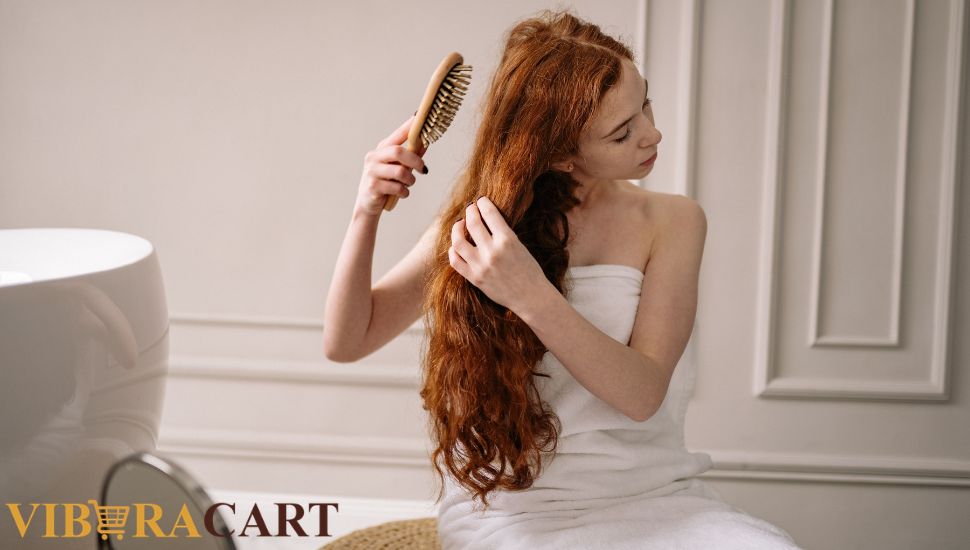
Introduction
Healthy, shiny, and strong hair is more than just a beauty goal it reflects consistent care, proper nutrition, and the right hair care routine. While countless products promise instant results, achieving healthy hair requires understanding your hair type, using suitable ingredients, and following habits that protect your hair from daily damage. Whether your hair is straight, curly, wavy, fine, thick, oily, or dry, a personalized routine can make a significant difference in its overall health and appearance.
The best hair care routine for healthy hair isn’t about using expensive products; it’s about building a consistent regimen that nourishes your scalp, strengthens the hair shaft, and minimizes damage caused by heat styling, pollution, harsh chemicals, and environmental stressors. Healthy hair begins with a healthy scalp because the Hair follicle is where every strand originates. Supporting scalp health through gentle cleansing, hydration, and balanced nutrition helps create the ideal environment for stronger, healthier hair growth.
According to experts from the American Academy of Dermatology, maintaining healthy hair involves a combination of proper cleansing, conditioning, minimizing heat damage, and consuming a nutrient-rich diet. Instead of searching for quick fixes, focusing on long-term hair health delivers more sustainable and visible results.
Why a Proper Hair Care Routine Matters
Your hair is exposed to multiple stress factors every day, including UV rays, pollution, humidity, excessive washing, chemical treatments, and heat styling tools. Without a structured hair care routine, these factors can weaken the hair cuticle, leading to dryness, breakage, split ends, and dullness.
A well-planned routine offers several benefits:
- Maintains scalp health
- Reduces hair breakage
- Improves moisture balance
- Strengthens hair strands
- Enhances natural shine
- Minimizes frizz
- Protects hair from environmental damage
- Supports healthy hair growth
Consistency is far more important than using dozens of products. Choosing quality products that suit your hair type and following a routine regularly can significantly improve your hair’s condition over time.
Know Your Hair Type Before Choosing a Routine
Before investing in shampoos, conditioners, or treatments, it’s important to understand your hair type. Every hair texture has different needs, and using the wrong products may lead to dryness, excessive oiliness, or product buildup.
Straight Hair
Straight hair tends to become oily more quickly because natural oils travel easily from the scalp to the ends. Lightweight shampoos and volumizing products are often the best choice.
Wavy Hair
Wavy hair requires a balance of hydration and lightweight styling products to define natural texture without weighing it down.
Curly Hair
Curly hair naturally loses moisture faster, making hydration essential. Rich conditioners, leave-in treatments, and moisturizing ingredients help reduce frizz and improve curl definition.
Coily Hair
Coily hair is generally the driest hair type and benefits from deep conditioning, regular oil treatments, and protective styling to prevent breakage.
Understanding your hair’s porosity, density, and scalp condition also helps you select products that deliver the best results.
Best Hair Care Routine for Healthy Hair
Step 1: Cleanse Your Scalp Gently
Healthy hair starts with a clean scalp. Washing your hair removes excess oil, dirt, sweat, and product buildup that can clog hair follicles and affect hair health.
Choose a shampoo formulated for your specific hair type rather than selecting products based solely on fragrance or marketing claims. For example, moisturizing shampoos work well for dry hair, while clarifying shampoos can help control oily scalps when used occasionally.
Well-known brands such as L’Oréal Paris, Pantene, Dove, and OGX offer shampoos designed for various hair concerns, making it easier to find products suited to your individual needs.
Avoid washing your hair with extremely hot water, as it can strip away natural oils and leave your hair feeling dry and brittle. Instead, use lukewarm water and gently massage the scalp using your fingertips rather than your nails.
Step 2: Never Skip Conditioner
Conditioner is essential because it replenishes moisture, smooths the hair cuticle, and reduces friction that leads to breakage.
Apply conditioner mainly to the mid-lengths and ends of your hair, where moisture loss is most common. Leave it on for two to five minutes before rinsing thoroughly.
Professional haircare brands like Redken and Kérastase are widely recognized for formulations that target dryness, damage, and color-treated hair.
Step 3: Use a Leave-In Conditioner or Hair Serum
A leave-in conditioner or lightweight hair serum provides additional hydration and protects hair from humidity, friction, and heat styling.
Products containing Argan Oil or Aloe Vera help smooth the hair cuticle while enhancing softness and shine without leaving heavy residue.
Apply only a small amount to damp hair, focusing on the ends to prevent product buildup near the scalp.
Step 4: Protect Hair Before Heat Styling
Frequent use of blow dryers, curling irons, and straighteners can weaken the natural structure of your hair over time. Before using any heat tool, always apply a heat protectant spray or serum.
Keeping styling temperatures as low as possible and limiting heat styling to special occasions can help preserve natural moisture and reduce long-term damage.
Step 5: Nourish Hair with Weekly Treatments
Weekly treatments provide deeper nourishment than daily conditioners and help repair damage caused by environmental stressors.
Hair masks enriched with Keratin, Collagen, Shea Butter, and Coconut Oil help restore moisture, strengthen strands, and improve elasticity.
For severely damaged hair, repair systems from Olaplex are designed to rebuild weakened hair bonds, while moisturizing treatments from Moroccanoil and SheaMoisture can improve softness and manageability.
Daily Hair Care Habits for Healthier Hair
Healthy hair is built through consistent daily habits rather than occasional treatments. Small lifestyle changes can significantly improve your hair’s strength, shine, and overall appearance.
Some of the most effective daily habits include:
- Brush your hair gently using a wide-tooth comb or soft-bristle brush.
- Avoid tying your hair too tightly, as excessive tension can contribute to breakage.
- Sleep on a silk or satin pillowcase to reduce friction and minimize frizz.
- Protect your hair from prolonged sun exposure by wearing a hat or scarf when outdoors.
- Stay hydrated throughout the day, as proper hydration supports both scalp and hair health.
- Avoid excessive use of dry shampoo, which may lead to product buildup if not washed out regularly.
Developing these habits consistently will help maintain healthier hair while reducing unnecessary damage between wash days.
Weekly Hair Care Routine
A complete weekly routine complements your daily care and keeps your hair in optimal condition.
A balanced weekly routine may include:
- One deep-conditioning treatment
- One nourishing hair mask
- A gentle scalp massage using Rosemary Oil diluted with a carrier oil
- A clarifying shampoo every few weeks if you regularly use styling products
- Trimming split ends every six to eight weeks to maintain healthy-looking hair
Combining these weekly treatments with a consistent daily routine creates the foundation for stronger, shinier, and healthier hair over the long term.
Best Ingredients for Healthy Hair
The ingredients in your hair care products play a significant role in maintaining healthy, resilient hair. Instead of choosing products based on attractive packaging or marketing claims, focus on formulas that contain scientifically supported ingredients known to nourish the scalp and strengthen hair.
Keratin
Keratin is the primary protein that makes up your hair. Heat styling, chemical treatments, and environmental damage can weaken keratin, making hair more prone to breakage. Products enriched with keratin help improve hair strength, smoothness, and manageability.
Biotin
Biotin is often associated with healthy hair because it supports the production of keratin. While severe biotin deficiency is uncommon, maintaining adequate levels through a balanced diet contributes to overall hair health.
Vitamin E
Vitamin E helps protect hair and scalp from oxidative stress. Its antioxidant properties support healthier-looking hair while helping maintain scalp moisture.
Omega-3 Fatty Acids
Omega-3 fatty acid nourish the scalp and may help improve hair texture by supporting healthy skin and hair follicles.
Natural Oils
Natural ingredients such as Argan Oil, Coconut Oil, Rosemary Oil, and Aloe Vera are widely used to moisturize hair, reduce frizz, and protect against dryness. While these ingredients can improve the appearance and condition of hair, they work best as part of a consistent hair care routine rather than as overnight miracle solutions.
Nutrition and Lifestyle for Strong, Healthy Hair
Healthy hair starts from within. No shampoo or conditioner can fully compensate for poor nutrition or unhealthy lifestyle habits. Hair follicles require a steady supply of nutrients to produce strong, healthy strands.
To support healthy hair growth:
- Eat protein-rich foods such as eggs, fish, lean meat, beans, and legumes.
- Include leafy green vegetables, nuts, seeds, and whole grains in your diet.
- Stay hydrated by drinking enough water throughout the day.
- Get adequate sleep to support your body’s natural repair processes.
- Exercise regularly to improve blood circulation, which helps deliver nutrients to the scalp.
- Manage stress through relaxation techniques, meditation, or physical activity, as chronic stress may contribute to increased hair shedding.
Organizations such as the National Institutes of Health emphasize the importance of balanced nutrition in supporting overall hair health and normal hair growth.
Hair Care Mistakes to Avoid
Even the best products cannot deliver optimal results if everyday habits are damaging your hair. Avoiding these common mistakes can significantly improve your hair’s long-term health.
Washing Hair Too Frequently
Overwashing may strip the scalp of its natural oils, leaving hair dry and brittle. Wash your hair according to your hair type rather than following a fixed daily schedule.
Using Excessive Heat
Daily use of flat irons, curling wands, and blow dryers at high temperatures weakens the hair shaft over time. Always apply a heat protectant before styling and use the lowest effective temperature.
Skipping Conditioner
Many people focus only on shampoo, forgetting that conditioner restores moisture and protects the hair cuticle. Conditioning should remain a regular part of your routine.
Brushing Wet Hair Aggressively
Wet hair is more fragile than dry hair. Use a wide-tooth comb to gently detangle hair, starting from the ends and working upward to minimize breakage.
Ignoring Scalp Health
Healthy hair begins with a healthy scalp. Excess product buildup, dandruff, or scalp irritation can interfere with normal hair growth and overall hair quality.
Choosing the Right Hair Care Products
Selecting products that match your hair type and concerns is essential for achieving long-term results.
For example:
- Dry hair benefits from moisturizing shampoos and nourishing masks.
- Oily hair responds well to lightweight, balancing formulas.
- Color-treated hair requires sulfate-free products designed to preserve color.
- Damaged hair often benefits from bond-repair treatments and strengthening conditioners.
- Curly and coily hair typically need richer moisturizing products to maintain hydration.
Trusted brands such as L’Oréal Paris, Redken, Olaplex, Moroccanoil, Kérastase, Pantene, and SheaMoisture offer products designed for different hair needs. The best choice depends on your hair type, scalp condition, and styling habits rather than brand popularity alone.
Hair Care Tips for Different Hair Types
For Dry Hair
Focus on deep hydration by using moisturizing shampoos, rich conditioners, weekly hair masks, and natural oils. Minimize heat styling and protect your hair from excessive sun exposure.
For Oily Hair
Use lightweight shampoos formulated for oily scalps and avoid applying conditioner directly to the roots. Clarifying shampoos can be helpful occasionally to remove excess buildup.
For Curly Hair
Curly hair requires extra moisture. Apply leave-in conditioners, curl creams, and hydrating masks regularly while avoiding harsh cleansers that strip natural oils.
For Fine Hair
Choose lightweight volumizing products that add body without weighing the hair down. Avoid heavy oils and thick creams unless needed for damaged ends.
For Color-Treated Hair
Use products specifically formulated for color protection and always apply heat protection before styling to help maintain color vibrancy.
Frequently Asked Questions
What is the best daily hair care routine ?
A healthy daily routine includes gentle cleansing when needed, conditioning, protecting hair from heat, brushing carefully, staying hydrated, and using products suited to your hair type.
How often should I wash my hair ?
It depends on your scalp and hair type. Oily hair may require more frequent washing, while dry or curly hair generally benefits from less frequent cleansing to preserve natural moisture.
Does oiling help hair grow faster ?
Hair oils primarily help moisturize the scalp and reduce breakage. While oils alone do not dramatically increase hair growth, maintaining a healthy scalp supports the natural hair growth cycle.
Which ingredients are best for healthy hair ?
Ingredients such as Keratin, Biotin, Vitamin E, Argan Oil, Coconut Oil, Aloe Vera, and Omega-3 Fatty Acids are commonly used to support stronger, healthier-looking hair.
Can damaged hair become healthy again ?
Damaged hair cannot fully repair itself once the hair shaft is severely compromised, but proper care, regular trims, conditioning treatments, and minimizing further damage can greatly improve its appearance and strength.
How often should I use a hair mask ?
Most people benefit from using a nourishing hair mask once a week, while extremely dry or chemically treated hair may benefit from more frequent treatments depending on product instructions.
Conclusion
Achieving healthy, beautiful hair is not about following the latest trends or buying the most expensive products—it’s about creating a consistent routine tailored to your individual hair type and lifestyle. Understanding your hair’s unique needs, maintaining a healthy scalp, using nourishing ingredients, protecting against heat and environmental damage, and supporting your body with proper nutrition all contribute to stronger, shinier, and more resilient hair.
The best hair care routine combines daily maintenance with weekly treatments and long-term healthy habits. By choosing quality products, minimizing damaging practices, and staying consistent, you can improve your hair’s overall condition and maintain healthy hair for years to come. Remember, noticeable improvements take time, but with patience and the right approach, your hair can become healthier, stronger, and more manageable while reflecting your overall well-being.