Introduction
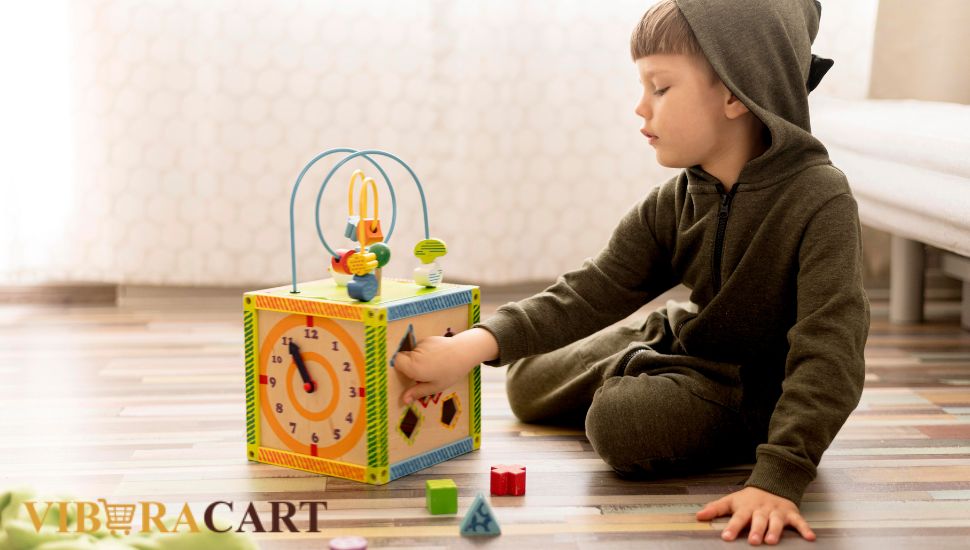
Choosing the best educational wooden toys for 3-year-olds can make a huge difference in a child’s early development. At this age, children are naturally curious, energetic, and eager to explore the world around them. Educational wooden toys help improve creativity, motor skills, problem-solving abilities, and emotional growth while keeping playtime fun and engaging.
Unlike many plastic toys with flashing lights and distracting sounds, wooden toys encourage children to think independently and interact more creatively. Parents today are also choosing wooden learning toys because they are durable, eco-friendly, and safer for toddlers.
In this guide, we’ll explore the top benefits of educational wooden toys and how they support your child’s growth through meaningful play.
Why Wooden Educational Toys Matter for 3-Year-Olds
At the age of three, children experience rapid growth in both cognitive and physical development. During this stage, their brains absorb new information quickly, and hands-on learning activities play a key role in building memory, focus, and coordination skills.
This is where educational wooden toys for 3-year-olds become especially valuable. These toys are designed to support early learning in a natural, safe, and engaging way while encouraging independent exploration.
Key Benefits of Educational Wooden Toys
Educational wooden toys help children develop essential life skills, including:
- Independent learning and decision-making
- Sensory development through touch and movement
- Creative thinking and imagination
- Hand-eye coordination and motor skill improvement
- Social interaction during group play
- Early language and communication development
Many child development experts recommend Montessori-style wooden toys because they promote self-directed learning, problem-solving, and focus without overwhelming children with digital overstimulation.
Benefits of Montessori Wooden Toys for Early Learning
Montessori-inspired wooden toys are designed to help children learn naturally through play. These toys usually focus on simplicity, exploration, and real-life skills.
Key Benefits:
1. Improves Fine Motor Skills
Stacking blocks, puzzle boards, and shape sorters help toddlers strengthen finger control and hand coordination.
2. Encourages Focus & Patience
Wooden toys often require concentration and problem-solving, which improves attention span.
3. Supports Emotional Development
Role-play wooden toys like kitchen sets or tool kits allow children to express emotions and practice communication.
4. Reduces Screen Time
Educational toys create meaningful offline activities that keep children mentally active without relying on digital devices.
Top Educational Wooden Toys Every 3-Year-Old Will Love
Wooden Alphabet Puzzles
These toys help toddlers recognize letters, shapes, and colors while improving memory skills.
Montessori Stacking Toys
Stacking rings and balancing blocks improve coordination and spatial awareness.
Wooden Train Sets
Train tracks encourage creativity, storytelling, and problem-solving abilities.
Wooden Kitchen Play Sets
Pretend cooking helps children develop imagination and social interaction skills.
Shape Sorters
Shape sorting toys teach logic, pattern recognition, and basic geometry concepts.
Counting Beads & Abacus Toys
These are excellent for introducing early math and number recognition.
How Wooden Toys Improve Cognitive & Motor Skills
Educational wooden toys are designed to stimulate brain activity naturally. Simple tasks like fitting shapes or building towers encourage logical thinking and experimentation.
Cognitive Benefits:
- Better memory retention
- Improved critical thinking
- Enhanced concentration
- Faster problem-solving skills
Physical Benefits:
- Stronger hand muscles
- Improved balance and coordination
- Better grip control
- Enhanced sensory awareness
Children learn best when they can physically interact with objects. Wooden toys create an engaging learning environment that promotes active exploration.
Safe & Non-Toxic Wooden Toys Parents Can Trust
Safety is one of the biggest reasons parents choose wooden toys for toddlers. High-quality wooden toys are often made with:
- Non-toxic paints
- Natural wood materials
- Smooth rounded edges
- Durable craftsmanship
Parents should always check:
- Safety certifications
- Age recommendations
- Eco-friendly materials
- Choking hazard warnings
Choosing safe educational toys ensures a healthy and secure learning experience for young children.
Choosing the Right Educational Toy for Your Child
Not every toy fits every child’s learning style. Some toddlers enjoy creative role-play, while others prefer puzzles or construction activities.
Consider These Factors:
- Your child’s interests
- Skill development goals
- Safety and durability
- Educational value
- Open-ended play opportunities
Open-ended wooden toys are especially valuable because children can use them in multiple ways, encouraging imagination and long-term engagement.
STEM Wooden Toys for Preschool Learning
STEM learning begins earlier than many parents realize. Educational wooden toys can introduce science, technology, engineering, and math concepts in simple ways.
Popular STEM Wooden Toys:
- Building blocks
- Magnetic construction sets
- Counting boards
- Pattern puzzles
- Gear and motion toys
These toys help children understand:
- Cause and effect
- Spatial reasoning
- Early engineering skills
- Logical thinking
STEM toys also prepare children for future learning by encouraging curiosity and experimentation.
Role-Play & Creativity Development Through Wooden Toys
Pretend play is essential for emotional and social growth. Wooden role-play toys help children:
- Build confidence
- Practice communication
- Learn empathy
- Improve storytelling abilities
Popular options include:
- Wooden doctor kits
- Toy kitchens
- Grocery store sets
- Wooden dollhouses
Creative play allows toddlers to explore real-world situations in a safe and enjoyable environment.
Sustainable Wooden Toys vs Plastic Toys
Many parents now prefer sustainable wooden toys because they are environmentally friendly and long-lasting.
Wooden Toys Advantages:
- Eco-conscious materials
- Biodegradable
- More durable
- Timeless designs
- Safer materials
Plastic toys may break easily and often contain harmful chemicals. Wooden toys offer a healthier and more sustainable alternative for families focused on quality and child safety.
Why Educational Wooden Toys Are Worth the Investment
Quality educational toys may cost more initially, but they provide long-term value. Wooden toys often last for years and can even be passed down to younger siblings.
They also:
- Support healthy development
- Encourage independent learning
- Reduce overstimulation
- Improve parent-child interaction
Parents who invest in educational wooden toys are creating a more engaging and enriching environment for their children.
Frequently Asked Questions (FAQs)
What are the best educational wooden toys for 3-year-olds ?
Wooden puzzles, stacking blocks, shape sorters, train sets, and pretend play kits are among the best options for learning and development.
Are wooden toys safer than plastic toys ?
High-quality wooden toys are generally safer because they are durable, eco-friendly, and often made with non-toxic materials.
How do wooden toys help child development ?
They improve motor skills, creativity, concentration, cognitive growth, and emotional development through interactive play.
Are Montessori wooden toys good for toddlers ?
Yes, Montessori toys encourage independent learning, problem-solving, and hands-on exploration.
What skills can toddlers learn from wooden toys ?
Toddlers can develop fine motor skills, communication, math basics, spatial awareness, and creative thinking.
Final Thoughts
The best educational wooden toys for 3-year-olds combine learning, creativity, and fun in a natural and engaging way. From Montessori stacking toys to STEM learning kits, these toys support healthy child development while reducing screen time and encouraging imagination.
Parents looking for safe, eco-friendly, and educational play options will find wooden toys to be a smart long-term investment. By choosing high-quality learning toys, you help your child build essential life skills while creating joyful and meaningful play experiences every day.