Introduction
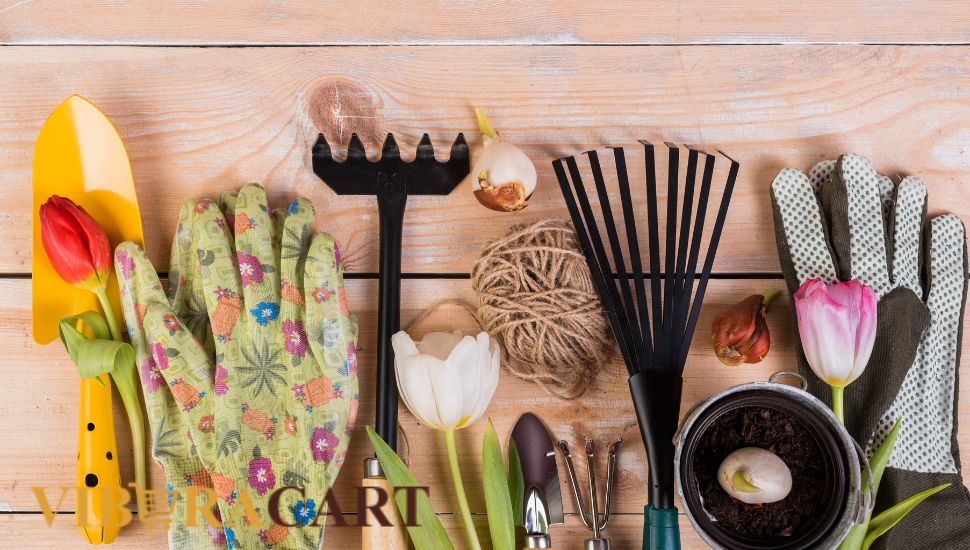
Gardening is more than a hobby it’s a rewarding activity that connects you with nature. However, the quality of your experience largely depends on the tools you use. Choosing the best materials for durable ergonomic garden tools can make a significant difference in comfort, efficiency, and long-term performance.
In this guide, we’ll explore the most reliable materials used in high-quality gardening tools, how they impact durability, and why ergonomic design matters for both beginners and professional gardeners.
Why Material Matters in Gardening Tools
The durability and effectiveness of any garden tool depend heavily on the material used in its construction. Tools made from durable garden tool materials not only last longer but also perform better under tough conditions.
Key Benefits of High-Quality Materials:
- Increased lifespan
- Resistance to rust and corrosion
- Better strength and performance
- Reduced maintenance needs
Investing in tools made from premium materials ensures that you won’t need frequent replacements, saving both time and money.
Top Materials for Durable Garden Tools
Stainless Steel: The Gold Standard
Stainless steel is one of the most popular materials for rust-resistant garden tools. It is highly durable and resistant to corrosion, making it ideal for outdoor use.
Benefits:
- Rust and corrosion resistance
- Easy to clean
- Long-lasting performance
Best For: Trowels, pruners, and digging tools
Carbon Steel: Strength and Sharpness
Carbon steel tools are known for their exceptional strength and ability to hold a sharp edge. They are widely used in long-lasting garden tool materials.
Benefits:
- Strong and durable
- Excellent cutting performance
- Ideal for heavy-duty tasks
Consideration: Requires regular maintenance to prevent rust
Aluminum: Lightweight and Efficient
Aluminum is a lightweight alternative that is perfect for ergonomic tools. It reduces fatigue and is easy to handle.
Benefits:
- Lightweight design
- Rust-resistant
- Easy to use for extended periods
Best For: Hand tools and tools for beginners
Wood: Traditional and Comfortable
Wooden handles provide a natural grip and are commonly used in high-quality gardening tools.
Benefits:
- Comfortable grip
- Absorbs vibration
- Eco-friendly
Drawback: Can wear out over time if not maintained
Fiberglass Modern Durability
Fiberglass handles are becoming increasingly popular due to their strength and resistance to weather conditions.
Benefits:
- Strong and durable
- Weather-resistant
- Low maintenance
Importance of Ergonomic Design
While material is crucial, ergonomic design ensures that tools are comfortable and safe to use. Ergonomic tools are designed to reduce strain on your hands, wrists, and back.
Key Features of Ergonomic Garden Tools:
- Anti-slip handles
- Lightweight construction
- Balanced design
- Shock-absorbing materials
Using ergonomic tools can significantly reduce fatigue and prevent injuries, especially during long gardening sessions.
Combining Durability with Comfort
The best gardening tools combine durable materials with ergonomic design. For example:
- Stainless steel blade + fiberglass handle
- Carbon steel head + wooden ergonomic grip
- Aluminum body + anti-slip rubber handle
This combination ensures both strength and comfort, making your gardening tasks easier and more efficient.
How to Choose the Right Garden Tool Materials
When selecting tools, consider the following:
1. Type of Gardening Work
Heavy-duty tasks require stronger materials like carbon steel, while light gardening can benefit from aluminum tools.
2. Climate Conditions
If you live in a humid area, choose rust-resistant garden tools like stainless steel.
3. Comfort Needs
For long hours of gardening, prioritize ergonomic handles and lightweight materials.
4. Maintenance Requirements
Some materials require more care than others. Choose based on your maintenance preferences.
EEAT: Why Trust Quality Matters
When investing in gardening tools, it’s important to rely on trusted manufacturers and proven materials. High-quality tools not only perform better but also ensure safety and reliability.
Look for:
- Verified product reviews
- Industry-recommended materials
- Warranty and brand reputation
This ensures you’re making a long-term investment rather than a short-term purchase.
Maintenance Tips for Long-Lasting Tools
Even the best materials require proper care. Here’s how to extend the life of your tools:
- Clean tools after each use
- Dry them to prevent rust
- Store in a dry place
- Sharpen blades regularly
- Apply oil to metal parts
Proper maintenance enhances the durability of long-lasting garden tool materials.
Future Trends in Garden Tool Materials
The gardening industry is evolving with innovative materials and designs:
- Recycled eco-friendly materials
- Advanced composites
- Smart ergonomic designs
- AI-assisted tool recommendations
These advancements are making gardening tools more efficient, sustainable, and user-friendly.
FAQ Section
Q1: What are the best materials for durable garden tools ?
Stainless steel, carbon steel, aluminum, and fiberglass are among the best materials for durability and performance.
Q2: Are stainless steel garden tools better than carbon steel ?
Stainless steel is rust-resistant and low maintenance, while carbon steel is stronger and holds a sharper edge.
Q3: What makes a garden tool ergonomic ?
Ergonomic tools have comfortable grips, balanced weight, and designs that reduce strain on the body.
Q4: How can I make my garden tools last longer ?
Regular cleaning, proper storage, and maintenance can significantly extend tool lifespan.
Q5: Which handle material is best for gardening tools ?
Fiberglass and wood are popular choices due to their durability and comfort.
Final Thought
Choosing the best materials for durable ergonomic garden tools is essential for achieving efficiency, comfort, and long-term value. By combining high-quality materials with ergonomic design, gardeners can enjoy a smoother, more productive experience. Investing in the right tools today ensures better performance and lasting results for years to come.
At the same time, ergonomic design plays an equally important role. Tools that are thoughtfully designed to reduce strain, improve grip, and enhance control can significantly impact your productivity and overall comfort. Whether you are a home gardener or a professional, the combination of durable garden tool materials and ergonomic features ensures that your work becomes easier, safer, and more enjoyable.